

Discover our e-shop and access a digital catalogue of over 40.000 design products.
Go to shopSpring Days | Use the coupon code SPRING15 to get 15% off on purchases starting at 480€ and SPRING20 to get 20% off on purchases starting at 4800€
Discover our e-shop and access a digital catalogue of over 40.000 design products.
Go to shop12 December 2025
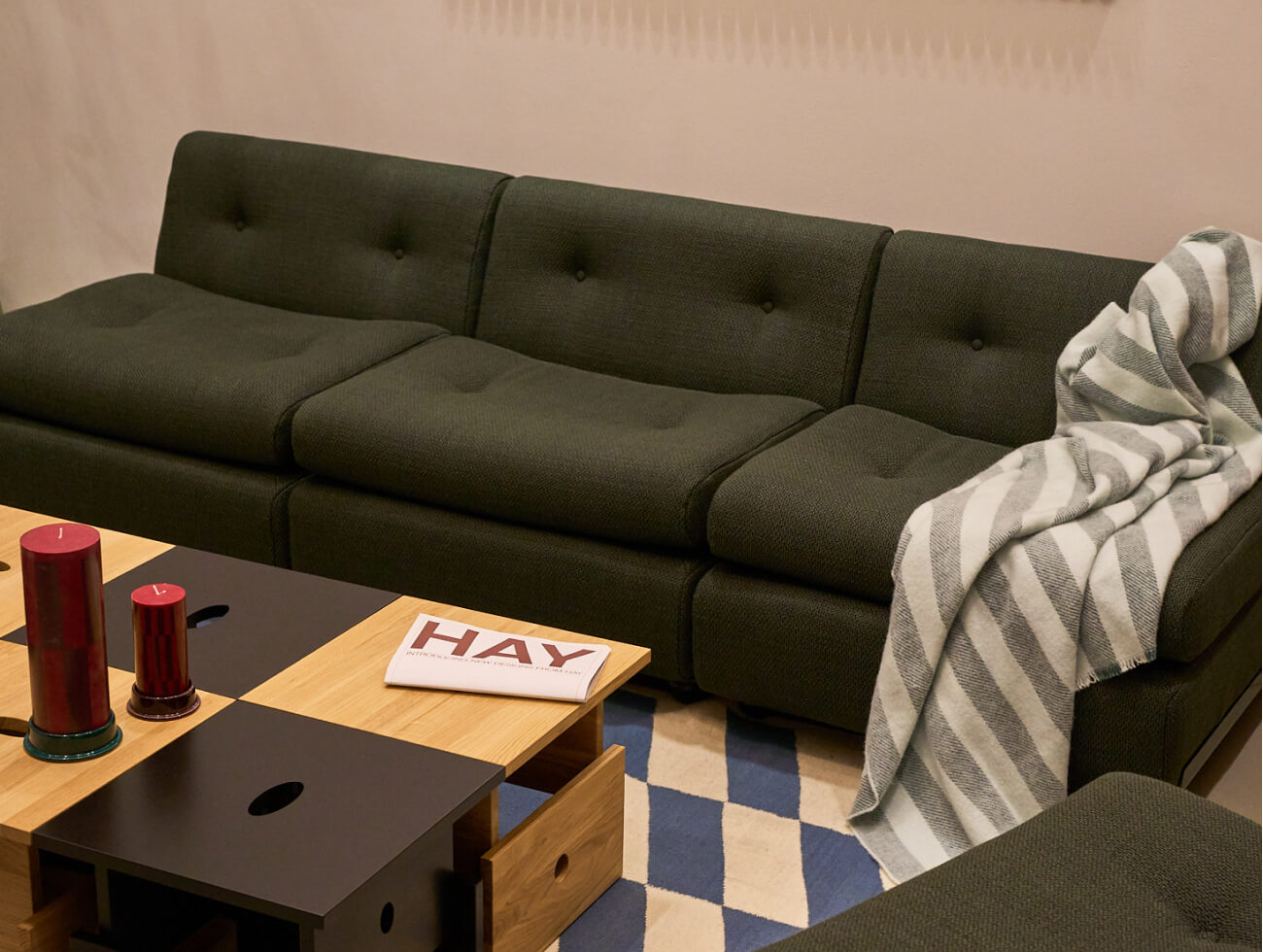
Some designs do more than furnish a room. They influence how people sit, gather, and relate to one another—quietly reshaping daily life. Mario Bellini’s Amanta sofa is one of those rare objects. When it first appeared in 1966, it proposed a new idea of domestic space, aligned with a changing social landscape and a more informal, collective way of living.
Nearly sixty years later, Amanta returns through a reissue by HAY. Rather than a nostalgic revival, the project reads as a contemporary design statement—one that reconnects past experimentation with present-day sensibilities.
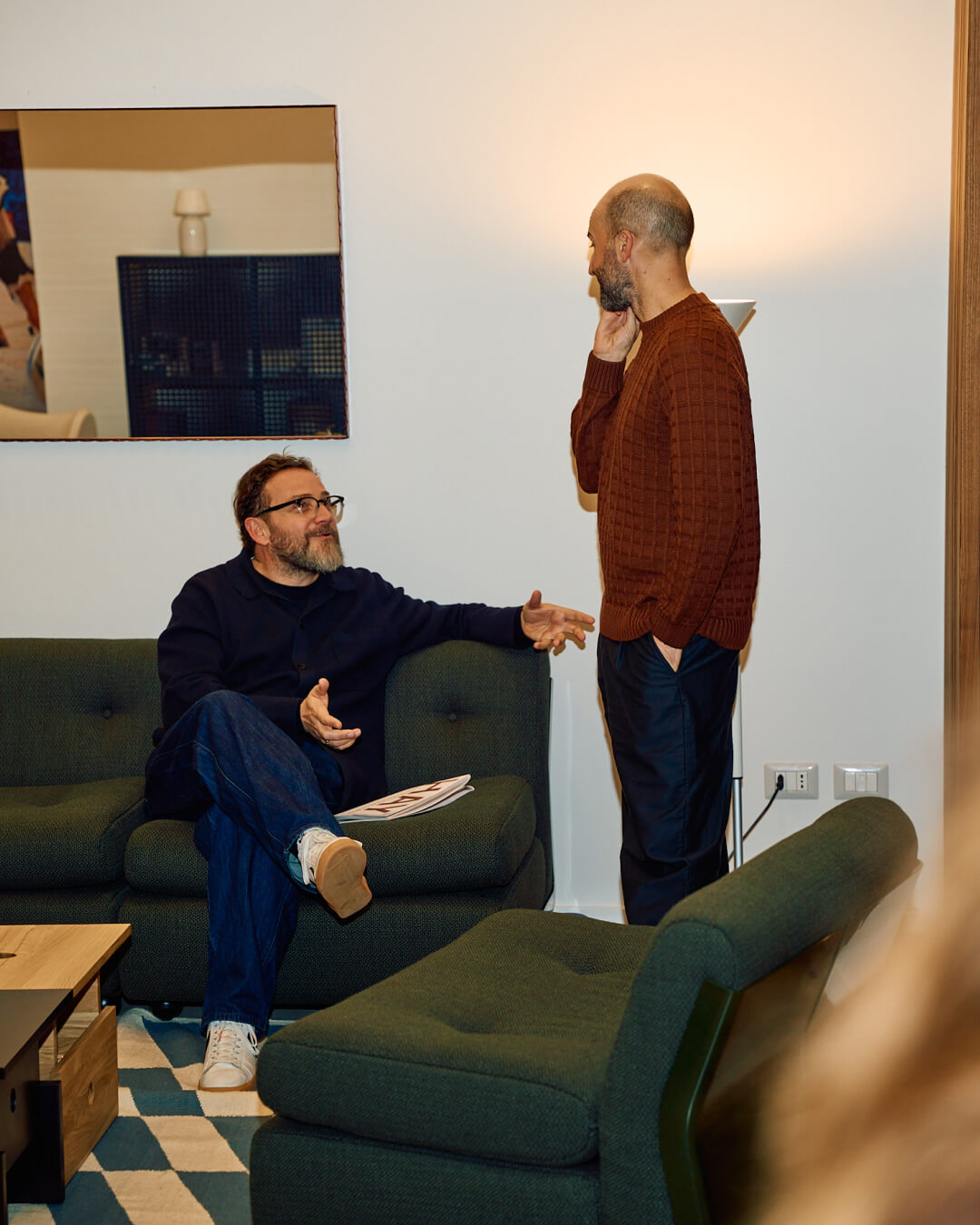
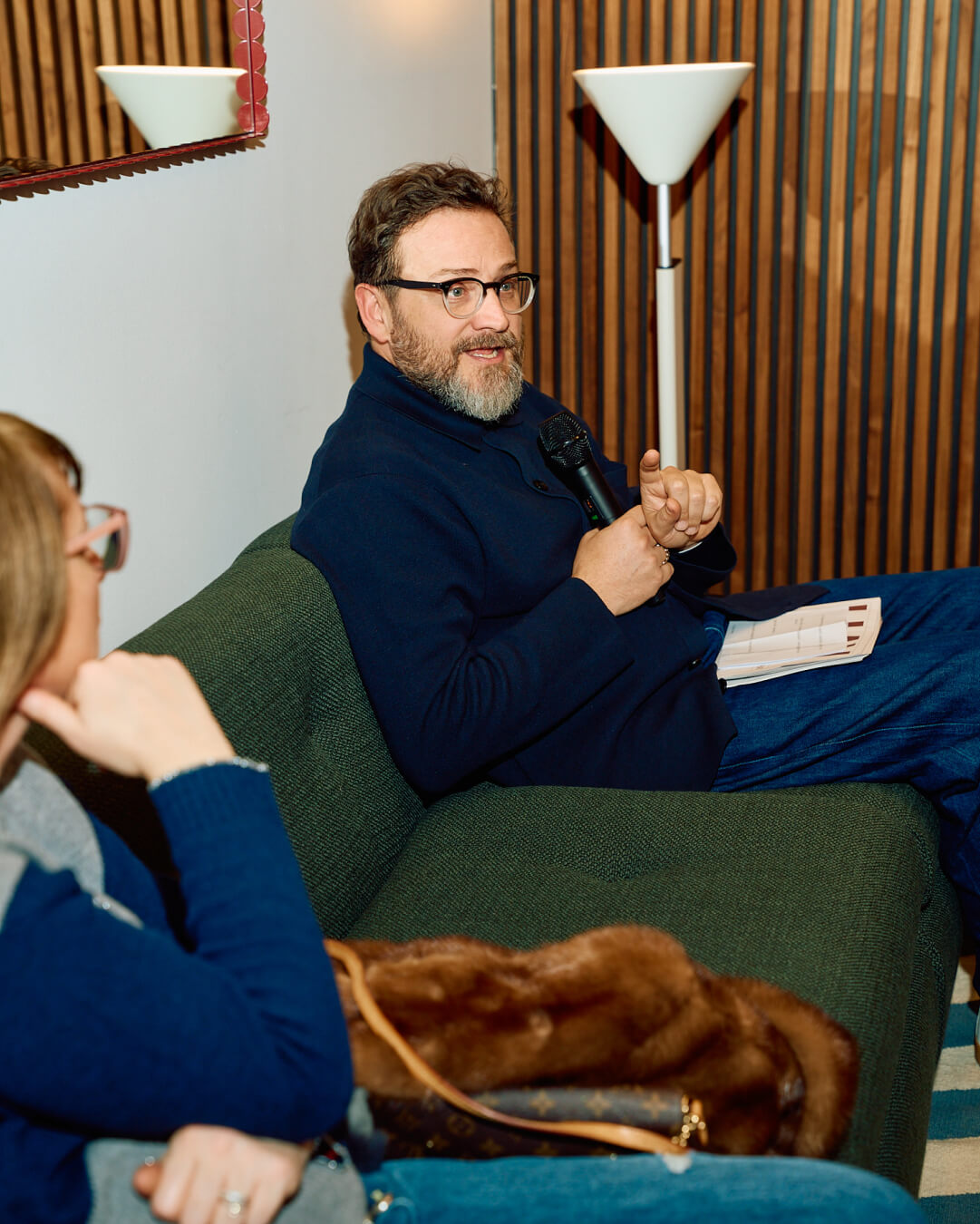
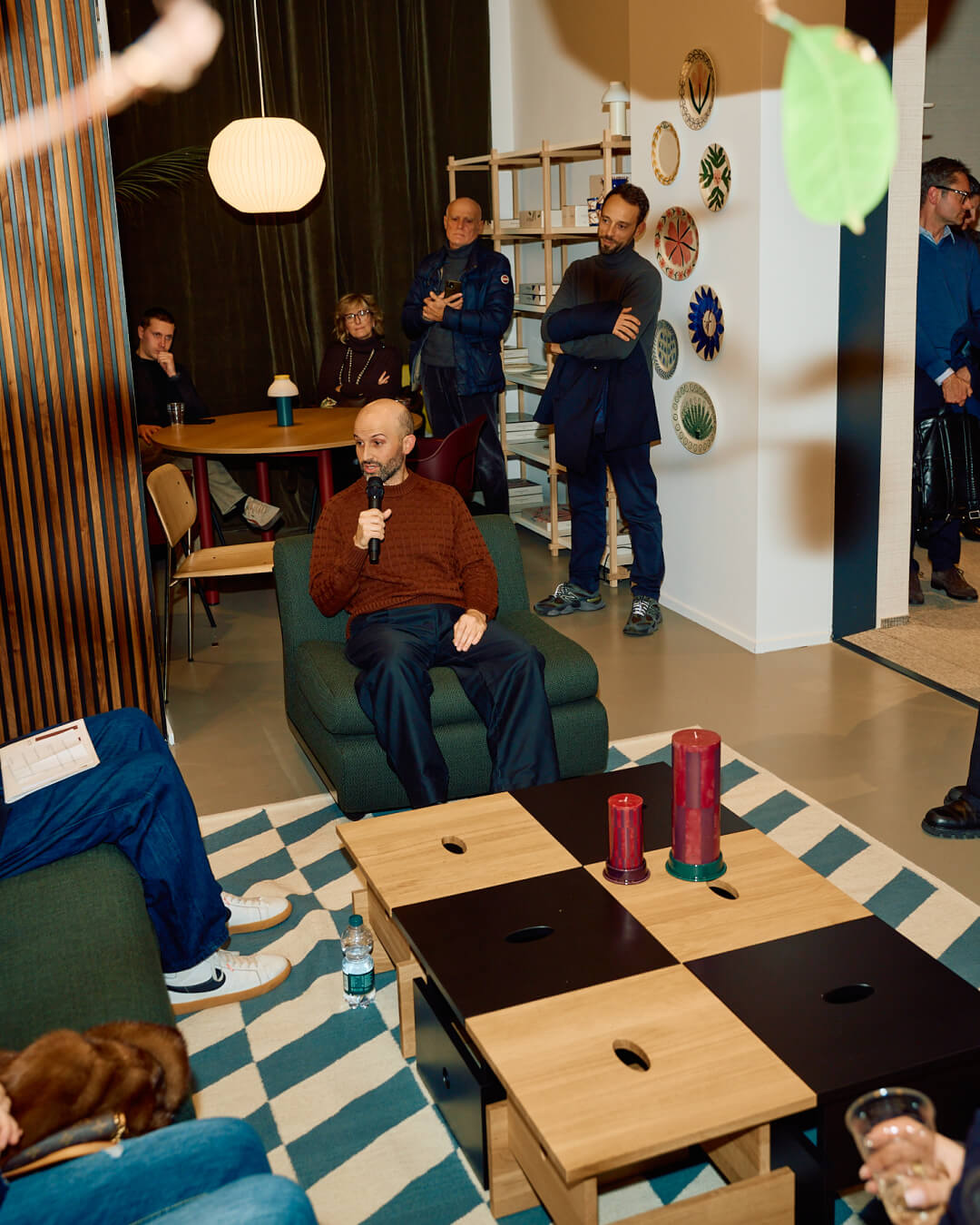
Mohd marked the occasion with an event at its Via Turati showroom in Milan, concluding a wider cultural programme dedicated to Danish design and its dialogue between heritage and innovation. The evening brought together Marco Sammicheli—Curator for Design, Fashion and Craft at Triennale Milano and Director of the Italian Design Museum—and Rui Pereira, Head of Furniture Design at HAY, in a conversation moderated by Gianluca Mollura, Founder & CEO of Mohd. Their discussion traced Amanta’s historical significance while underlining its continued relevance in today’s interiors.
Amanta was conceived at a moment of profound transformation. In 1960s Italy, design was becoming a tool for social experimentation, responding to new lifestyles, shifting domestic rituals, and a growing desire for flexibility within the home.
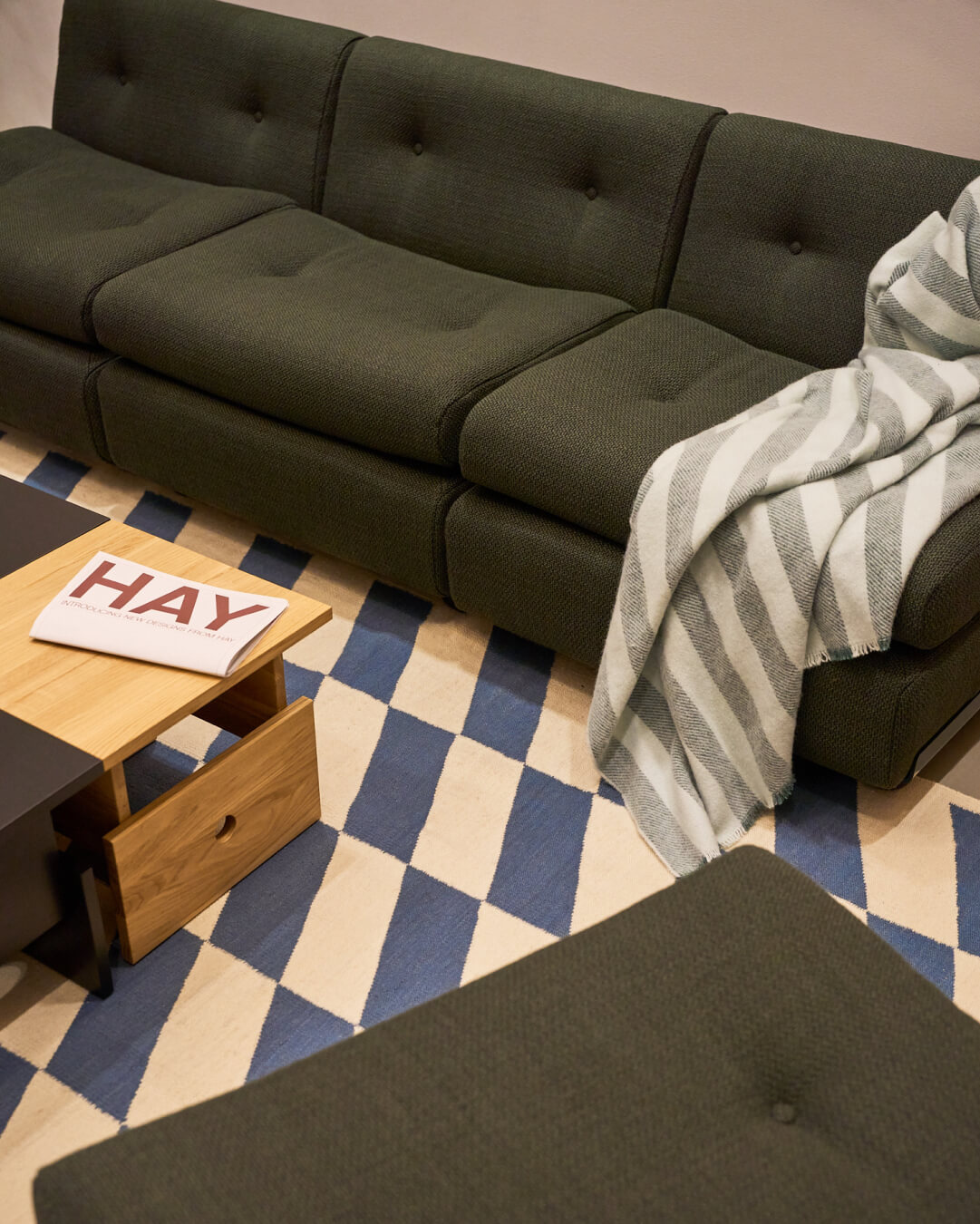
Mario Bellini’s proposal challenged the established model of the sofa. With its low profile, modular structure, and cushions seemingly suspended within a continuous shell, Amanta rejected the rigid, frontal logic of traditional seating. It was conceived as an open system—informal, adaptable, and shared. More than a reflection of its time, it helped define it, translating cultural change into a bold and tangible form.
Bellini’s architectural training informs a design practice rooted in the body, movement, and everyday use. Amanta makes this philosophy explicit.
References to the structural clarity of Mies van der Rohe’s Barcelona Chair coexist here with a softer, more integrated vision of comfort—one that downplays exposed frameworks in favor of continuity and ease. International modernism meets an unmistakably Italian attention to everyday life, gestures, and social interaction.
The result is a sofa that balances architectural discipline with ergonomics, visual clarity with social intent. It is designed to evolve with its users, accommodating different configurations and ways of living without ever settling into a single, fixed form.
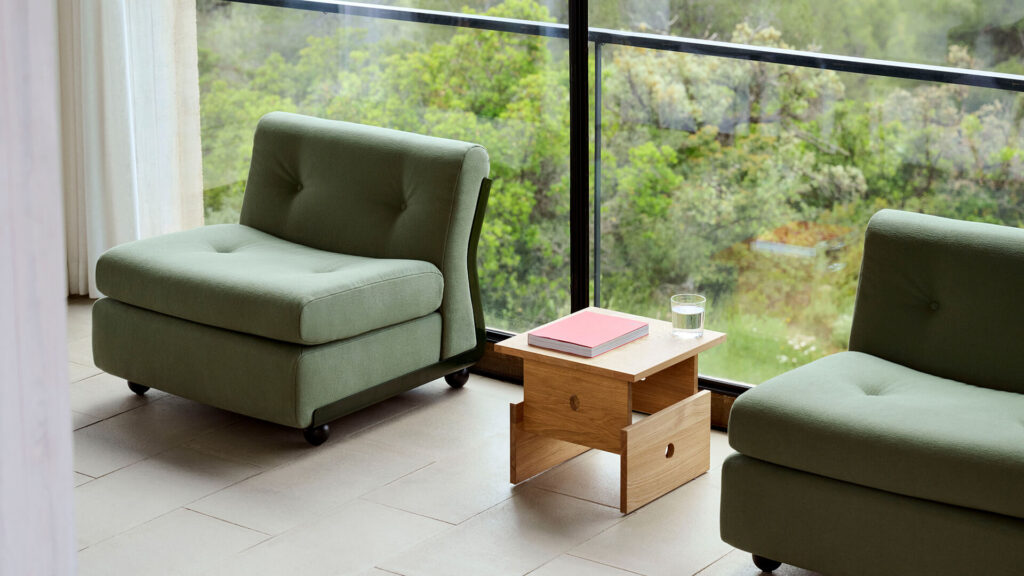
In reissuing Amanta, HAY has taken a measured approach, retaining the essence of Bellini’s original design while updating its construction to meet contemporary standards.
The shell, once made of fiberglass, is now produced using 99% post-consumer recycled ABS. The cushions incorporate 94% bio-balanced foam. The sofa is fully disassemblable, supporting maintenance, longevity, and responsible production. A renewed palette for the shell and an expanded range of fabric and leather upholsteries further enhance its versatility.For HAY, Amanta also marks a significant milestone: it is the brand’s first reissue of an Italian design. As co-founder Rolf Hay has noted, Italian design from this period played a crucial role in shaping the European design landscape, redefining the relationship between industry, craftsmanship, and cultural vision.