

Discover our e-shop and access a digital catalogue of over 40.000 design products.
Go to shopSpring Days | Use the coupon code SPRING15 to get 15% off on purchases starting at 480€ and SPRING20 to get 20% off on purchases starting at 4800€
Discover our e-shop and access a digital catalogue of over 40.000 design products.
Go to shop27 March 2026
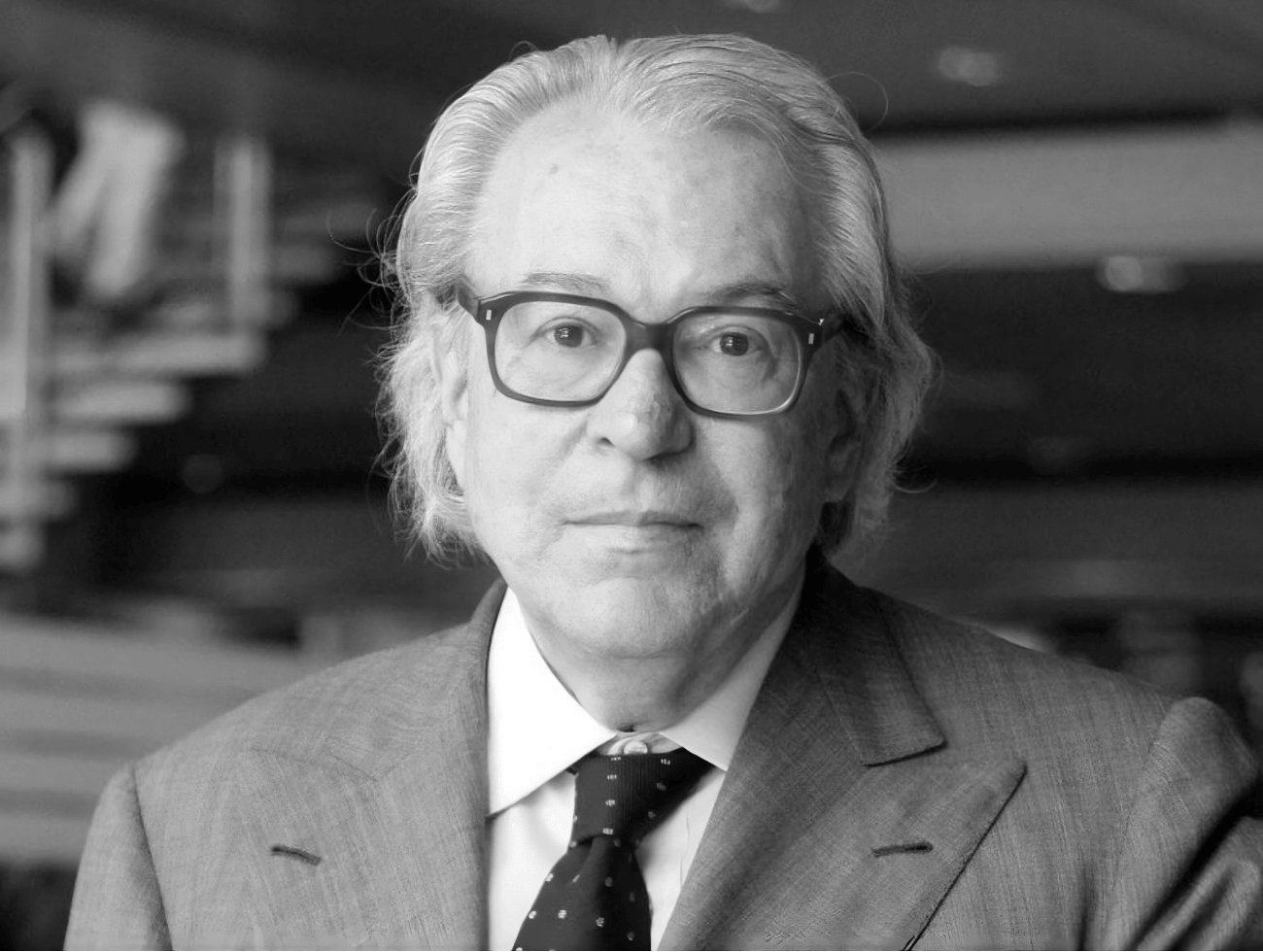
Brionvega and the legacy of Ennio Brion: Doney, Algol, Radio.cubo and RR126 reveal how technology becomes form, presence and culture within contemporary living spaces.
The passing of Ennio Brion brings back into focus not only a remarkable chapter in Italian industrial history, but a moment when technology entered the domestic space as a recognisable presence, capable of shaping language and identity. A theme that, in today’s quiet evolution of devices, regains a renewed urgency.
Brionvega belongs to a lineage of companies that do more than produce innovative objects: they redefine how modernity takes shape within the home. Under Brion’s direction, from 1968 to 1992, radios and televisions ceased to be devices to conceal and became elements to display, to choose, to inhabit as integral parts of the environment.
It is in this shift that the brand’s specificity emerges: not in making technology more appealing, but in interpreting its role, granting it a public presence.
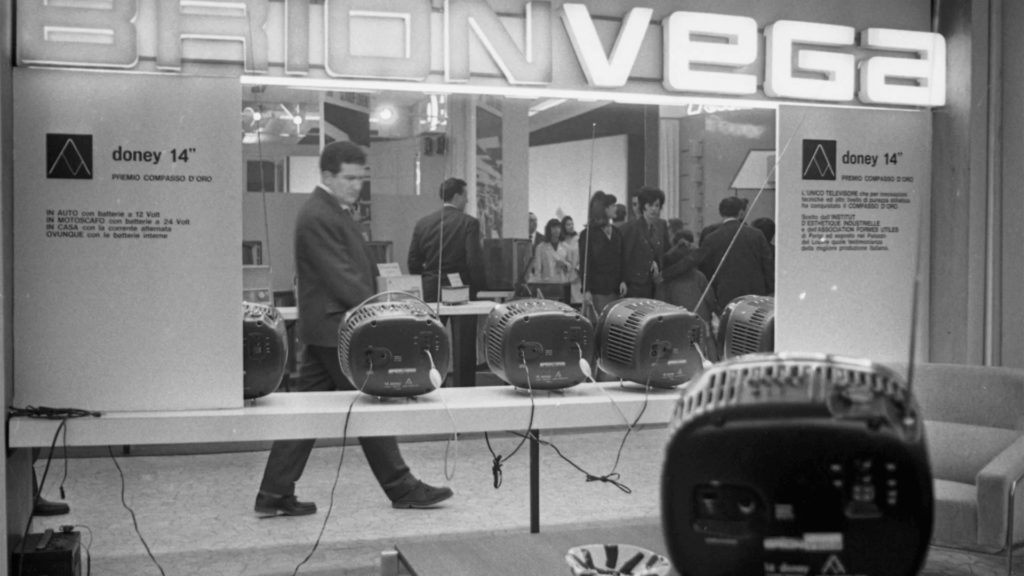
The portable television Doney marks a founding moment in this trajectory, awarded the Compasso d’Oro in 1963 and now part of MoMA’s collection. With Algol, designed by Marco Zanuso and Richard Sapper, the traditional frontality of the television gives way to a tilted form that redefines the relationship between object and space.
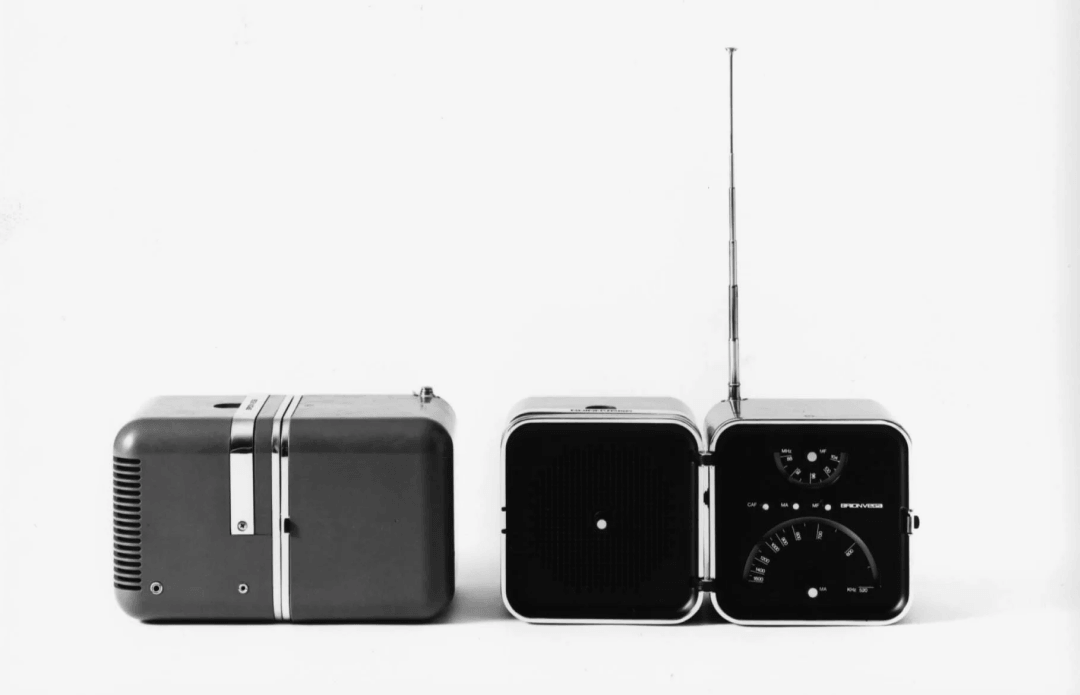
Alongside it, TS502 Radio.cubo stands as an immediate synthesis of technical precision and formal intuition, while the RR126 radio-phonograph by Achille and Pier Giacomo Castiglioni moves the discourse further, transforming the audio device into a system capable of organising the environment itself.
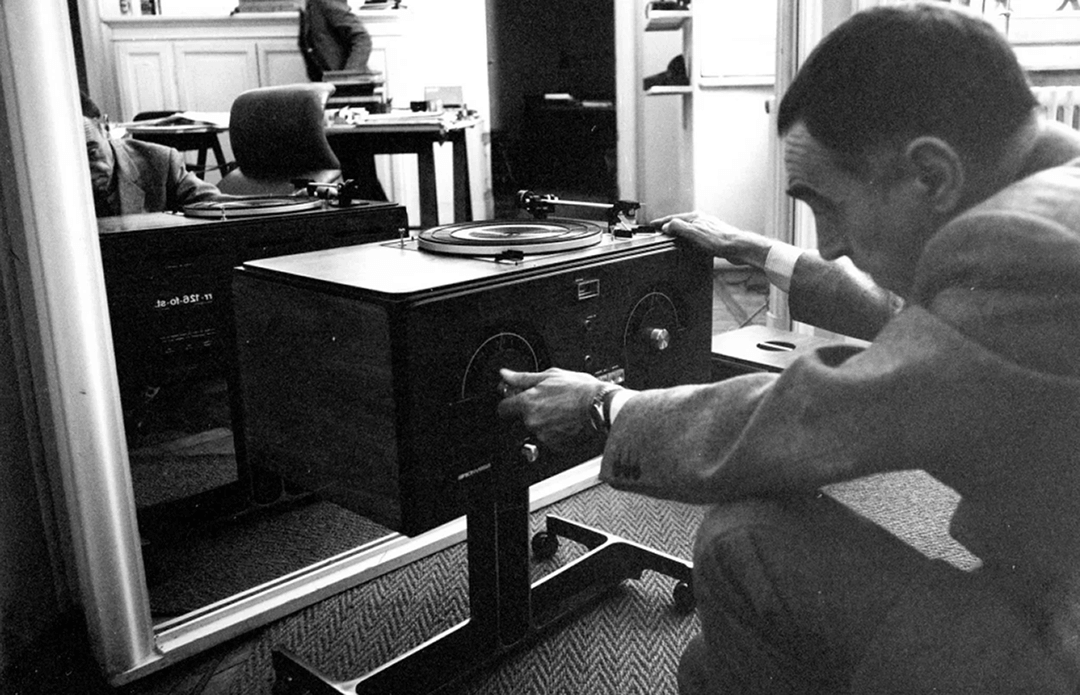
Credits: F. Biganzoli
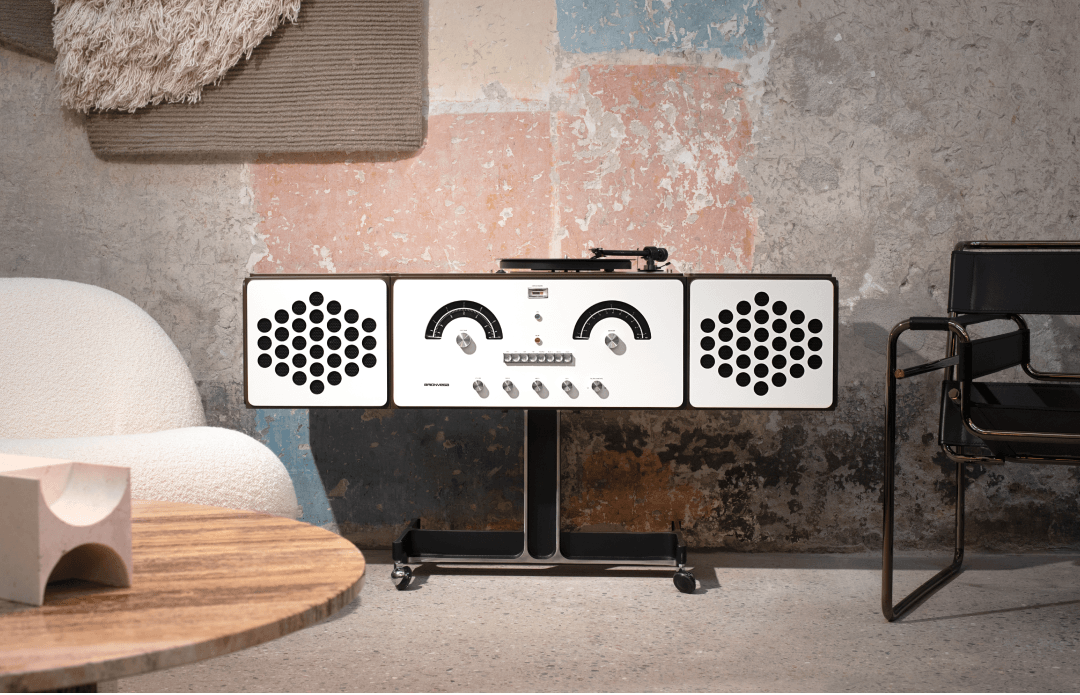
What stands out today is the continuity of this vision. The same objects that inhabit museum collections are not confined to history; they continue to be produced, chosen, lived with. A rare condition: icons that do not merely represent the past of design, but persist as active presences within the contemporary domestic landscape.
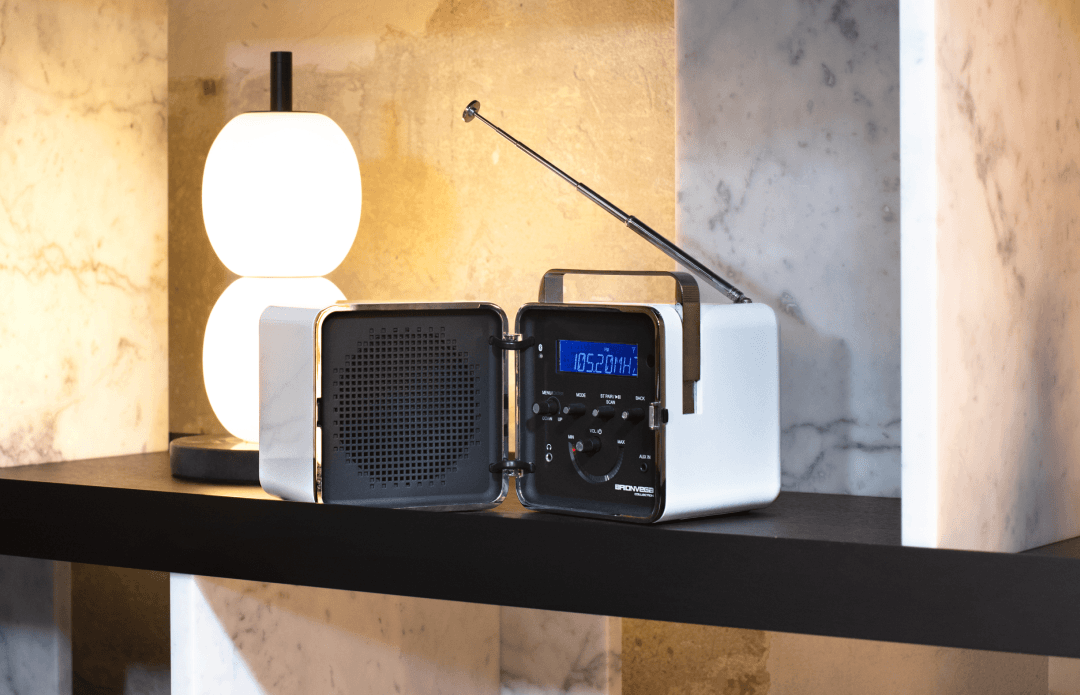
Ennio Brion’s merit also lies in having fostered a corporate culture able to trust designers, from Zanuso and Sapper to the Castiglioni brothers, Bellini and Sottsass, without reducing design to decoration, but recognising it as a cultural structure before a product.
In a present where technology increasingly tends toward invisibility, Brionvega reminds us that it can still be form and presence, not just function. Innovation is not only performance, but the ability to take a position within space and within the domestic imagination, even in the age of digital design.