

Discover our e-shop and access a digital catalogue of over 40.000 design products.
Go to shopSpring Days | Use the coupon code SPRING15 to get 15% off on purchases starting at 480€ and SPRING20 to get 20% off on purchases starting at 4800€
Discover our e-shop and access a digital catalogue of over 40.000 design products.
Go to shop20 March 2026
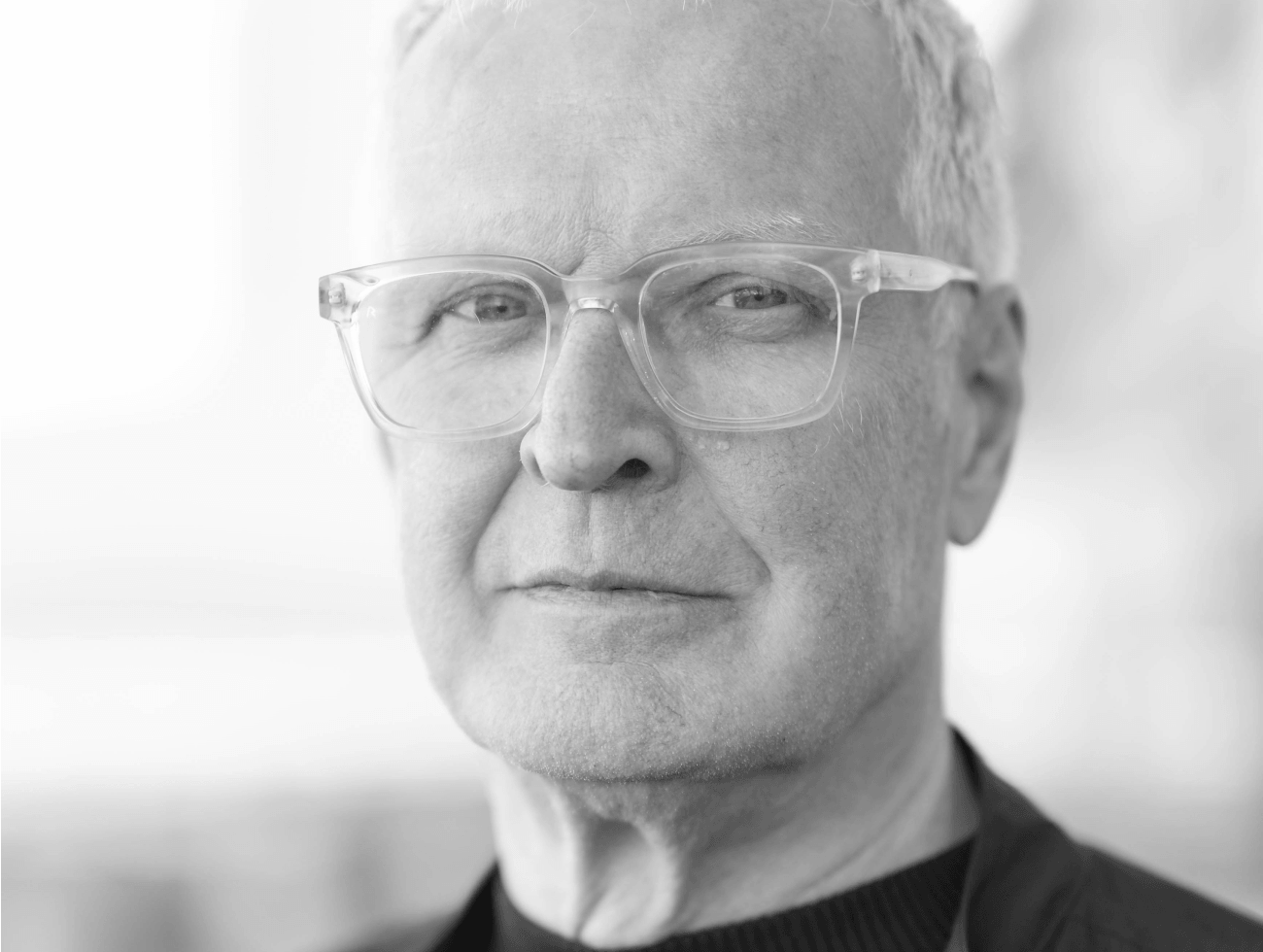
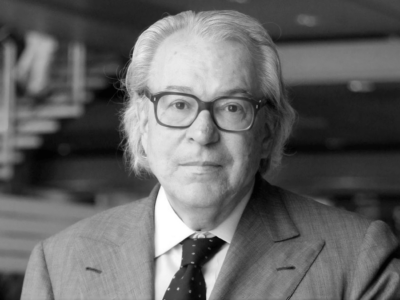
An interview with Christian Werner on design as a coherent, emotional, and unprominent practice, combining method, vision, and brand dialogue.
Consistency, moderation, and emotional sensitivity are the cornerstones of Christian Werner‘s work. The German designer retraces his formative journey, his decisive encounter with Dieter Rams, and a vision of design that rejects prominence in favor of silent design, designed to last. Werner describes an approach based on continuity rather than disruption, in which technique and emotion find a natural balance. This philosophy also clearly emerges in his long-term collaborations with companies such as Ligne Roset, Thonet, and Duravit, all united by a profound attention to quality, design gestures, and human relationships.
When did you realize that design would be your path?
My first real encounter with design dates back to 1974. I was fourteen and read an article about a designer in a German magazine. I’d never even heard that word before, but I was completely captivated. In those pages, I saw for the first time a profession capable of combining my technical interests with a more artistic and intuitive dimension. At school, I was a dreamer; I drew more than I wrote, and at that moment, I realized that was exactly where I belonged.
How did your education unfold?
After school, I enrolled at the art university in West Berlin, where I was born and raised. Later, I felt the need to leave the city—also for symbolic reasons, as the Wall was still standing—and moved to Hamburg, where I continued my studies. There, I had the opportunity to meet Dieter Rams, who was my professor in my final years, up until my final exams.
What kind of teaching did Dieter Rams leave you?
Rams embodied a very clear approach to design, an ethic that I believe has been partially lost today. He taught me that designers must stay a step behind their objects, not take center stage. At the time, influencers didn’t exist, nor did the idea of a designer as a public figure. What mattered was the project, not the person behind it.
Did you open your own studio right after university?
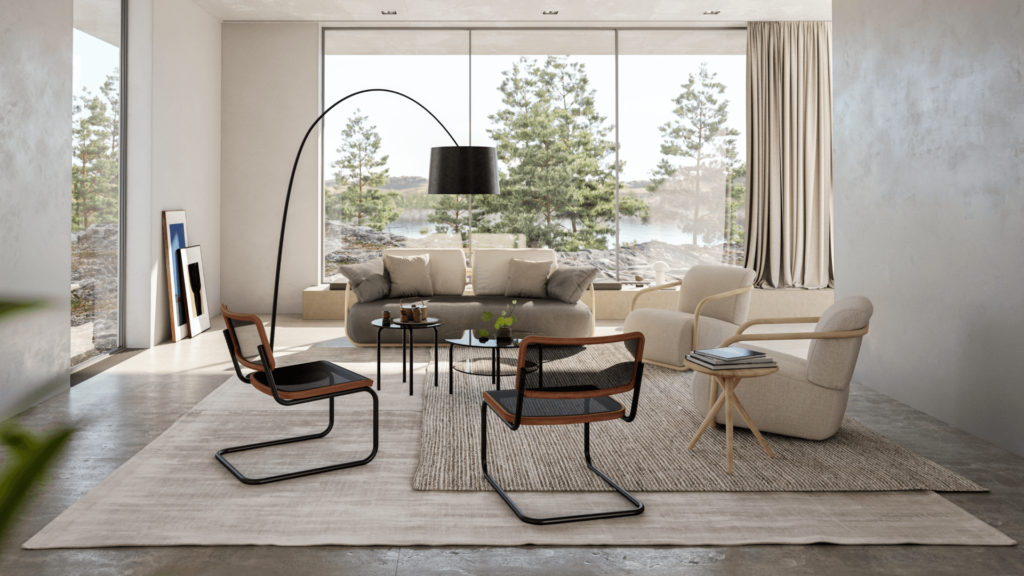
No, I didn’t feel like it. I worked for five years in a design studio because I wanted to truly understand what it meant to be a designer in practice: the relationship with clients, the market, production processes. These are all things that university can’t teach. It wasn’t until 1992 that I decided to open my own studio.
Looking back on your career today, how would you describe it?
I’d say continuous, consistent. It hasn’t always been easy, but I think I’ve remained true to my beliefs and my way of understanding design. There haven’t been any major revolutions in my work. Some might say it’s a “quiet” path, perhaps even boring, but I think consistency is a value. Over the years, I’ve seen many designers continually change direction, often just for the sake of it. I’ve never felt the need.
How important is sustainability in your approach to design today?
Sustainability is a fundamental topic, but I believe it needs to be addressed in a more profound and less superficial way. For me as a designer, sustainability isn’t just a question of materials, circularity, and recyclability; for me, it begins first and foremost with design. I tend to create my projects that are as long-lasting as possible, both formally and aesthetically. We don’t yet have real solutions to the issue of sustainability, but we’ve started on this journey, and for me, this is already an achievement, and I’m optimistic for the future.
One of your longest-lasting collaborations is with Ligne Roset. What makes this relationship special?
First of all, the people, and in particular Michel Roset (president of the holding company). There’s a very natural connection between us, even though we come from two different cultures, German and French, with a complex history behind them. Above all, Michel and I share a sense of humor, which is essential to truly understanding each other.
Do you remember a significant moment in this collaboration?
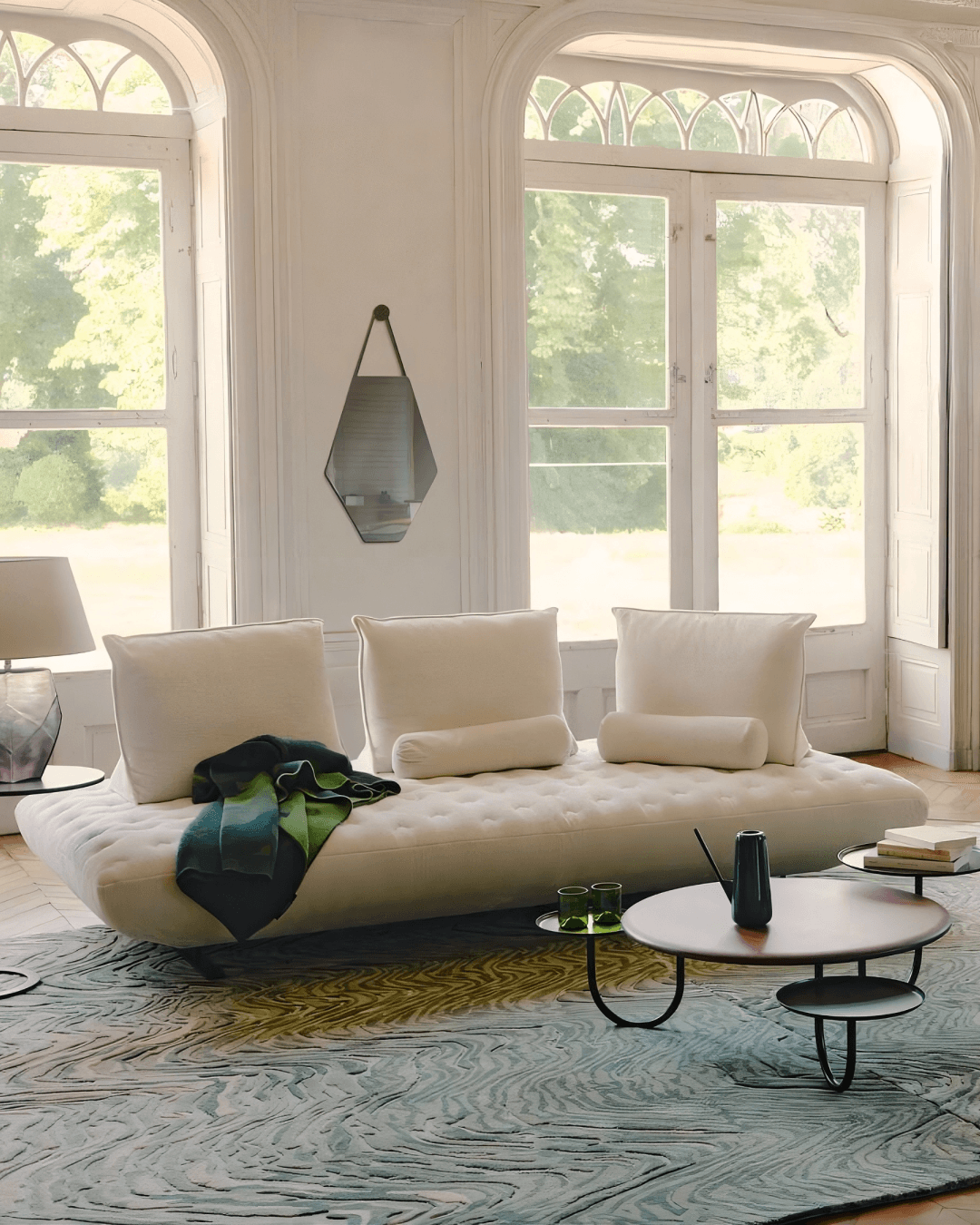
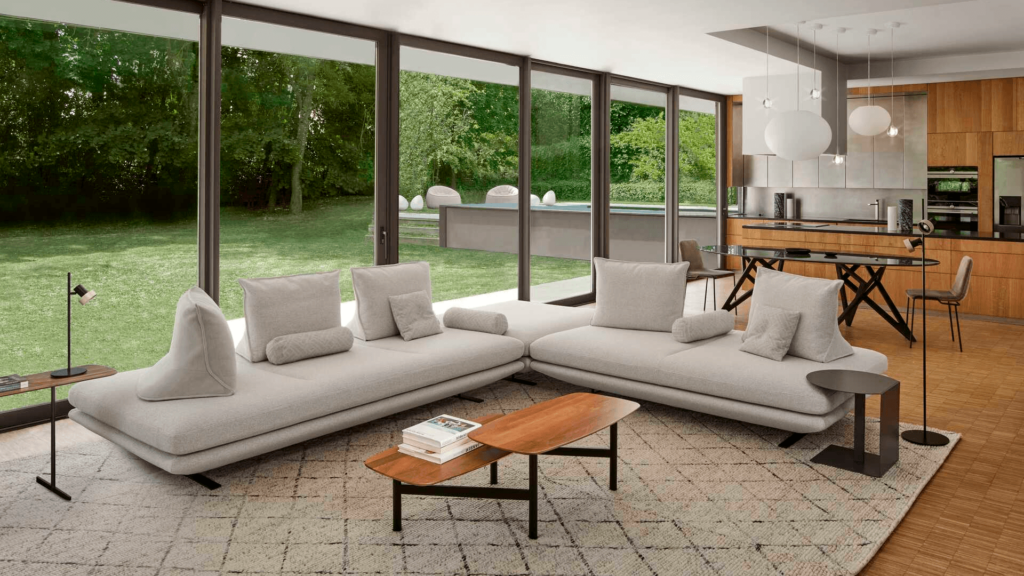
When I sent him the first images of the Prado sofa, he responded with a simple message: “Thank you for this very Roset design.” For me, it was a huge compliment, because it meant he had fully captured the spirit of the company.
What role does emotion play in your design process?
A central role. Michel Roset attributes a strong emotional value to design, perhaps more so than we Germans are accustomed to, often associated with a more technical and analytical approach. Of course, construction, design intelligence, and detail are crucial, but they’re not enough. Ultimately, we design for human beings, who are emotional and social creatures.
How does this human dimension enter into the objects you design?
Design must speak to our sensibilities, not just our rationality. It’s not about doing something decorative or superficial, but about creating objects that convey a sense of calm, familiarity, and connection. A good project doesn’t impose itself, it accompanies. And perhaps this, even today, is my deepest idea of design.