

Discover our e-shop and access a digital catalogue of over 40.000 design products.
Go to shopSpring Days | Use the coupon code SPRING15 to get 15% off on purchases starting at 480€ and SPRING20 to get 20% off on purchases starting at 4800€
Discover our e-shop and access a digital catalogue of over 40.000 design products.
Go to shop30 March 2026
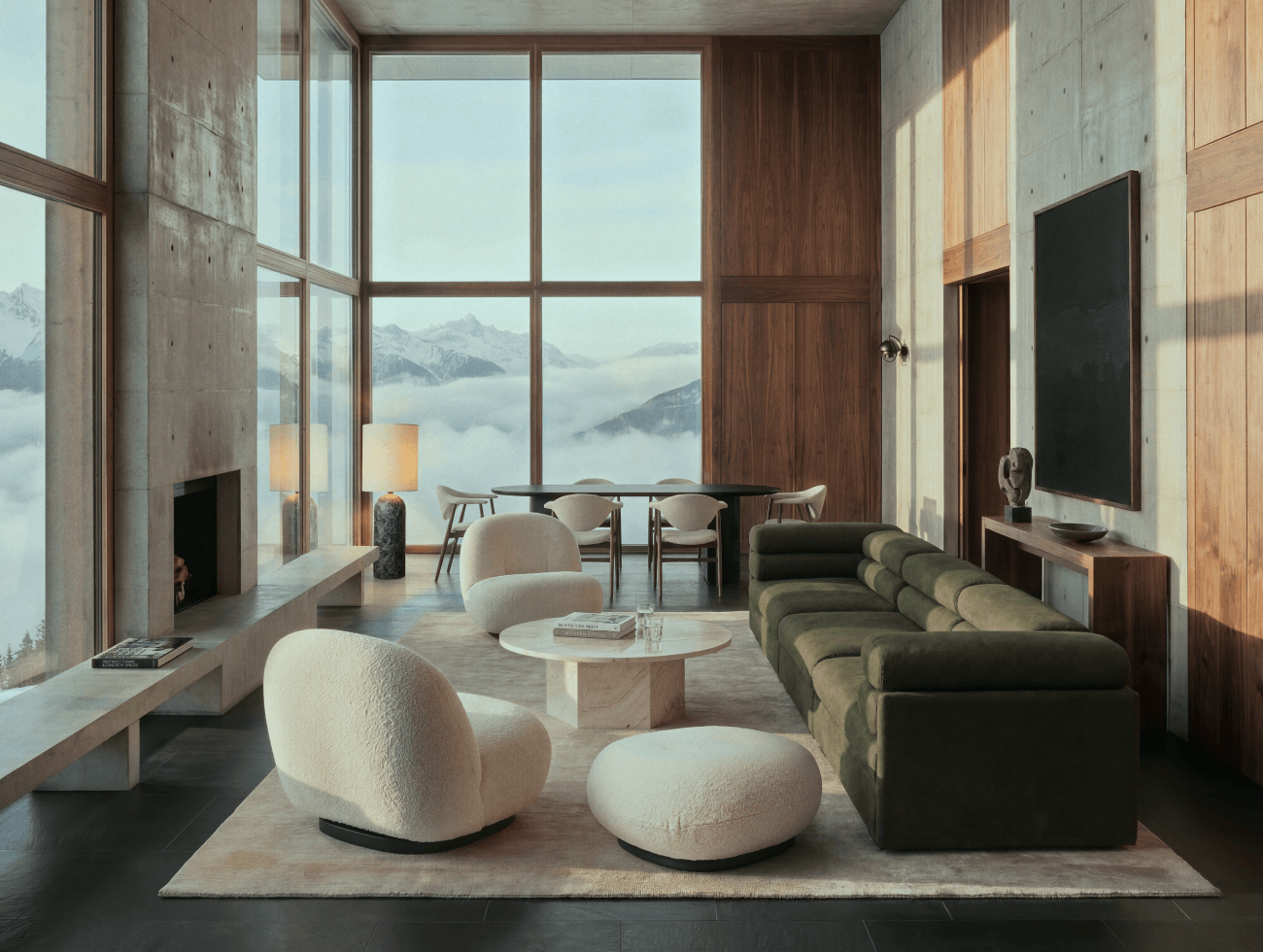
Between continuity, longevity, and process, design is redefining the meaning of luxury. A perspective toward Milano Design Week 2026 across brands and collections.
In recent years, time has become one of the most unstable resources of our present. It is not merely an individual perception, but a widespread condition that affects production, communication, and consumption alike. The speed at which we absorb images, objects, and narratives has generated a saturation that is not only economic, but perceptual. As Hartmut Rosa observes, we live in a state of permanent acceleration: everything multiplies, updates, replaces itself. Even desire struggles to settle.
“In a consumer society, no object can be allowed to last too long.”
— Zygmunt Bauman, Liquid Life (2005)
It is within this context that one of the most compelling trajectories is taking shape among established brands: a gradual redefinition of the relationship between luxury and time. Not a nostalgic return to tradition, but a shift in posture. A different understanding of value.
Looking toward Milano Design Week 2026, rather than an explosion of novelties, we can sense a growing inclination toward continuity. Less emphasis on surprise effects, less pressure for relentless launches, greater attention to longevity, coherence, and the permanence of collections. Value no longer coincides with the “latest piece,” but with an object’s ability to endure over the years without losing meaning.
This direction does not concern specific product categories, but rather a transversal approach to design. To slow down, in design, means to design for longevity: to conceive objects that do not rely on contingent aesthetics, but on calibrated proportions, solid materials, and construction solutions capable of withstanding time. It means building open systems that can evolve without being replaced, integrating into collections that grow through addition rather than rupture.
Design-related events themselves reflect this transformation. Alongside product launches, increasing space is devoted to talks, workshops, and installations that place process at the center: the time of manufacturing, the time of artisanal learning, the time of use and maintenance. This is not simply a curatorial choice, but the sign of a deeper need—to re-establish an education in the time of design.
“Without the durability of the world, there would be no human world at all.”
— Hannah Arendt, The Human Condition (1958)
We live in an age in which a space shuttle reaches Earth’s orbit in about eight and a half minutes—just over 500 seconds. We are accustomed to measuring progress through spectacular acceleration and records of speed. Inevitably, this logic shapes the way we perceive design: we expect immediacy, constant availability, rapid responses. And we forget that a sofa, a chair, a lamp are the result of months—sometimes years—of research, prototyping, and refinement. We have progressively compressed the spatial and temporal logic of making. Yet it is precisely here that an emerging direction opens up: reclaiming time as a material of design.
To slow down, in design, means restoring centrality to process. Devoting time to material experimentation, to the refinement of details, to the quality of finishes. Accepting that the coherence of a collection is built over the long term, that a brand’s identity is consolidated through continuity rather than discontinuity.

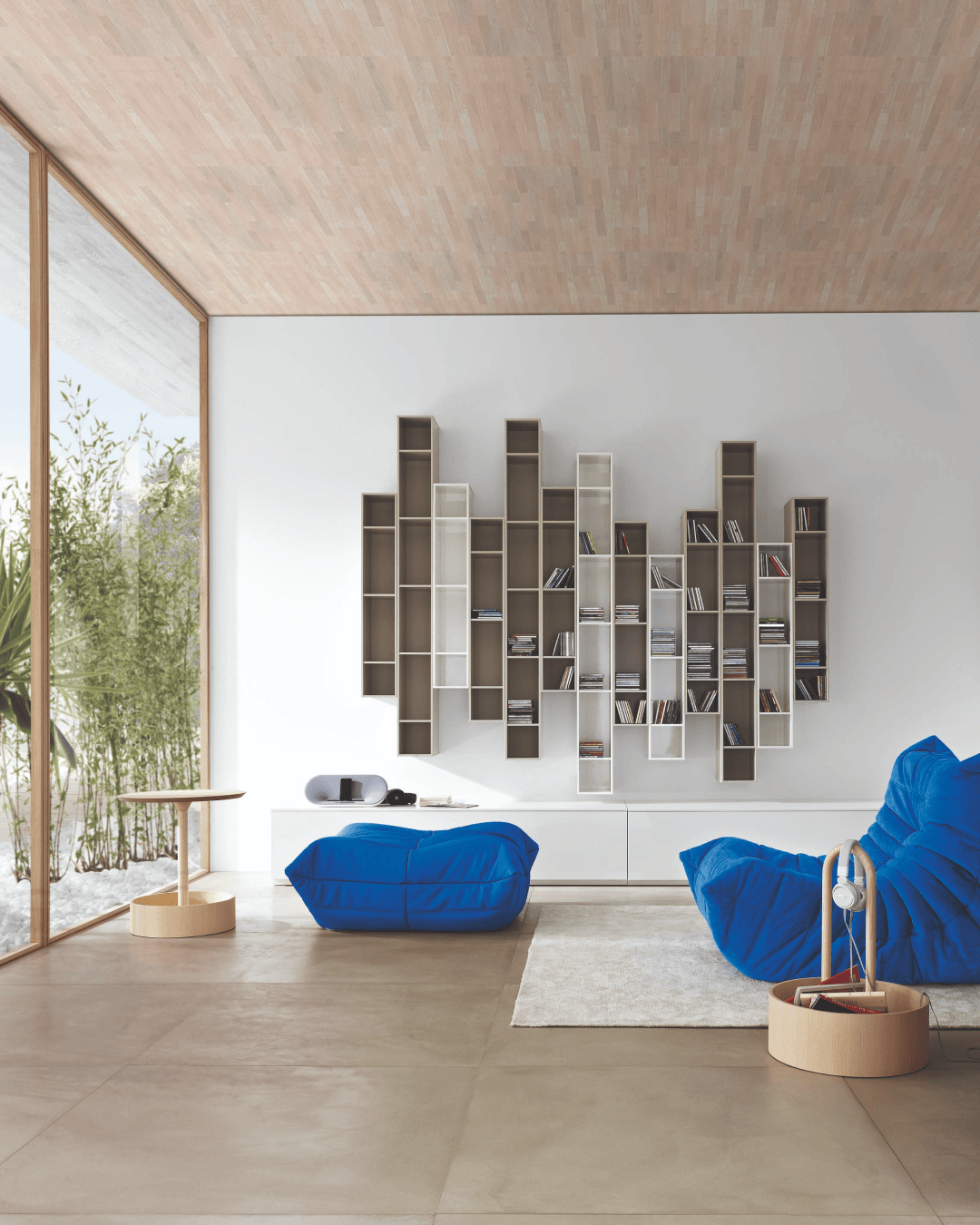
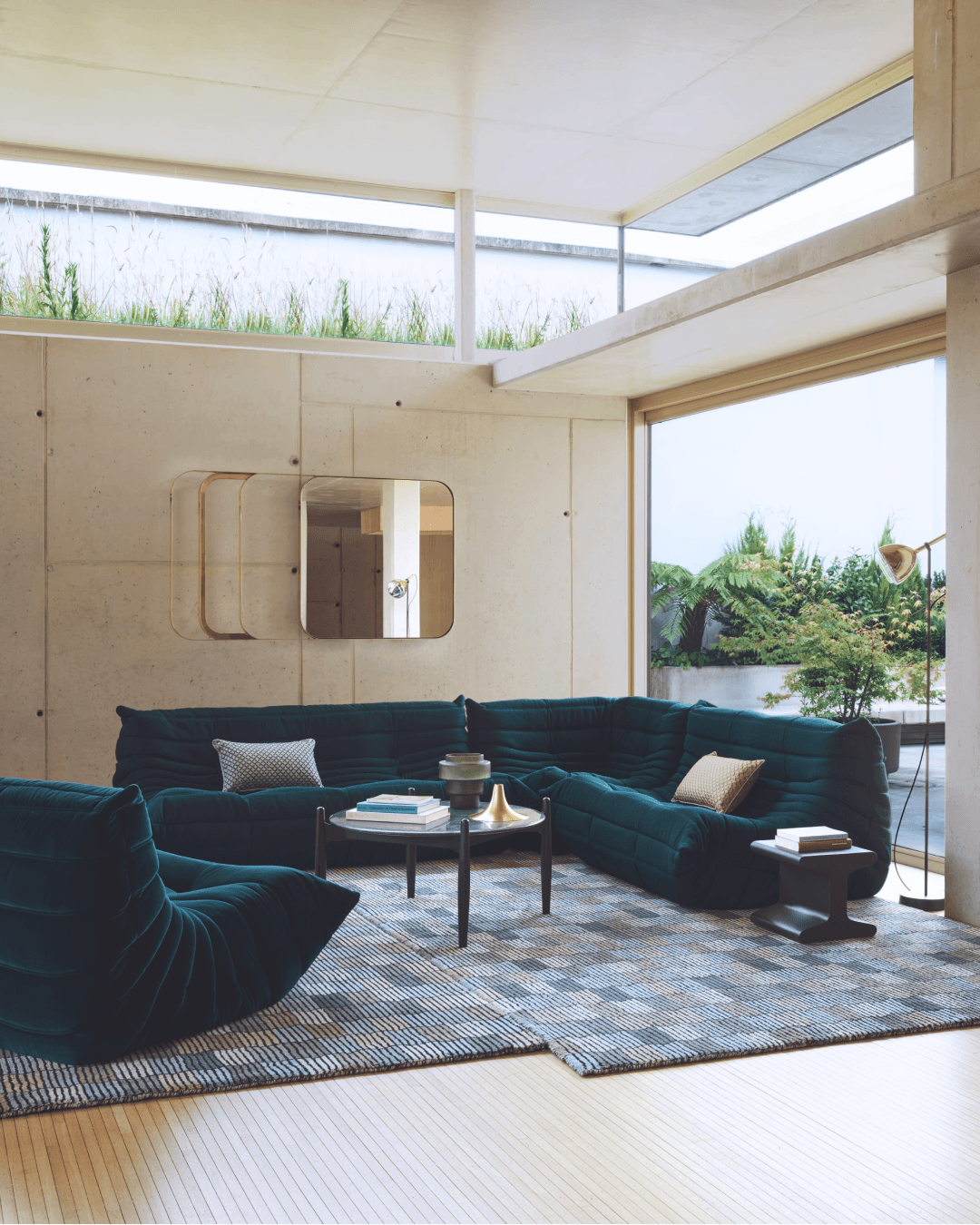
Ligne Roset offers perhaps one of the most emblematic examples. The Togo sofa, designed by Michel Ducaroy in 1973, has crossed decades without losing its cultural and commercial relevance. Its low, pleated silhouette remains unmistakable; its construction—entirely in foam, without a rigid frame—still feels radical. Yet what is most telling today is not only its longevity, but its renewed desirability. In a market accustomed to immediate gratification, Togo often requires up to 18 weeks of waiting time. The delay does not diminish its appeal; it reinforces it. The object is not consumed in haste—it is anticipated. Its continuity is not static repetition, but the steady reaffirmation of an identity capable of adapting fabrics, colors, and contexts without ever losing its essence.
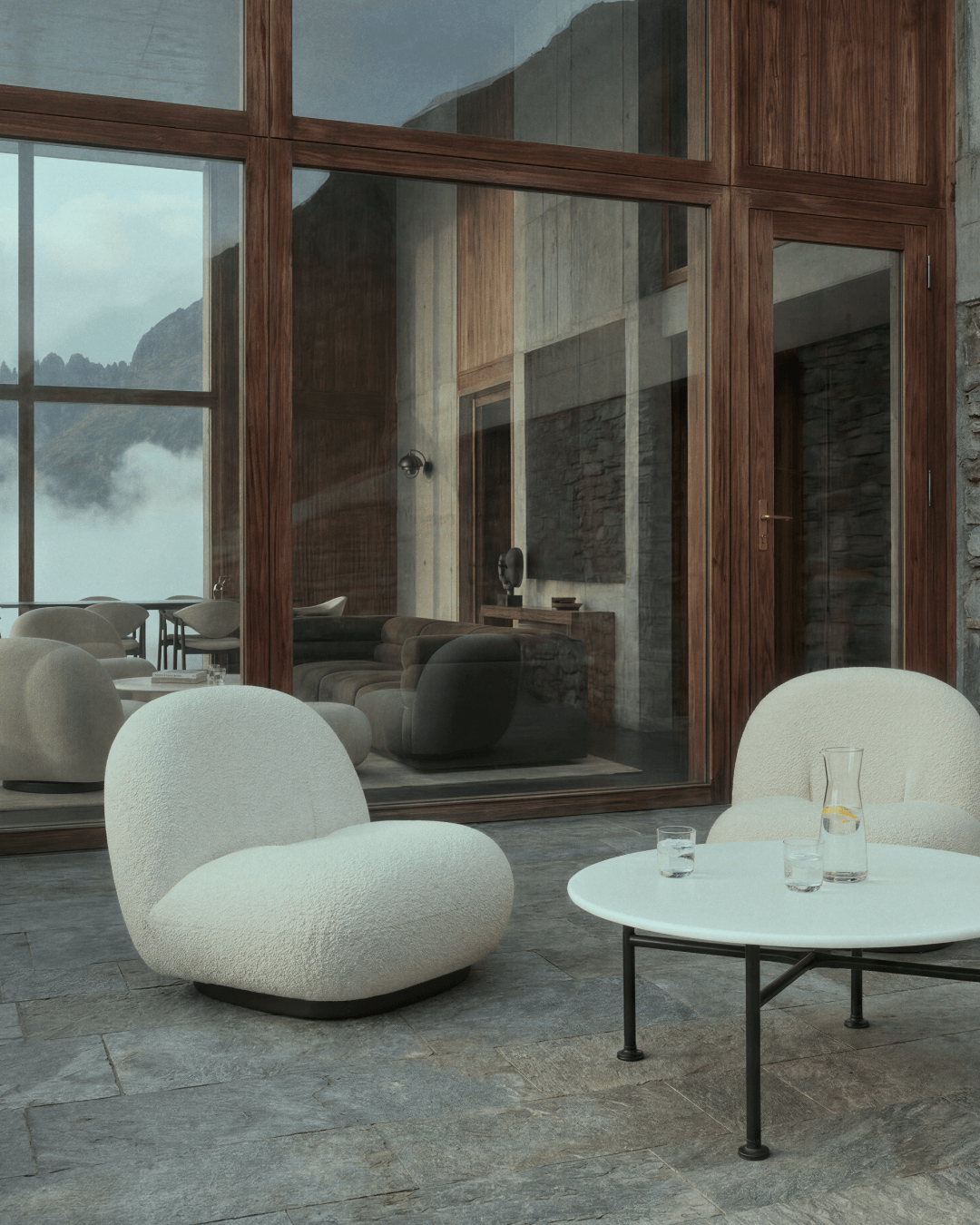
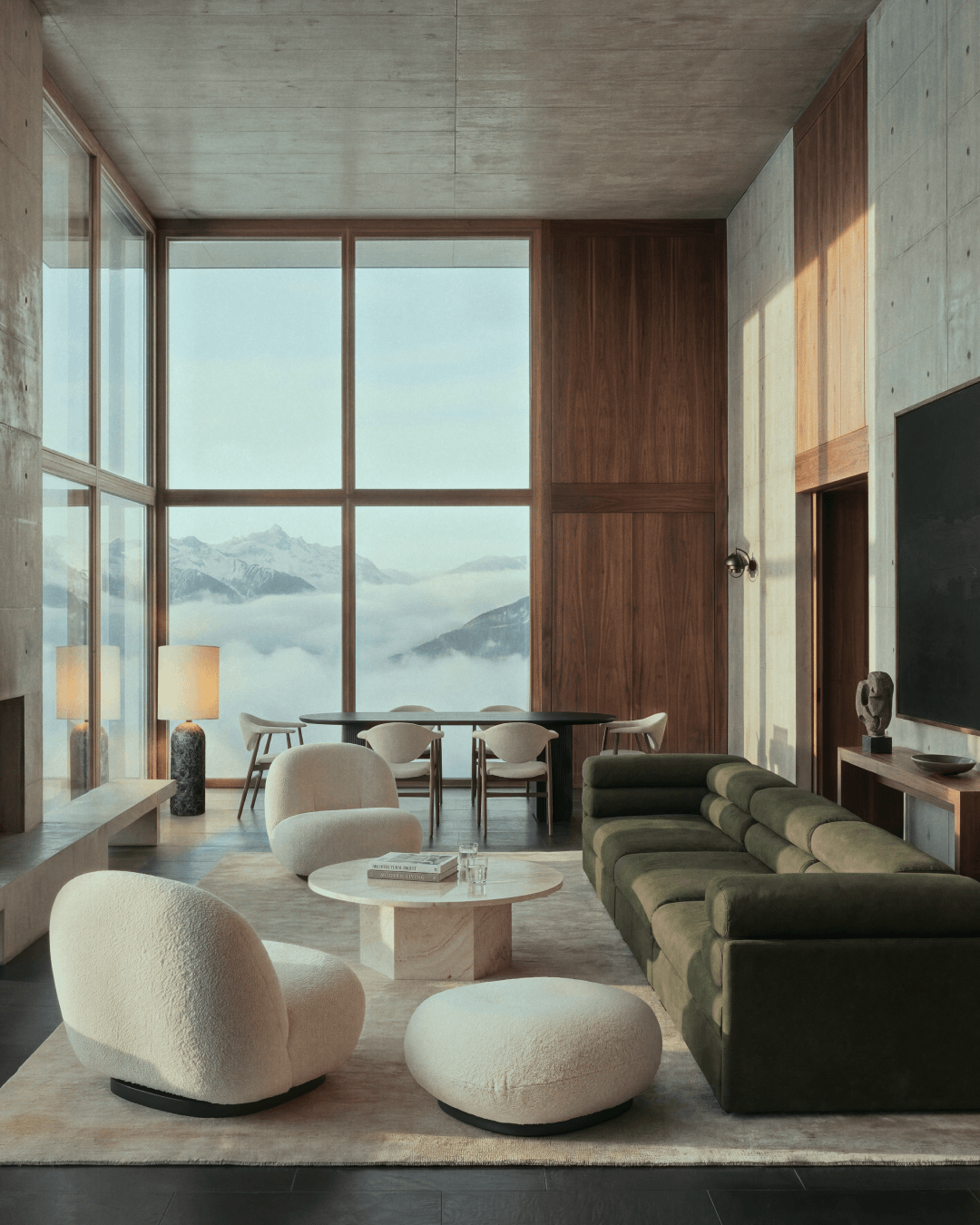
A different yet complementary approach can be seen in Gubi. Founded in 1967, the Danish brand has built its philosophy around a kind of curatorial continuity—what it defines as “treasure hunting.” By rediscovering and reissuing forgotten design icons while placing them alongside contemporary collaborations, Gubi creates collections that operate across time rather than within seasonal cycles.
Pieces such as Pierre Paulin’s Pacha Lounge Chair demonstrate how permanence can be dynamic: a 1970s design reintroduced with new materials and contexts, retaining its sculptural softness while speaking to contemporary interiors. The result is not nostalgia, but temporal layering—an editorial approach where past and present coexist, reinforcing the long-term coherence of the brand.
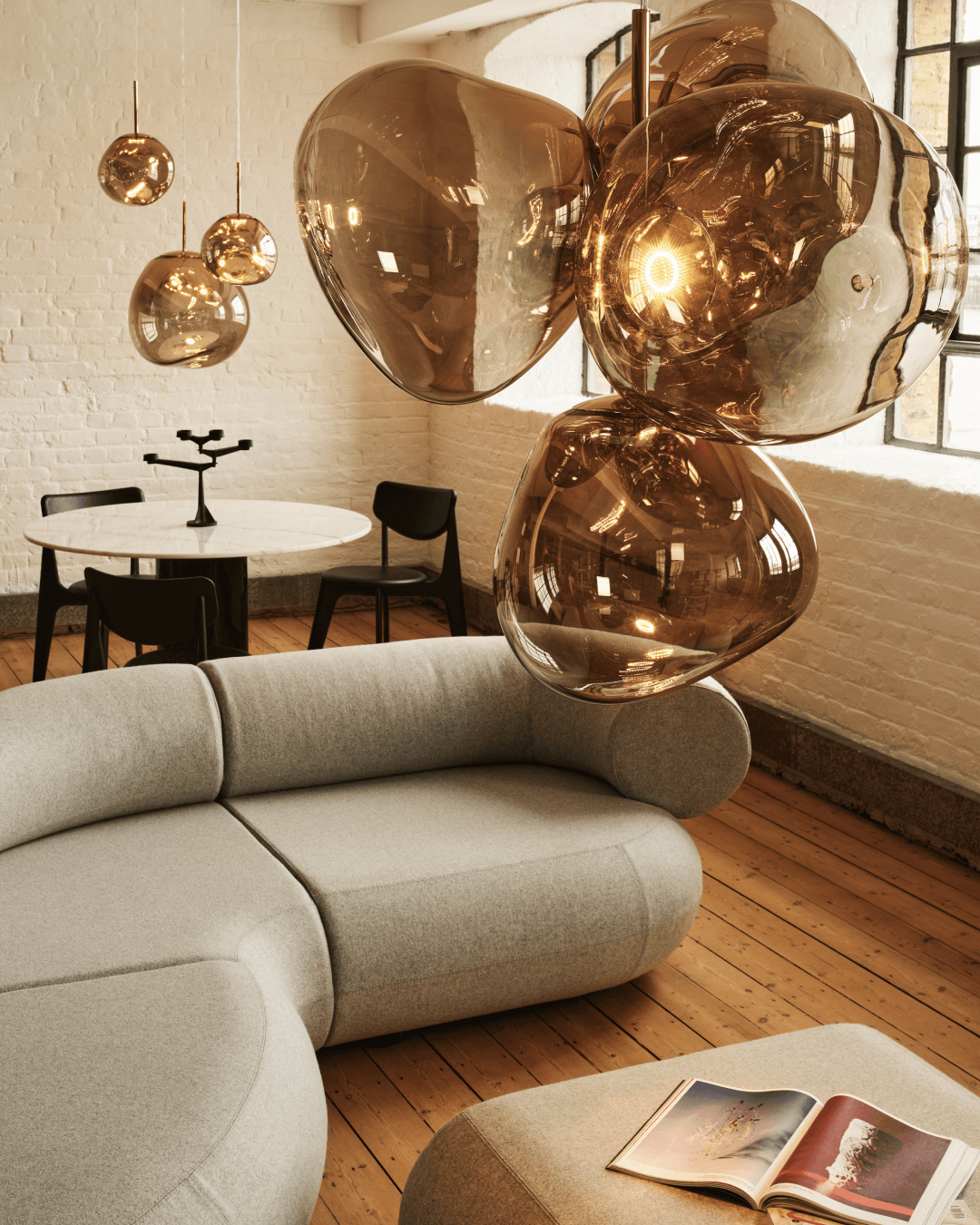
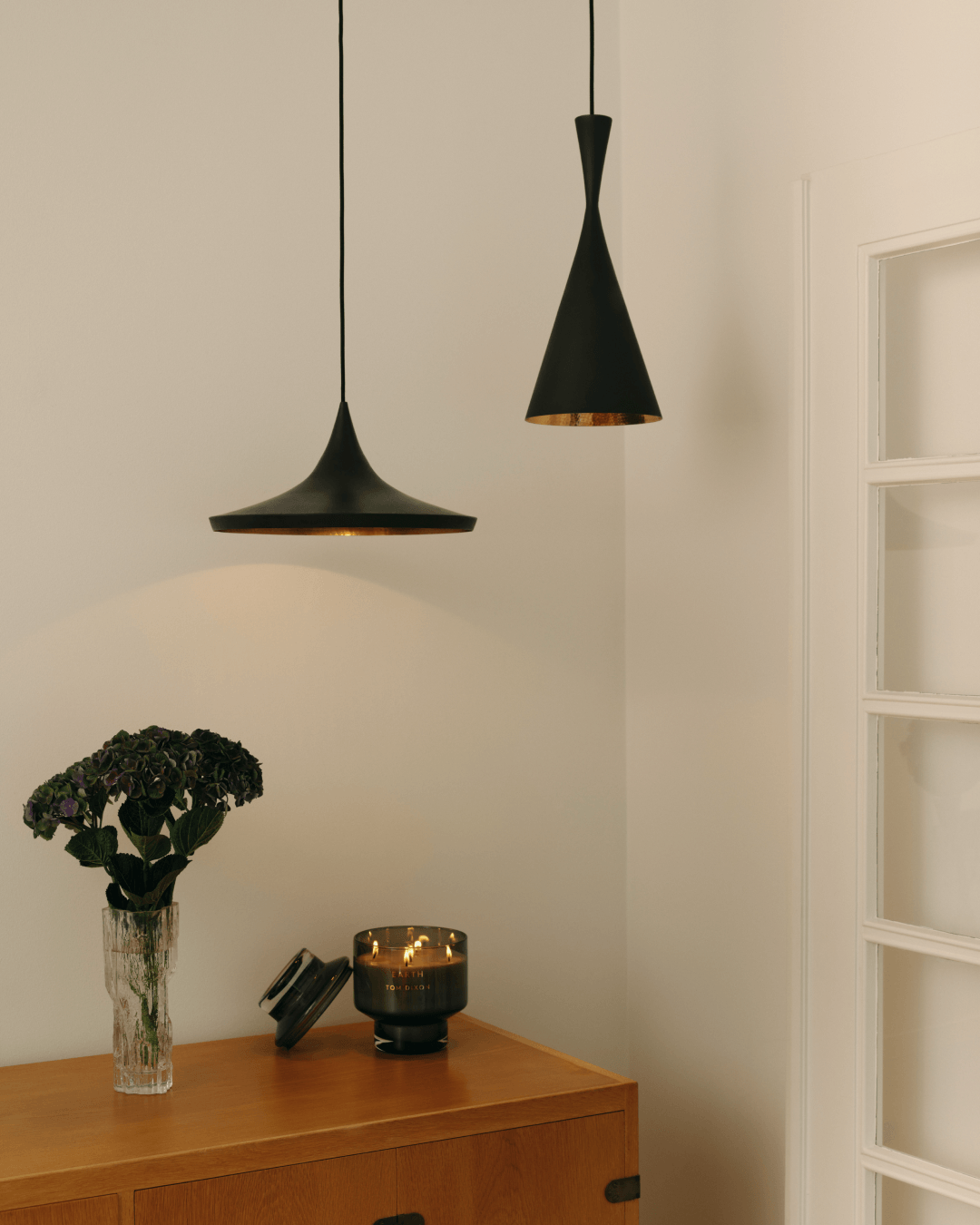
Another line of continuity is embodied by Tom Dixon. The British brand, founded in 2002, has a very distinctive visual language, which has evolved but never broken. This language is based on material research, metal finishes, and an industrial chic that is both elegant and refined. The brand’s identity has been shaped by its continuous research into materials and production methods, from the salvaged furniture characterized by metal welding in the 1980s to the ‘S’ Chair and lighting collections like Melt or Beat.
The coherence extends beyond products into spaces: from the Coal Office in London to The Manzoni in Milan, Design Research Studio translates the same aesthetic vocabulary into architecture and hospitality. Evolution occurs, but always within a framework that preserves recognizability. Continuity becomes a strategic asset.
Perhaps, then, the point is no longer to ask what will be unveiled at the next Design Week, nor how loudly it will capture attention, but what we are prepared to invest time in. In a culture trained to expect immediacy, choosing to wait becomes a conscious act. The real shift may lie here: in our willingness to recognize value not in what dazzles at first glance, but in what proves, over years, that it was designed to last.