

Discover our e-shop and access a digital catalogue of over 40.000 design products.
Go to shopFrom Inspiration to installation. Discover Mohd Interior Design Studio
Discover our e-shop and access a digital catalogue of over 40.000 design products.
Go to shop9 September 2026
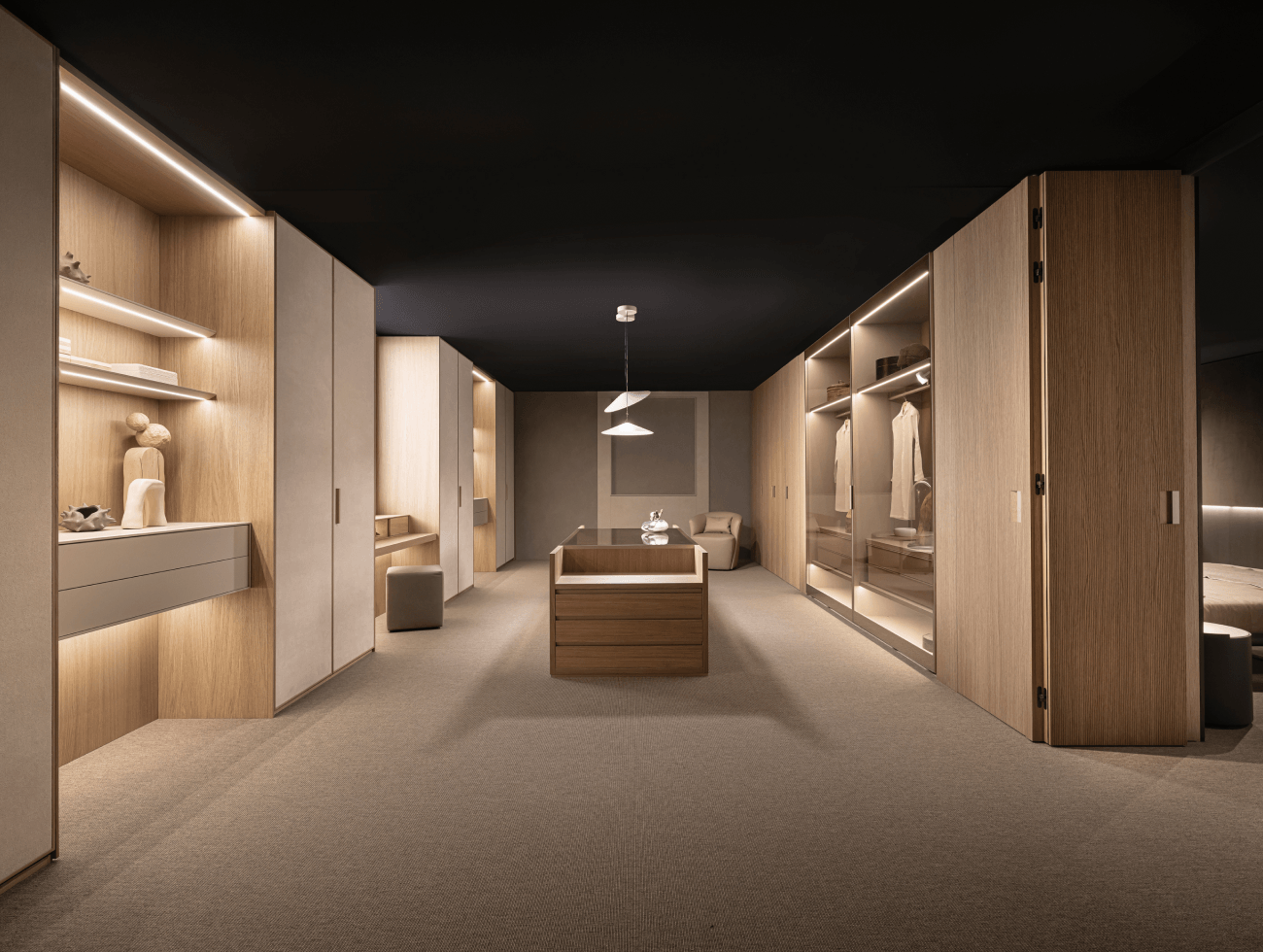
In interiors built for hospitality, KDLN light stands for rhythm, direction and relationship. Kate 43 Suspension captures this dynamic spirit at its most vivid.
Light takes its place
In hospitality environments, light does more than set the mood: it marks the entrance to a lobby, gathers guests around a bar counter, guides the way to a lounge area, punctuates the transition from one room to the next.
It’s an approach KDLN has practised for thirty years. Founded in Milan in 1996, the brand treats the lamp as an element in dialogue with architecture and interior design — bringing together formal research, material quality and lighting performance.
More than an addition to a room, light becomes part of its composition: it can blend with wood, stone and fabric, contrast with textured surfaces, or reshape rhythm and perception through orientation, scale and repetition.
Kate 43 Suspension: from single gesture to sequence
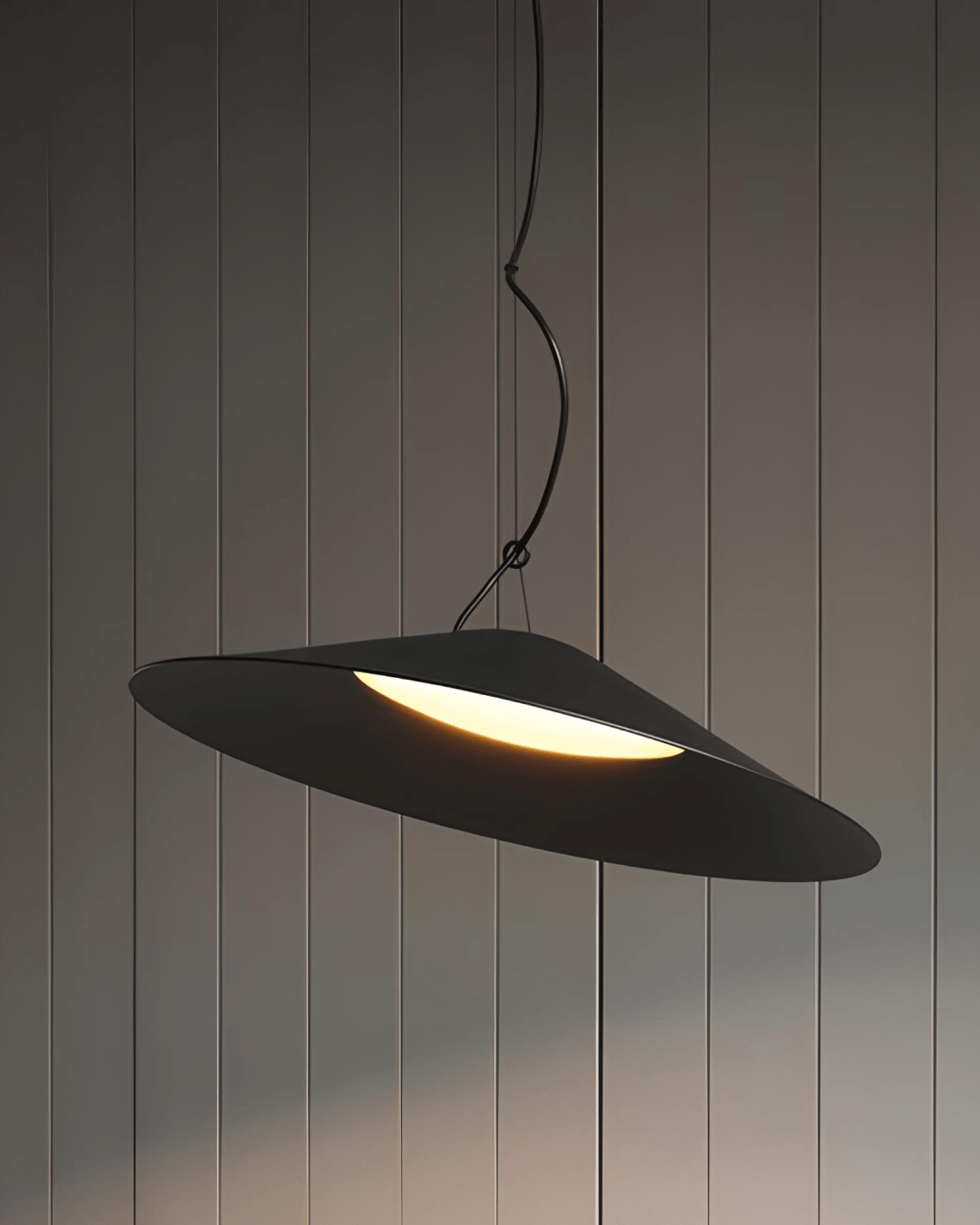
This compositional freedom comes together in Kate 43 Suspension, designed by Francesca Smiraglia. The new, more compact version brings the Kate family down to 43 centimetres, giving it a more agile presence.
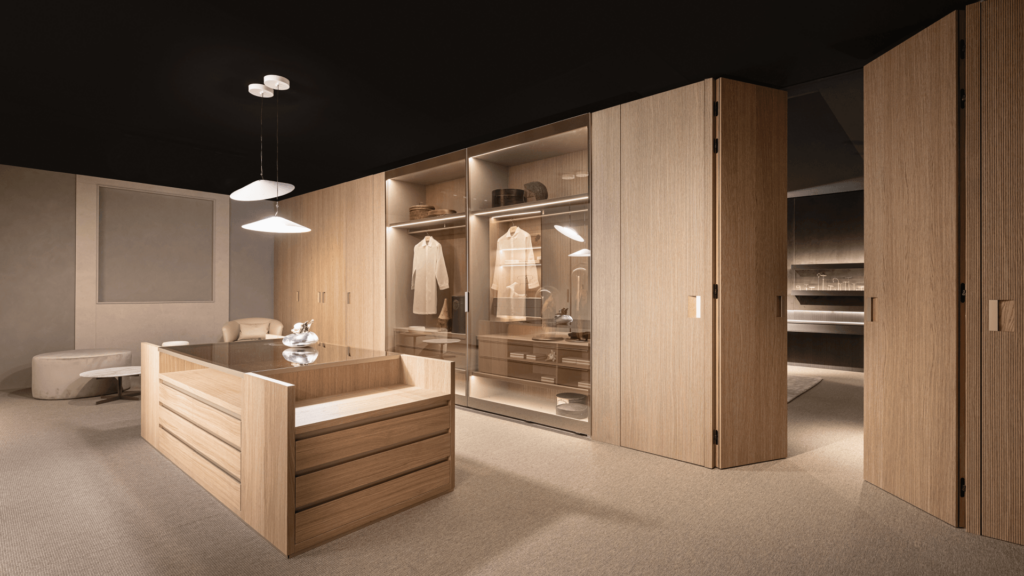
A ring set along the tensioned cable releases the tilted diffuser, which can be angled in different directions. Direct and diffused light meet in the same gesture, and the lamp works equally well alone or grouped.
A single fixture can focus light over a table; a sequence can define a bar counter or a gathering spot; several pendants set at different angles can build a freer, more theatrical rhythm.
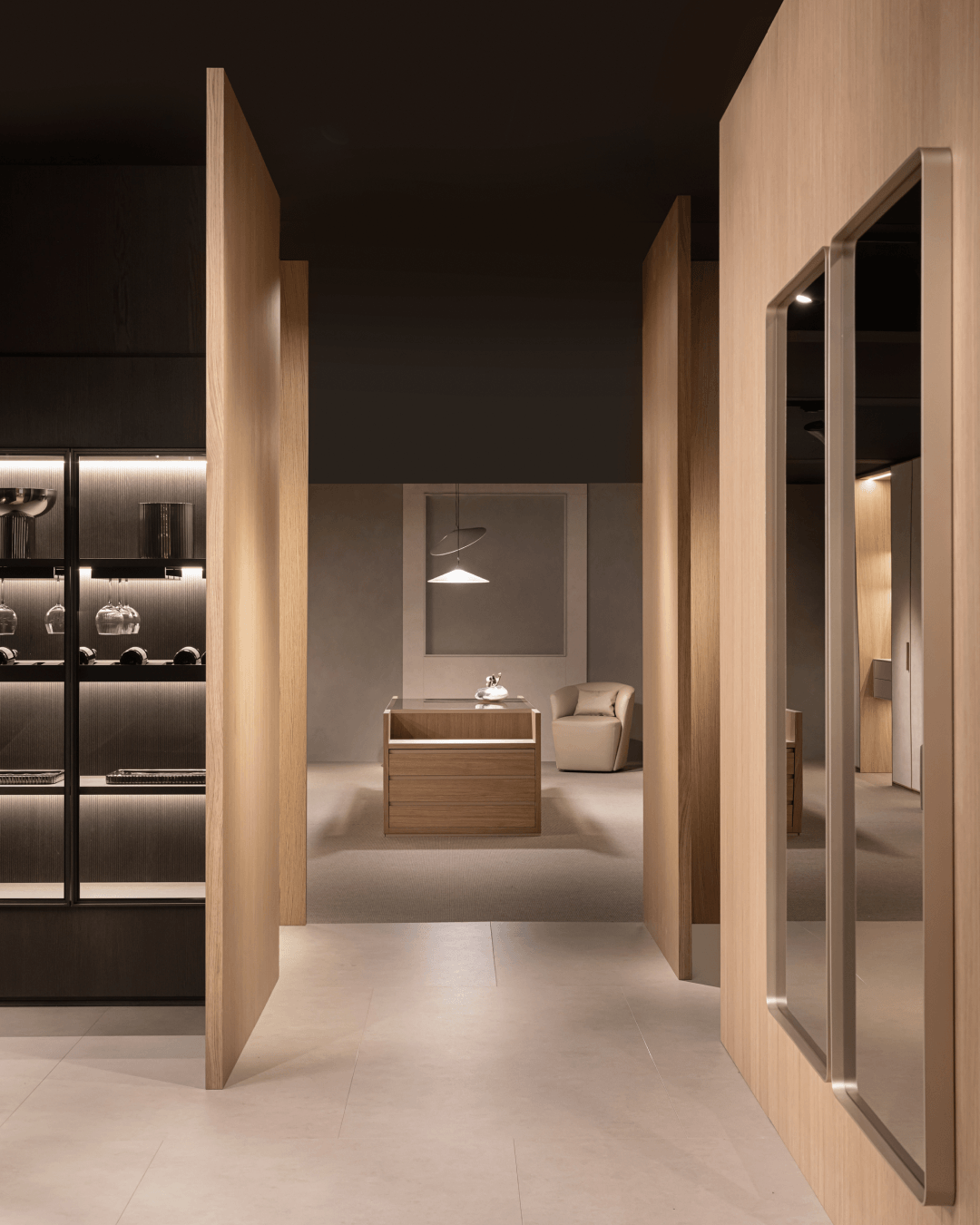
PH: Lorenzo Pennati
Compared with the original, more sculptural Kate Suspension, Kate 43 shifts the focus from volume to the relationship between multiple pieces — from object to composition.
Colour plays its part too. The opal diffuser meets an aluminium structure available in white, gold leaf, or custom finishes on request, letting the lamp either blend into an interior’s palette or stand out as an accent.
This freedom of gesture is backed by precise performance: Kate 43 is dimmable, available in 2700K and 3000K, with a colour rendering index above 90 — a particularly relevant quality in spaces where materials and colours play a key role in perception.
A vocabulary of forms and moods
The same thinking runs through KDLN’s other collections, in different registers — from the most enveloping volumes to the most essential wall-mounted signs.
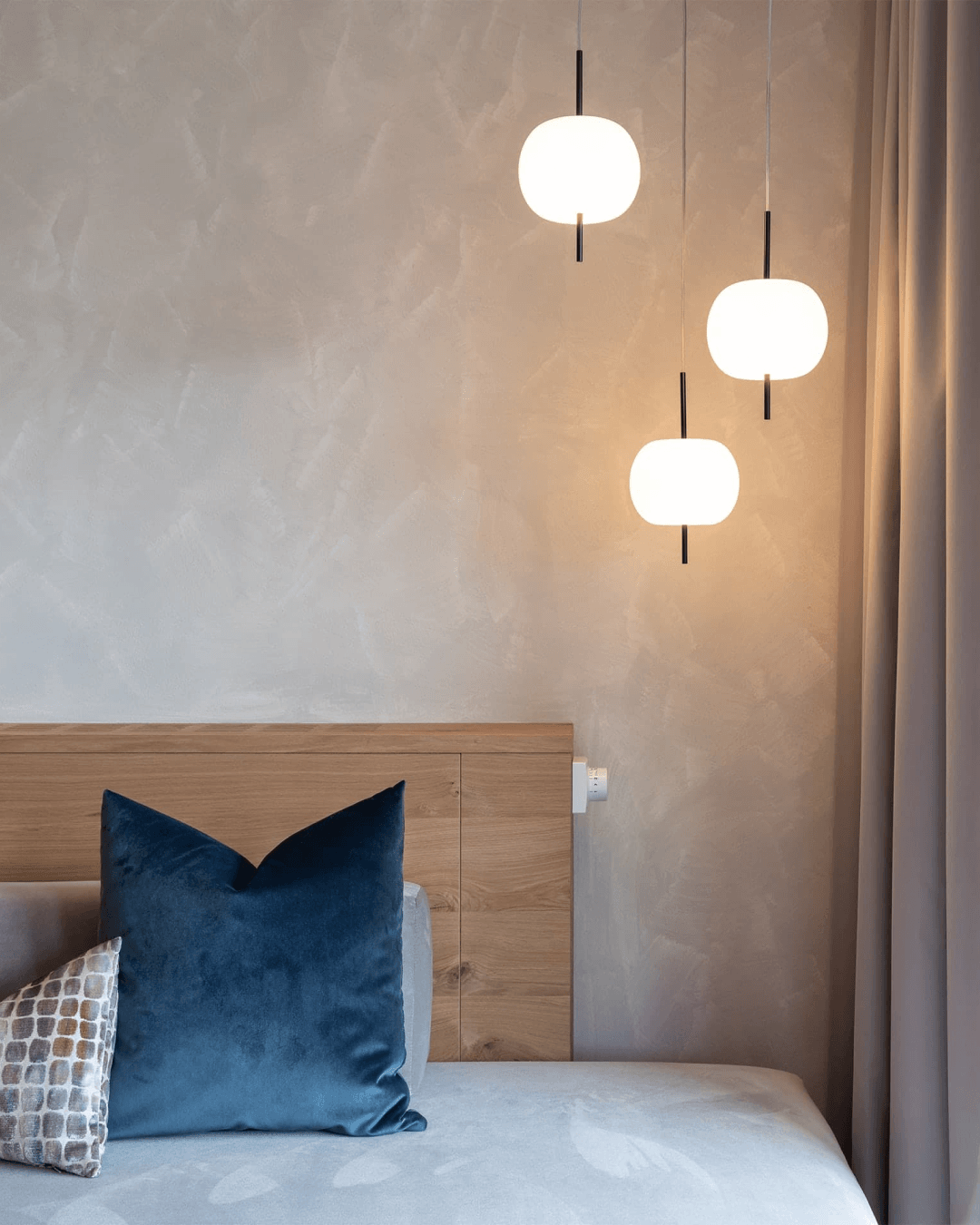
Soft volumes in blown opal glass define Kushi Suspension, by Alberto Saggia and Valerio Sommella, designed to create intimate, convivial moods — above a dining table in a restaurant, for instance.
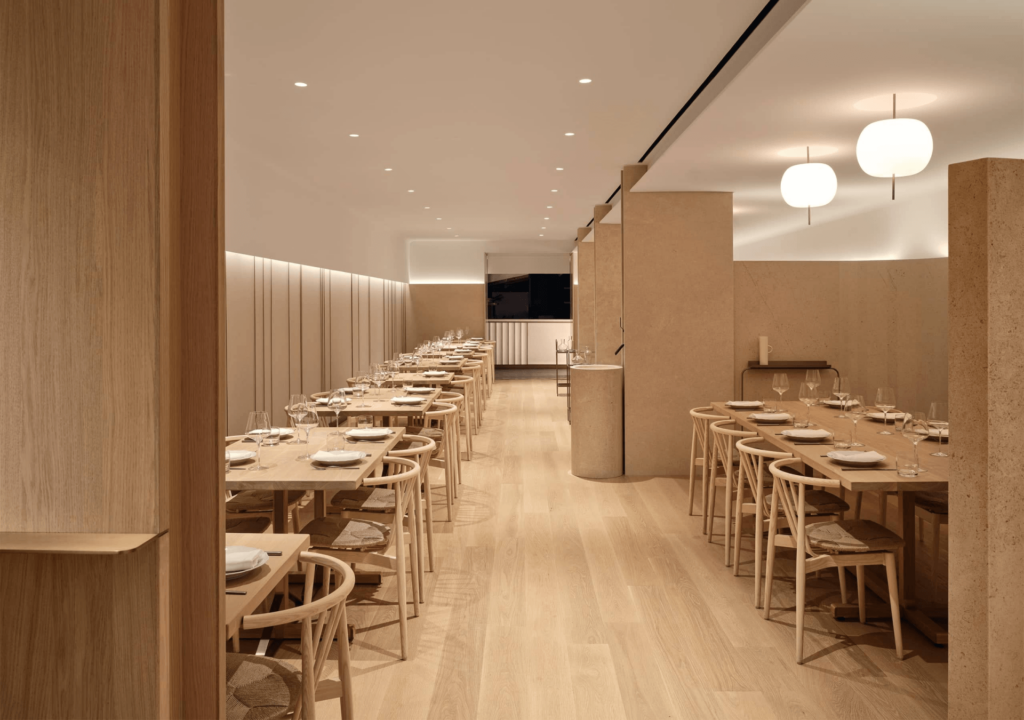
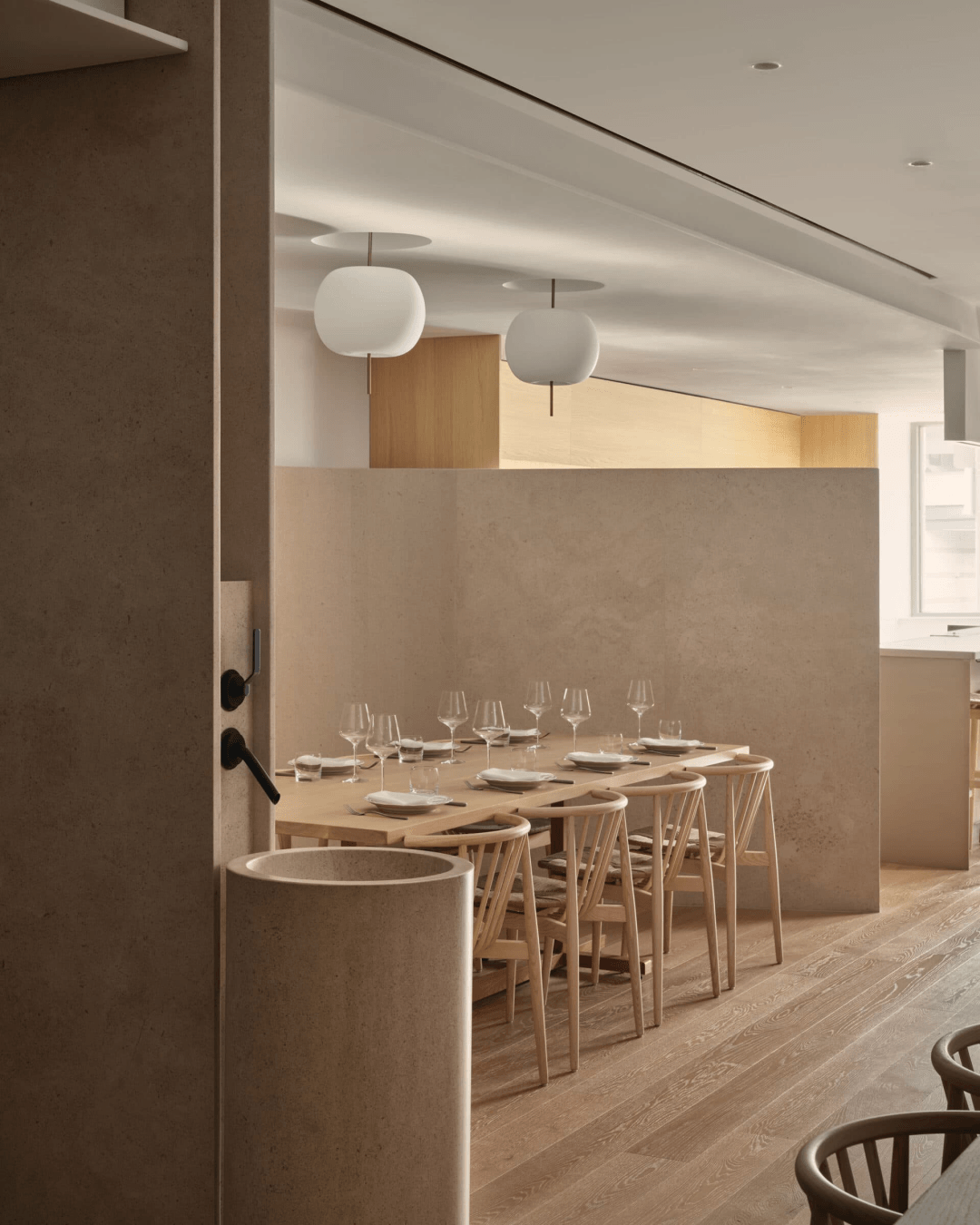
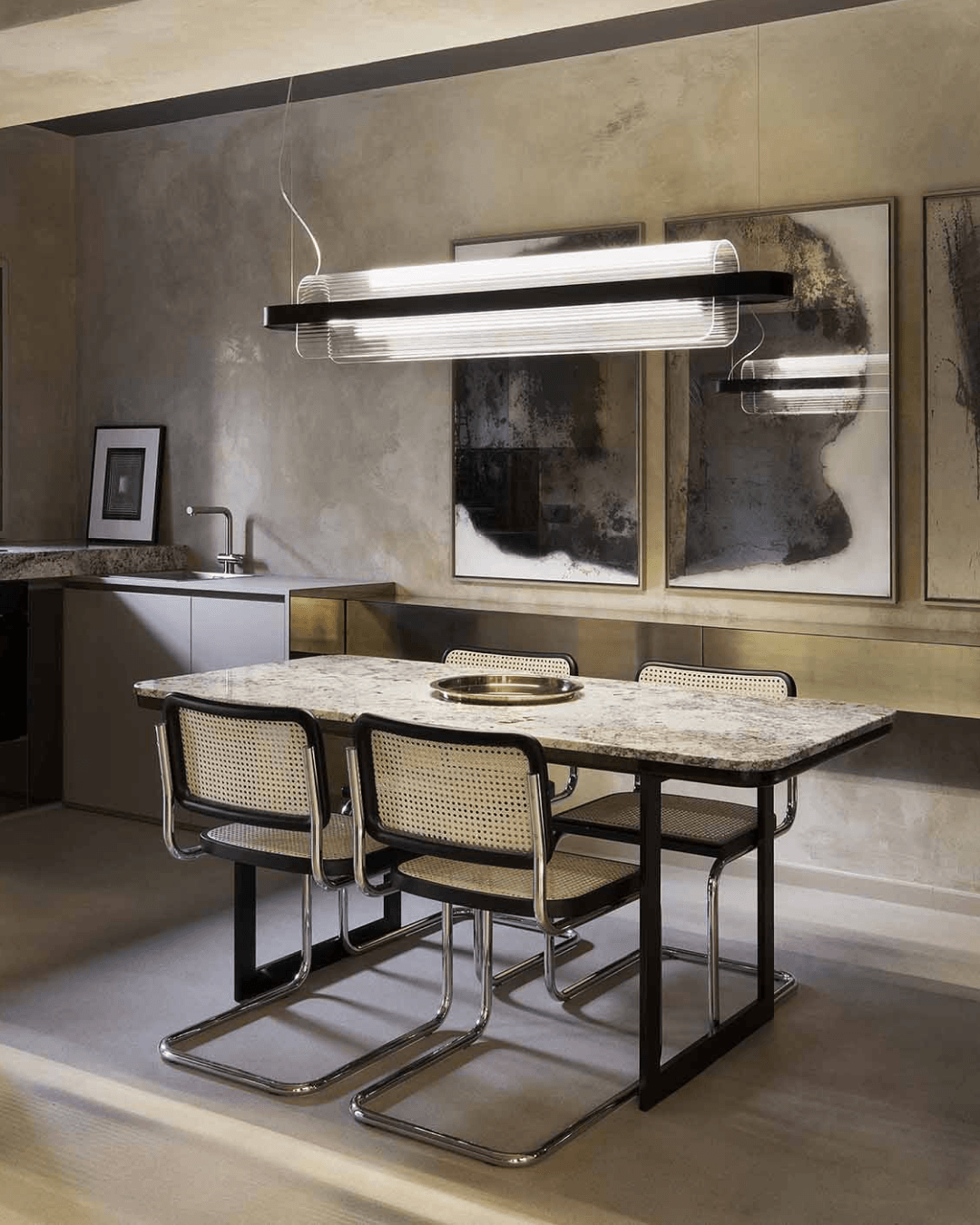
The same designers are behind Nami, which stretches the gesture across the room instead: a textured glass diffuser that follows tables, islands and linear surfaces — a reception desk, say.
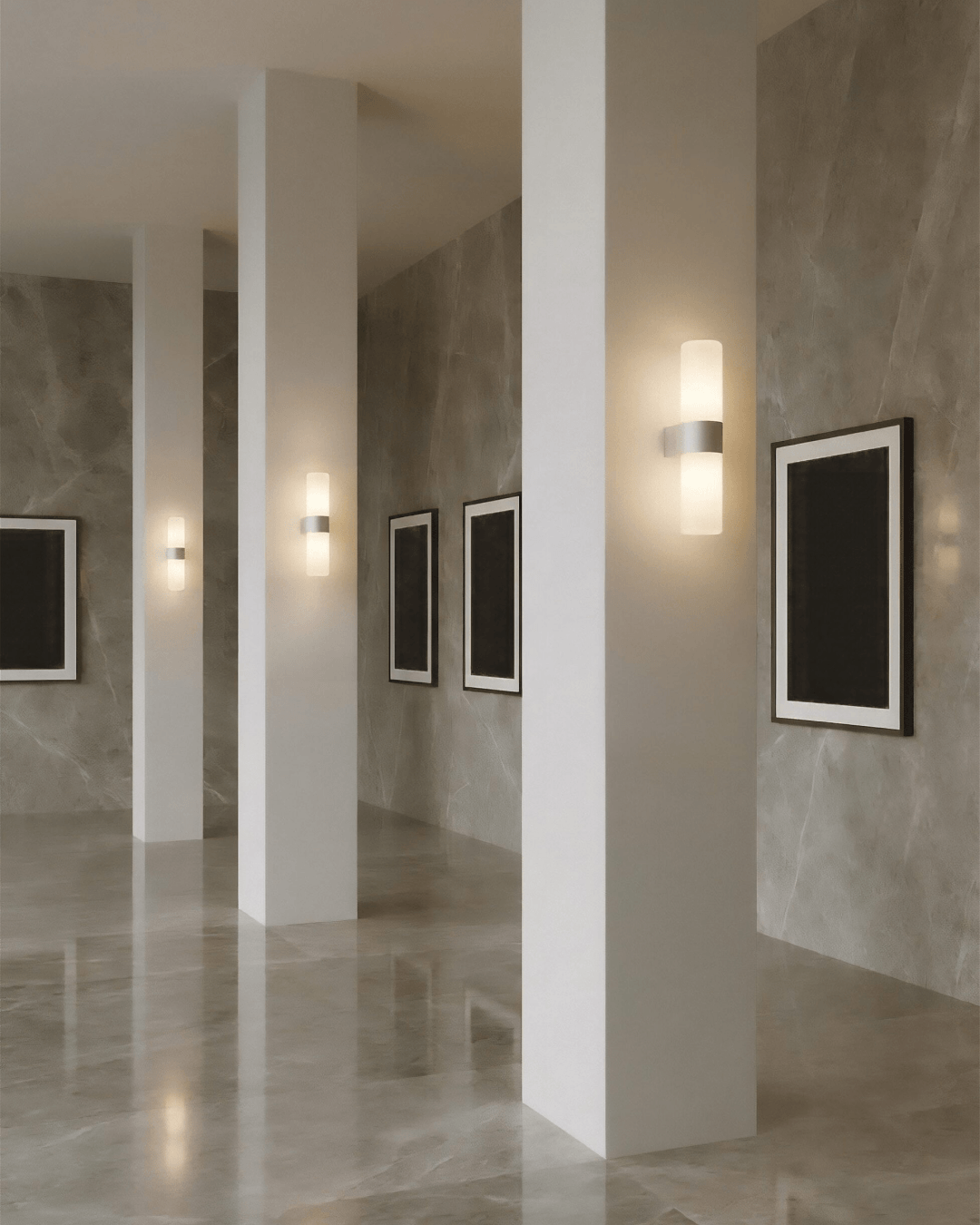
On the wall, the idea finds another expression with Pastilla by Patricia Urquiola: etched pressed glass and metal form a small luminous volume that marks corridors, passageways and more intimate corners, like a hotel hallway or a private entrance.
In contemporary contract design, an interior’s identity often rests on the balance between material, colour and light. Rather than repeating the same lighting solution across every space, the idea is to build continuity through different gestures: volumes that gather, lines that guide, surfaces that multiply and turn light into movement.
Related articles