

Discover our e-shop and access a digital catalogue of over 40.000 design products.
Go to shopFrom Inspiration to installation. Discover Mohd Interior Design Studio
Discover our e-shop and access a digital catalogue of over 40.000 design products.
Go to shop5 April 2026
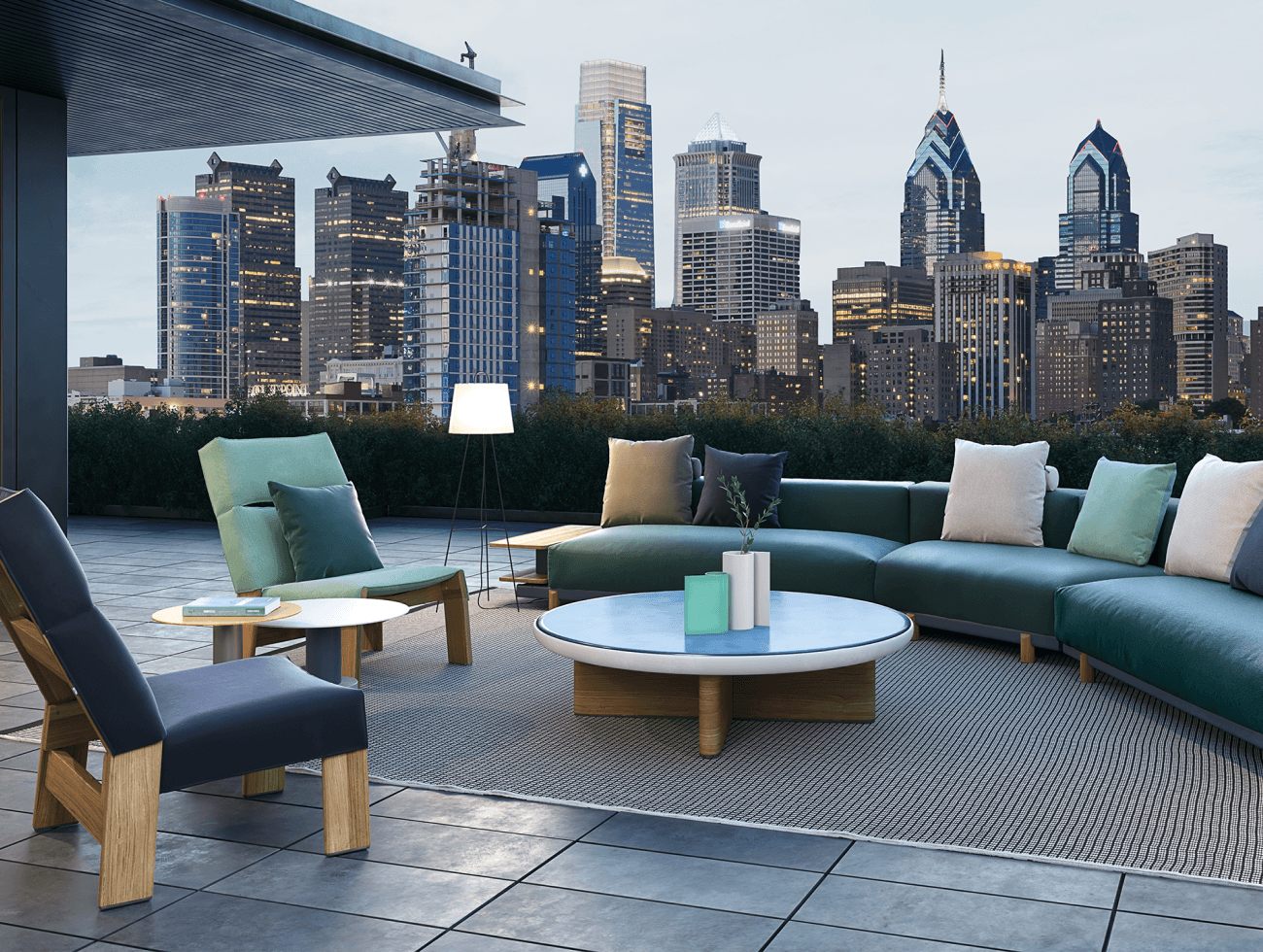
From layout to materials, from greenery to light, designing a rooftop garden means transforming the terrace into a coherent, functional outdoor space that feels fully integrated with the architecture of the home.
In cities where outdoor space is limited, the terrace is emerging as one of the defining spaces of contemporary living. No longer a residual surface, but a place to be interpreted: an opportunity to reclaim light, air, privacy, and a different rhythm of everyday life. Designing rooftop gardens means shaping this potential into a coherent outdoor environment, where materials, greenery, shade, and function come together with the same precision expected of an interior.
For a terrace to become a true open-air extension of the home, the project must start from structure, not style. Every effective rooftop design begins with a clear technical assessment. Load-bearing capacity, waterproofing, drainage, exposure, and wind define the real perimeter of the intervention. In rooftop design, performance and aesthetics are never separate. Their integration is what ensures durability, comfort, and long-term quality.
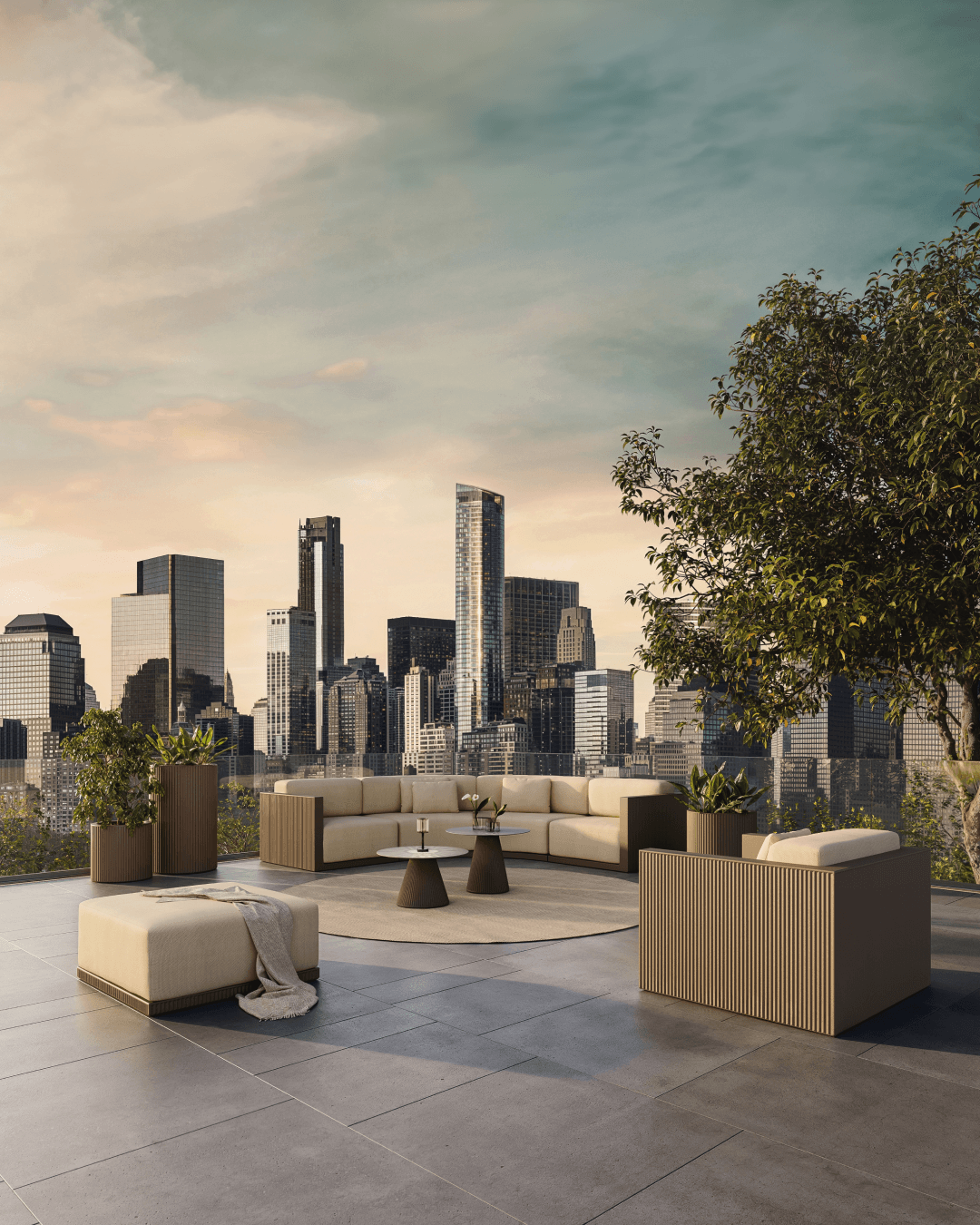
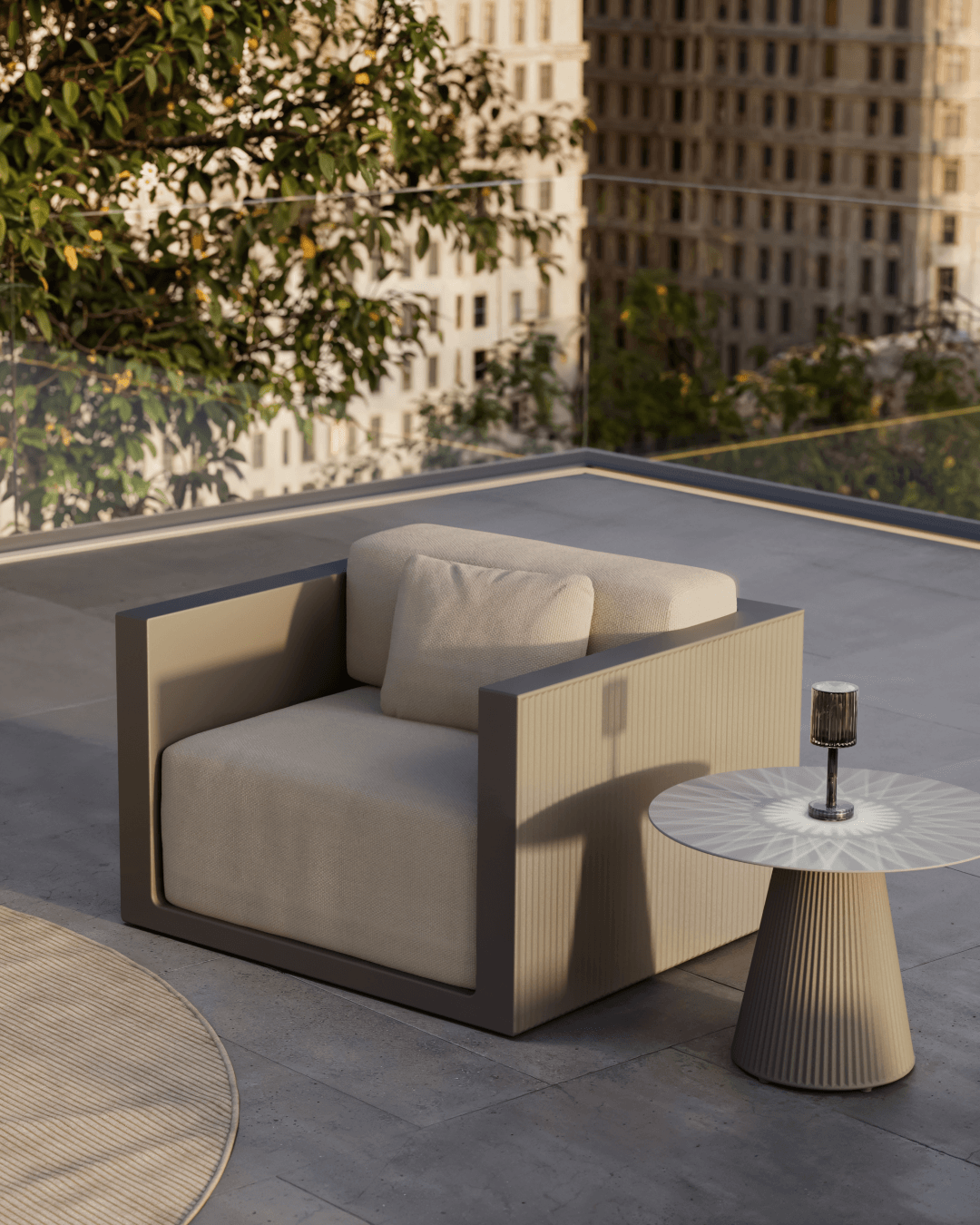
Rooftop gardens should not be treated as decorative surfaces, but as spaces to live in. For urban professionals, prioritizing function over form means creating an environment that supports different moments throughout the day: informal work, relaxation, and social time. The layout should unfold through subtle zoning, using variations in materials, levels, planting, and shading systems, without relying on rigid divisions.
Continuity between indoors and outdoors is essential. A well-designed terrace should not feel detached, but fully connected to the existing architecture. Materials play a decisive role in this transition. Mineral surfaces, treated wood, natural textures, and restrained palettes establish visual coherence with the interior, while ensuring resistance and stability in outdoor conditions. In contemporary terrace design, clarity and consistency matter more than accumulation.
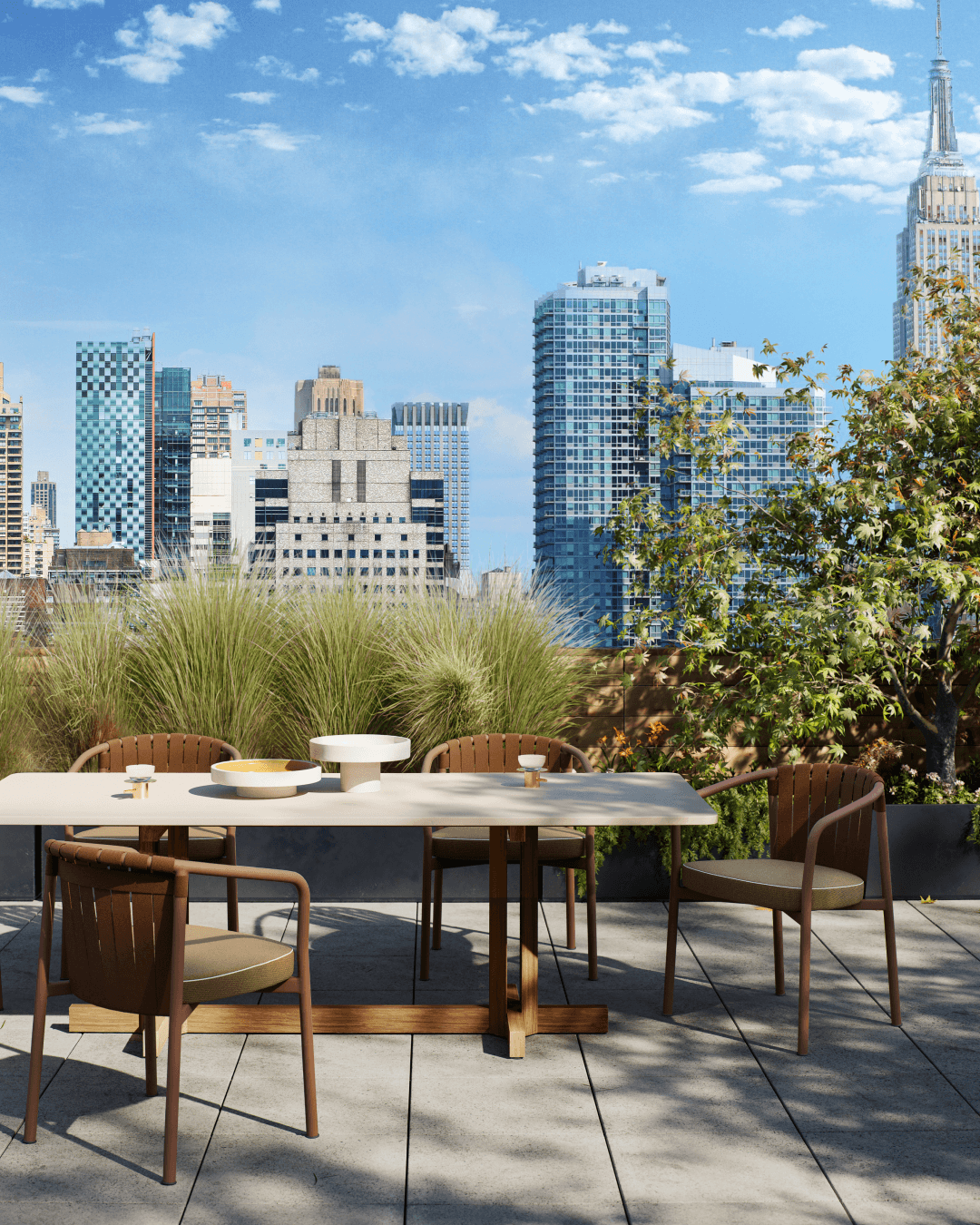

Planting is equally central in shaping the space. In well-resolved rooftop gardens, greenery is not an accessory but a core design element.
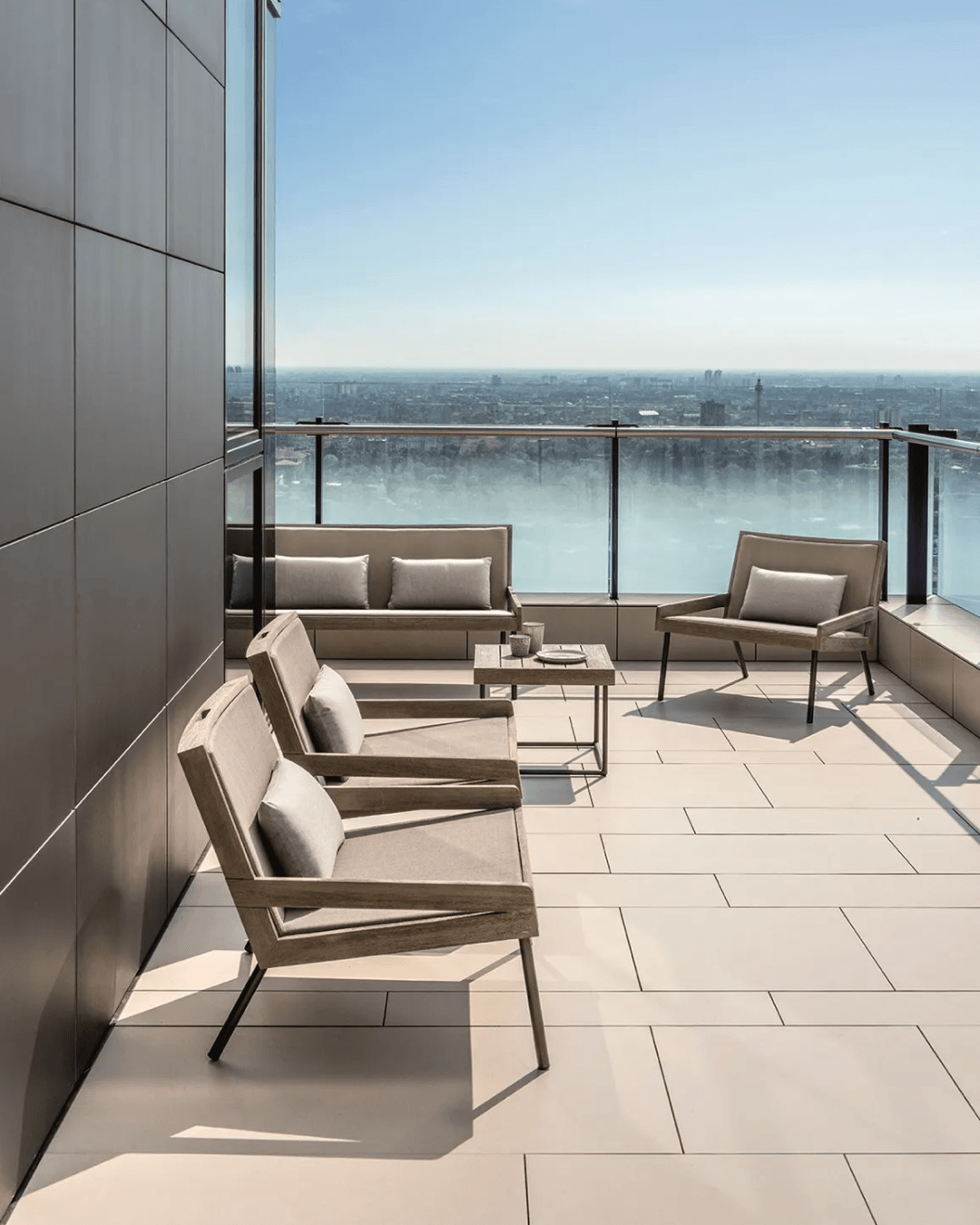
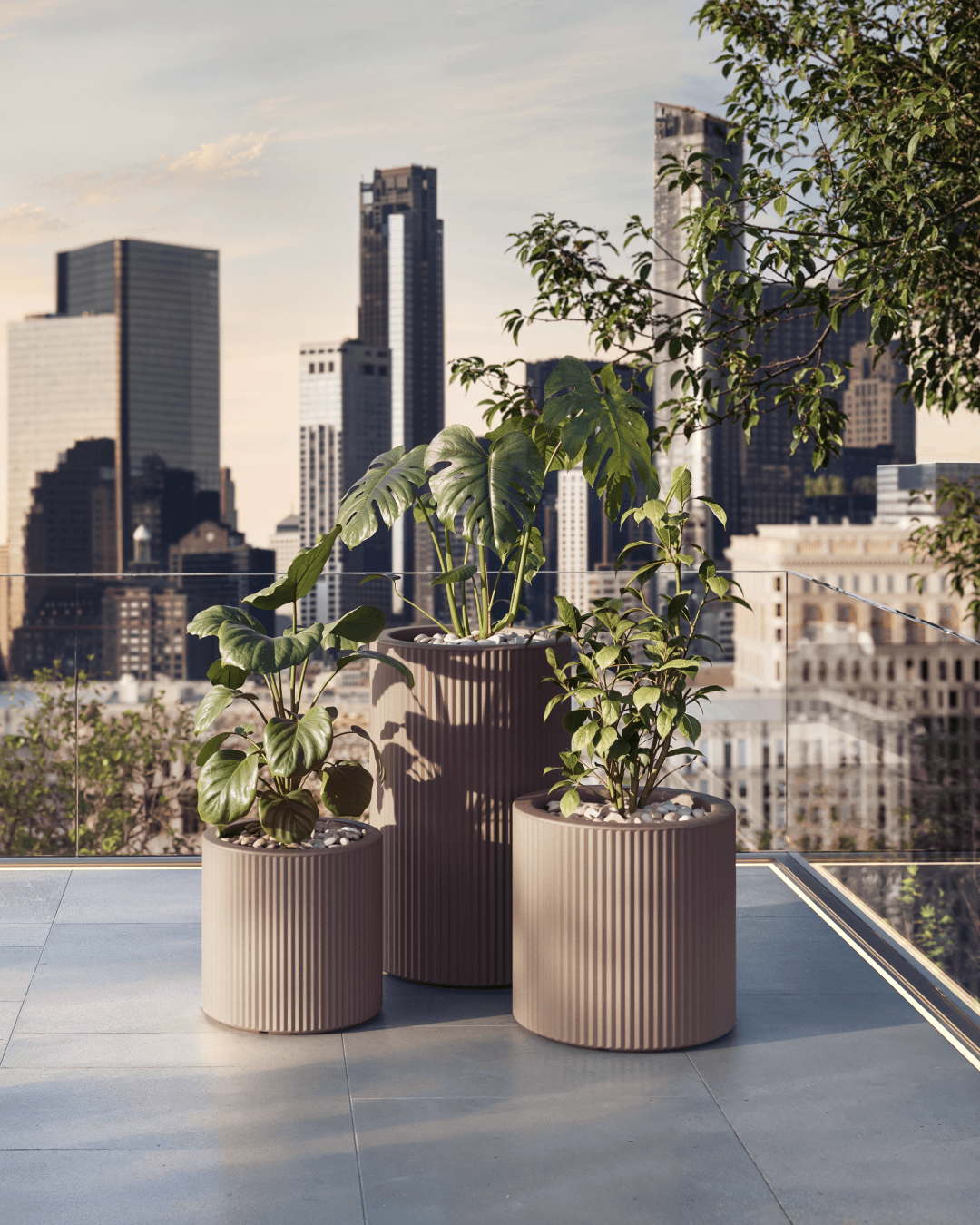
It filters light, creates privacy, frames views, and softens the architectural edge of the terrace. Species should be selected for resilience as well as visual quality, combining evergreen structure with controlled seasonal variation to maintain balance throughout the year.
The overall quality of the space also depends on how light and shade are managed. Shading systems for daytime use and discreet lighting for the evening extend the usability of the terrace and define its atmosphere. Indirect and diffused light is often the most effective approach, enhancing the space without overloading it or turning it into a purely scenographic setting.
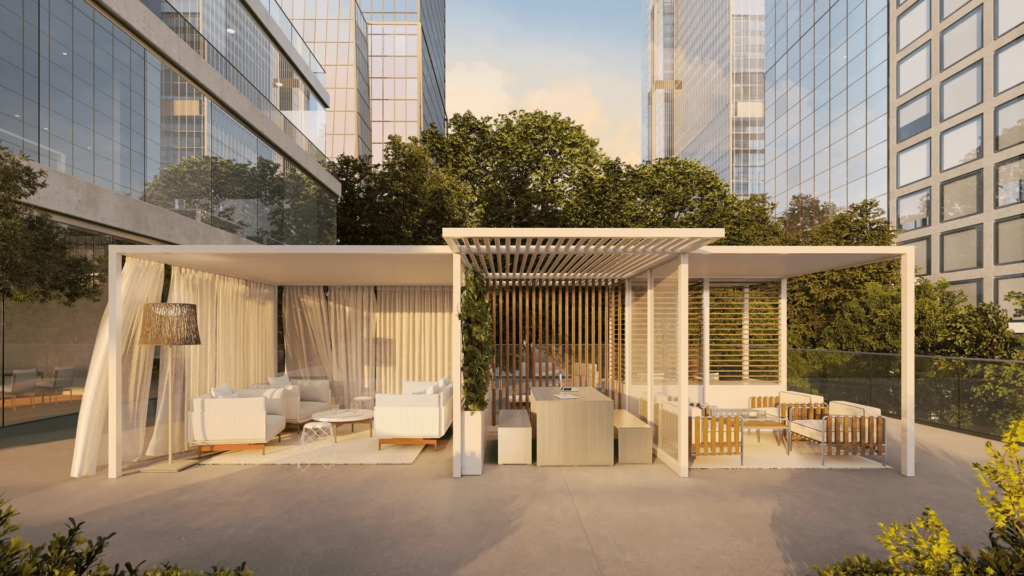
As in the most refined projects, the key is not to add, but to reduce. One of the most common mistakes in contemporary terrace design is excess: too many materials, too many functions, too many gestures. A terrace works when it is clear, balanced, and legible. In the most successful rooftop designs, every element is calibrated and serves a precise purpose.
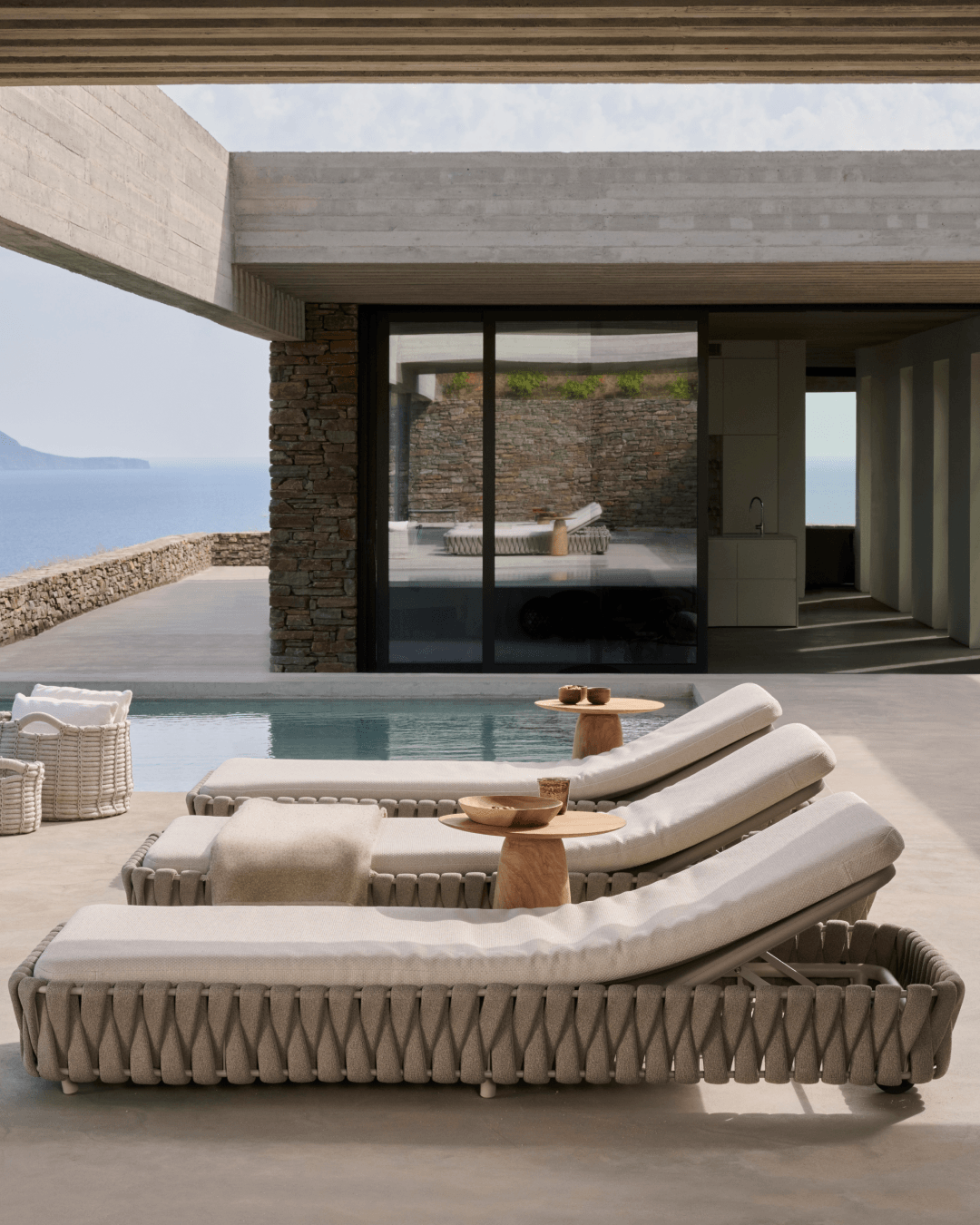
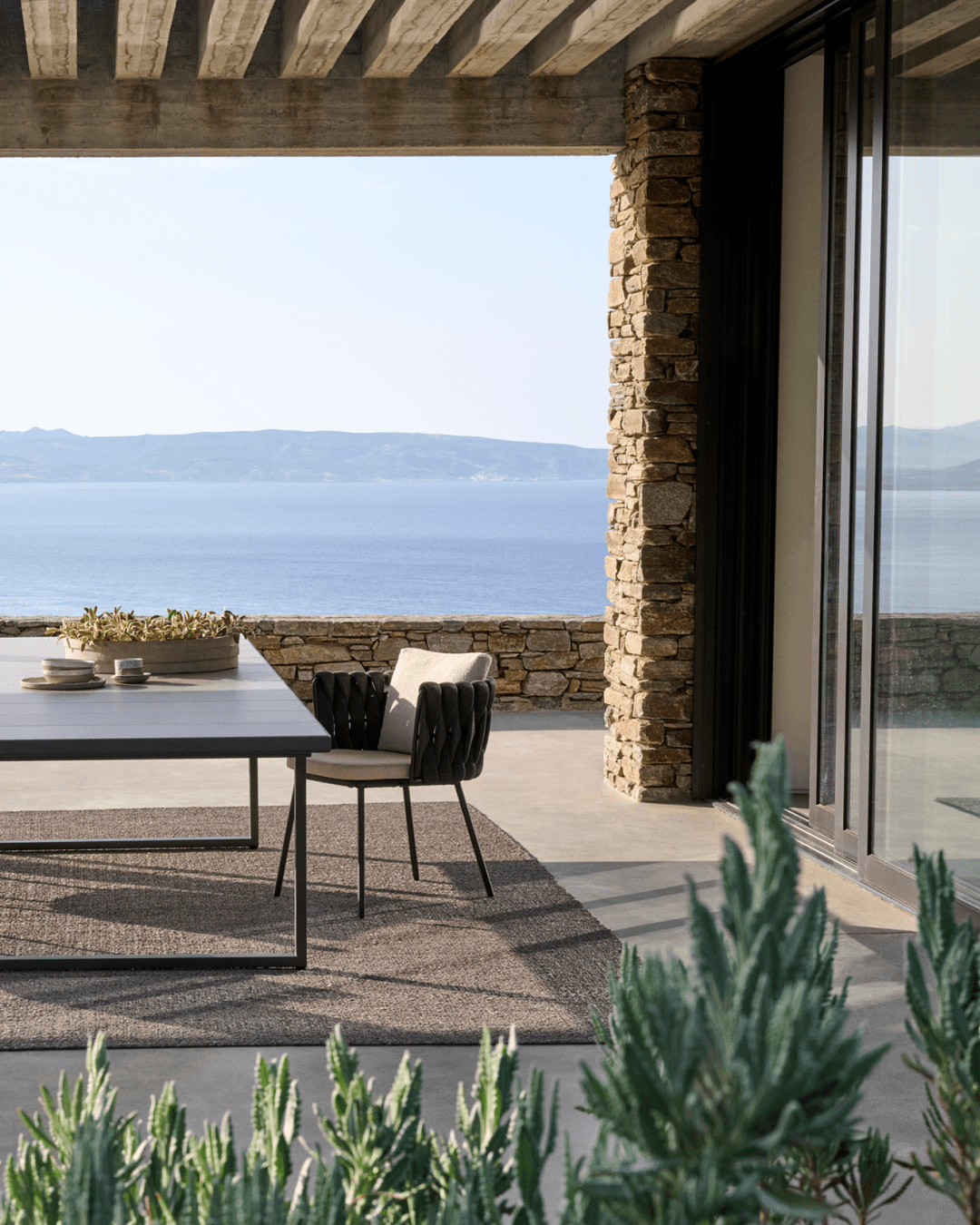
Rooftop gardens reach their full potential when they are conceived as an integral part of the home. Not as an addition, but as a coherent extension of the living space. It is this shift that transforms the terrace from a simple surface into a livable landscape, and outdoor space into a more refined way of inhabiting the city.