

Discover our e-shop and access a digital catalogue of over 40.000 design products.
Go to shopFrom Inspiration to installation. Discover Mohd Interior Design Studio
Discover our e-shop and access a digital catalogue of over 40.000 design products.
Go to shop13 October 2026
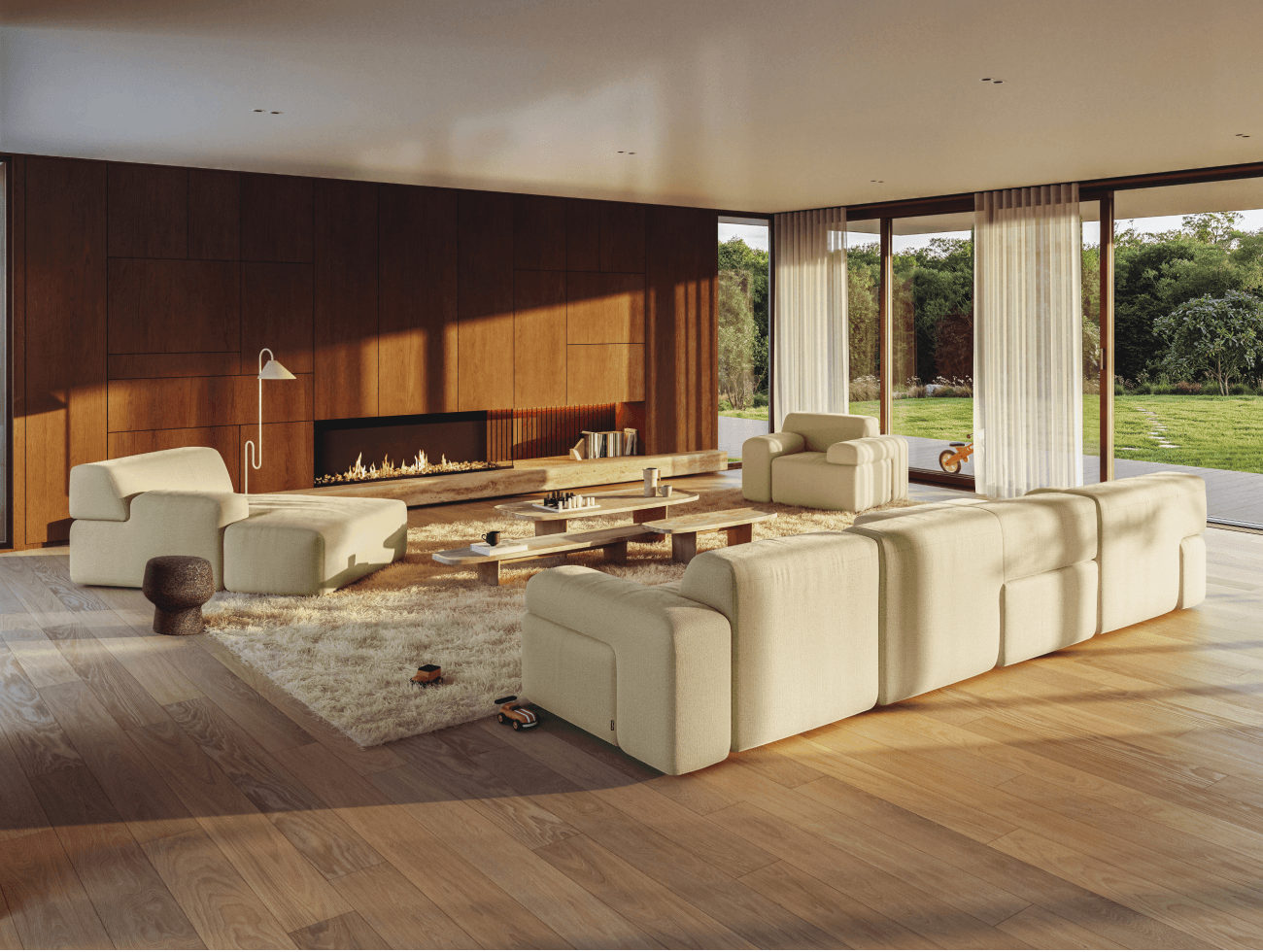
From Porto’s Parque da Cidade to a modular system of eleven elements: Gabriel Tan’s Soft Stone for ClassiCon turns the presence of stone into a soft seat, with fabrics chosen with Zimmer + Rohde and padding refined over several years.
Behind the monolithic look of Soft Stone, the modular system Gabriel Tan designed for ClassiCon, lies a softness built up layer by layer. When you sit down, it welcomes the body and lets it sink in slowly, retaining nothing of the hardness of a block of stone.
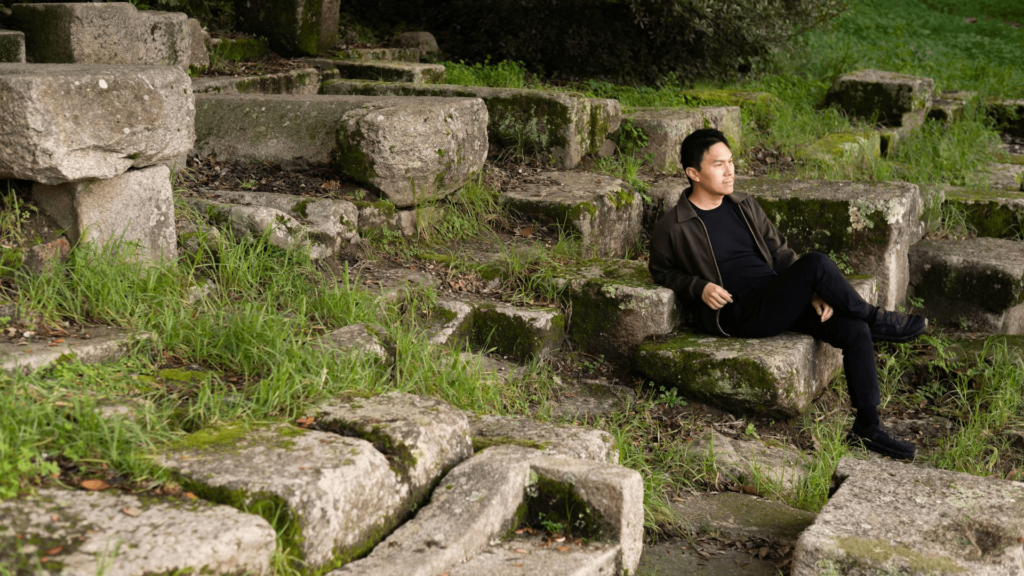
Yet stone is where the project begins. In Porto’s Parque da Cidade, during the pandemic, Gabriel Tan watched people stop to talk on the large staggered blocks, and that image prompted the wish to translate the permanence of those volumes into a soft piece of furniture. The reference to Isamu Noguchi, who could suggest gentleness in hard materials, enters the project only to be turned on its head: here it is softness that takes on the solidity of stone.
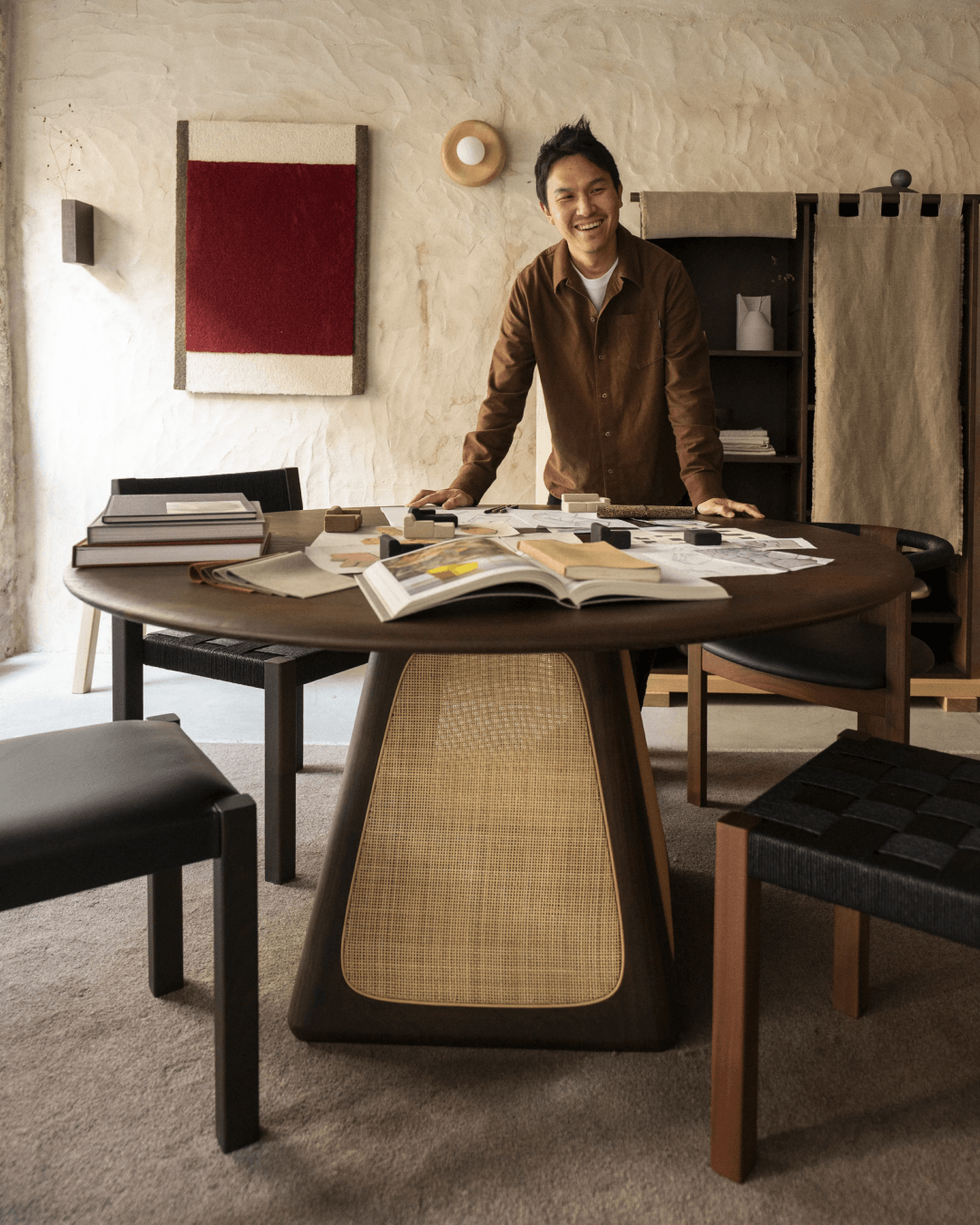
Tan has explained that he wanted to bring a systemic logic to a form that came out of observing nature, and it is this logic that underpins the project’s eleven modules. Each stands on its own, but together they compose fluid configurations that deliberately avoid symmetry and are never the same from one space to the next.
The focus shifts from the scale of the composition to that of the detail. The edges of the cubic volumes are barely rounded, and deliberate folds in the upholstery break up the linearity, so that the softness is legible even before it is touched. The fabrics, selected with Zimmer + Rohde, carry the mineral metaphor further. Tinto, a blend whose depth comes from an effect yarn, recalls wet stone drying in the sun. Pamir RE is a bouclé with a soft hand and a fine, curled relief. Andro Plus, a two-tone chenille with a slight sheen, emphasises the cubic volumes. Antoni, a linen blend, sets earthy, sandy tones against a creamy white.
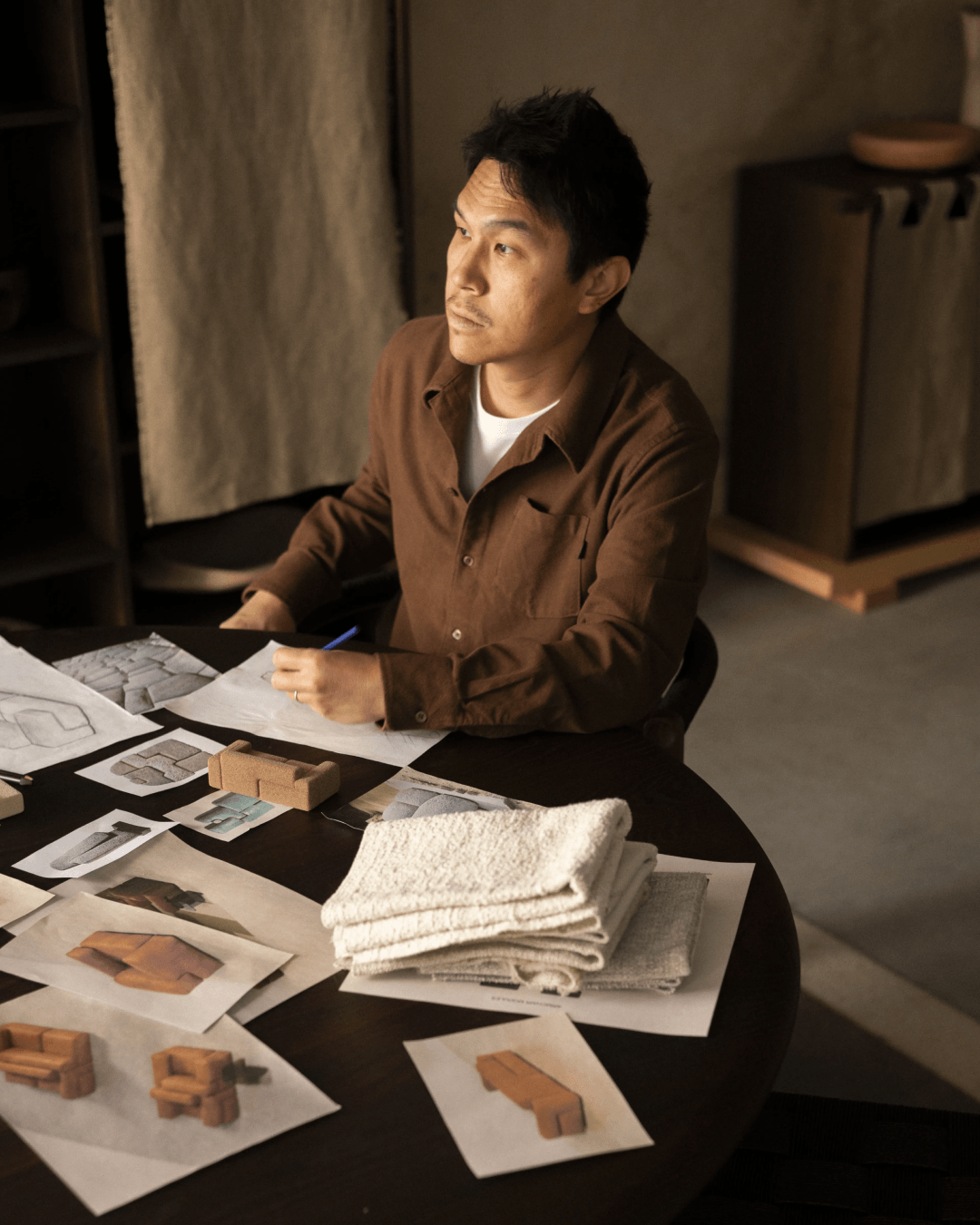
The real inversion, however, happens beneath the surface. The monolith hides a complex internal structure, fine-tuned over several years of development so that its visual softness would be matched by comfort, without sacrificing stability. Different foams are layered over a plywood frame with Nosag springs, each calibrated to the others: one firmer along the front edge, to make standing up easier, combined with a layer of memory foam that gives the sensation of sinking in slowly. A final quilted layer of down and hollow-profile fibres softens the silhouette while keeping lines and seams sharp. This kind of work takes time, and Tan himself credits ClassiCon with the patience not to force it.
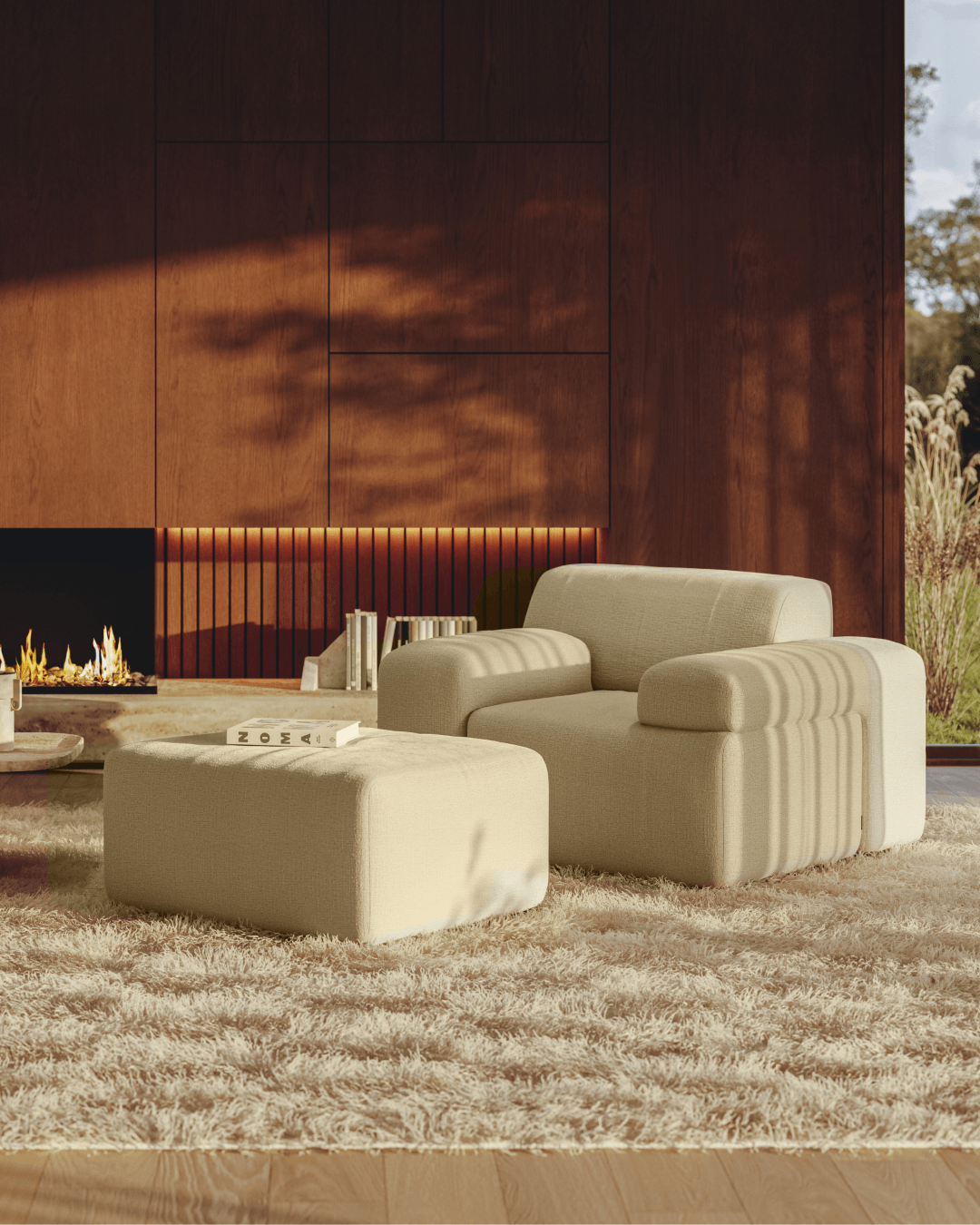
The sofa is made in a workshop in Bavaria, and the covers are removable and replaceable, a choice in keeping with long-term use and with the principles of the circular economy. Cushions in three sizes can make the seat softer still, if desired.
Related articles