

Discover our e-shop and access a digital catalogue of over 40.000 design products.
Go to shopSpring Days | Use the coupon code SPRING15 to get 15% off on purchases starting at 480€ and SPRING20 to get 20% off on purchases starting at 4800€
Discover our e-shop and access a digital catalogue of over 40.000 design products.
Go to shop9 January 2026

A conversation with Debiasi Sandri about vision, materials, and identity. From their training to the role of companies in defining essential and contemporary projects.
In the work of Daniel Debiasi and Federico Sandri, founders of the eponymous studio, industrial rigor and artisanal sensitivity coexist, a silent balance that becomes a design language. For fifteen years, the studio has cultivated a vision based on dialogue, observation, and profound respect for the identity of the brands it collaborates with, including Schramm and Stelton.
This approach also clearly emerges in the collaboration with Inbani, where materiality, formal purity, and attention to detail define intimate and contemporary spaces. Here, the designers discuss their journey, the value of relationships with companies, and the importance of creating objects capable of accompanying everyday life with discretion and elegance.

What is your background and how did the studio come into being?
FS: We both studied industrial design: Daniel at the Polytechnic University of Milan and I at the IUAV. We met while working in a design studio in Milan. Subsequently, each of us took a different path: Daniel went to work at the Motorola design center, then at Conran Studio and other studios in London, while I returned to my hometown of Verona to pursue design consultancy. We always stayed in touch, and when opportunities arose, we decided to seize them and work together again. From that moment, several products for Antoniolupi and a few art direction projects for other companies (trade show stands, photo shoots, catalogs, etc.) were born. We found it all stimulating and fun, so we decided to dedicate ourselves 100% to this activity. We’ve never shared a physical studio, but have always collaborated remotely, and that’s now been 15 years. Daniel now lives in Bolzano, and I live in Bergamo.
In general, what are your priorities when you approach a new project, and what are the values you uphold in your work?
DD: We’re somewhat drawn to working with companies. When we’re approached with a new project, we try to fully understand who we’re designing for, the client’s history and strengths, and the project’s purpose. Very often, building a comprehensive picture from the start helps us find inspiration. When we begin designing, we try to bounce ideas back and forth, refining them and finding a balance between different values: we like it when projects are quiet, but at the same time, we hope that those who come into contact with them will be engaged in some way. We love industrial technologies and the craftsmanship of the artisan. Very often, we find ourselves trying to balance various dichotomies, and we apply this type of vision to product design, interior design, and visual identity projects.
As users and designers, what changes do you think we should adopt when designing the interiors of our homes?
FS: It’s a complex topic because everyone has their own way of experiencing their home, so every interior should be tailor-made. Unlike past decades, when the home was also designed to be “showcased” and shared, today (generalizing) we tend to consider it a refuge, a space that protects us from everything out there…” So we see the home as an orderly container that makes us feel protected and at peace. This can perhaps be translated into a careful choice of materials, the right mix of natural and artificial light, and a careful definition of areas. Furthermore, homes must be able to evolve like the people who live in them, becoming increasingly personal through their vision, their objects, and their memories.
How did the collaboration with Schramm begin and develop, and what struck you most about this company?
FS: We knew Schramm from what we saw in various media, namely their beautiful beds. The real “illumination” came when we saw the products in person and visited the company.
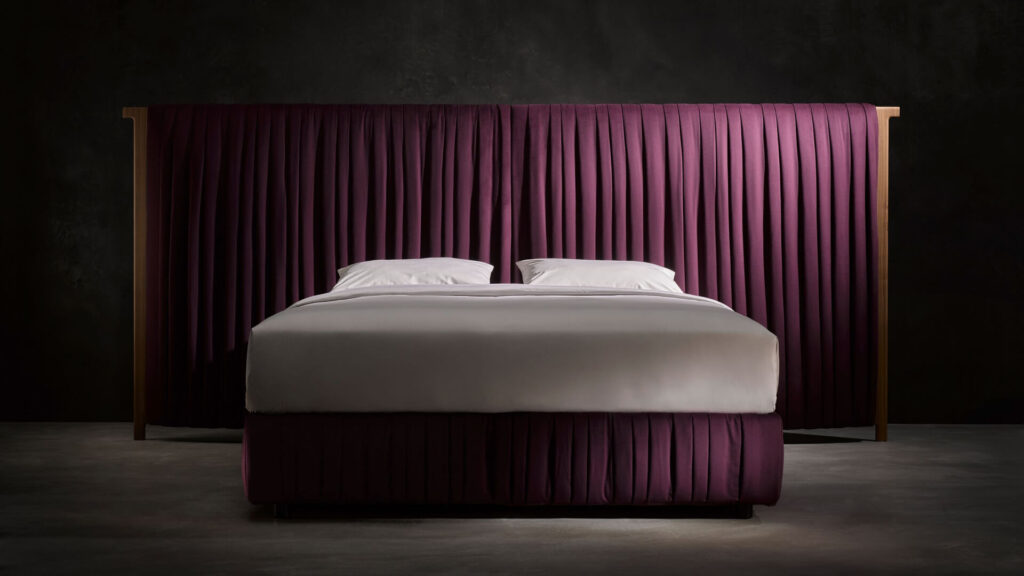
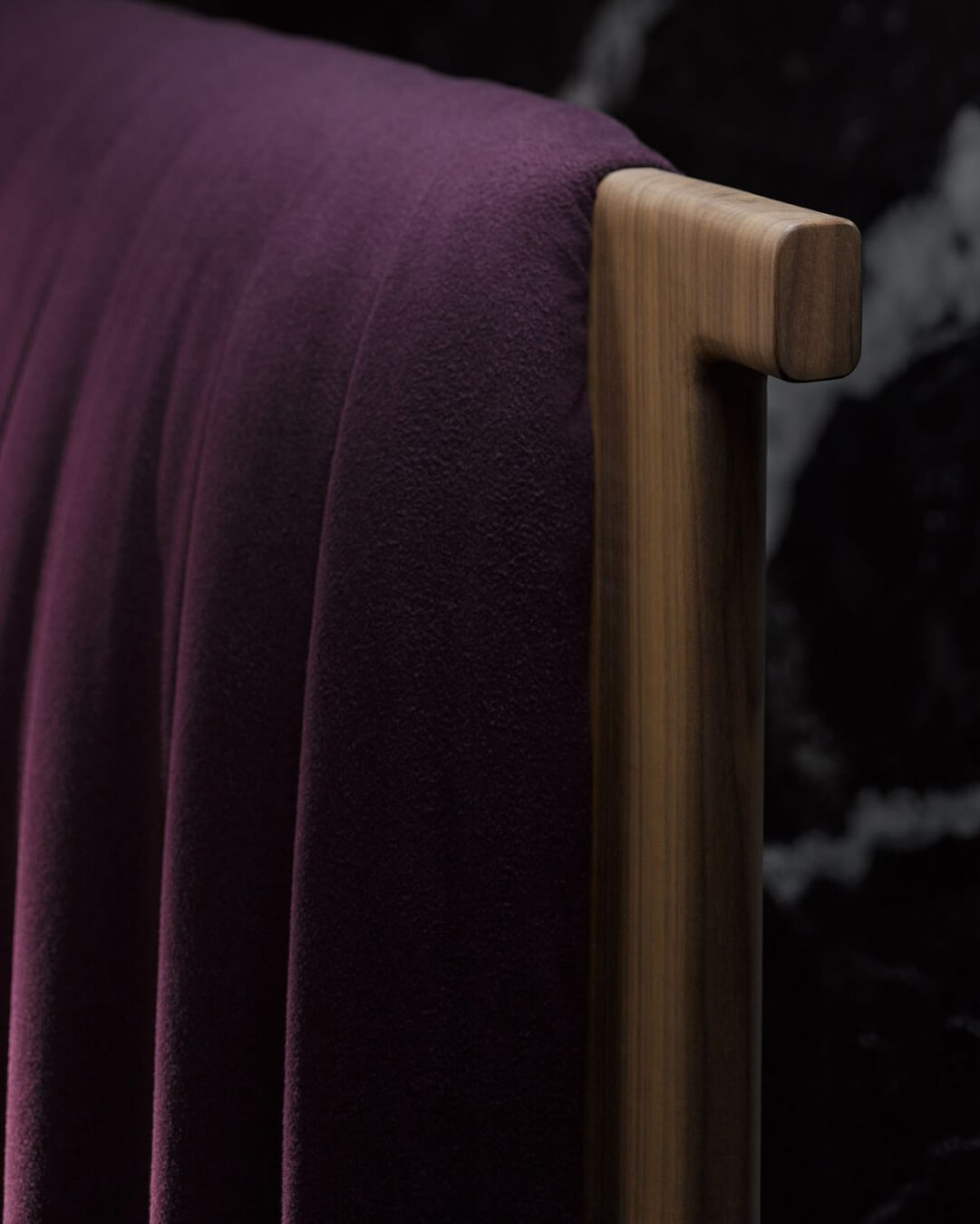
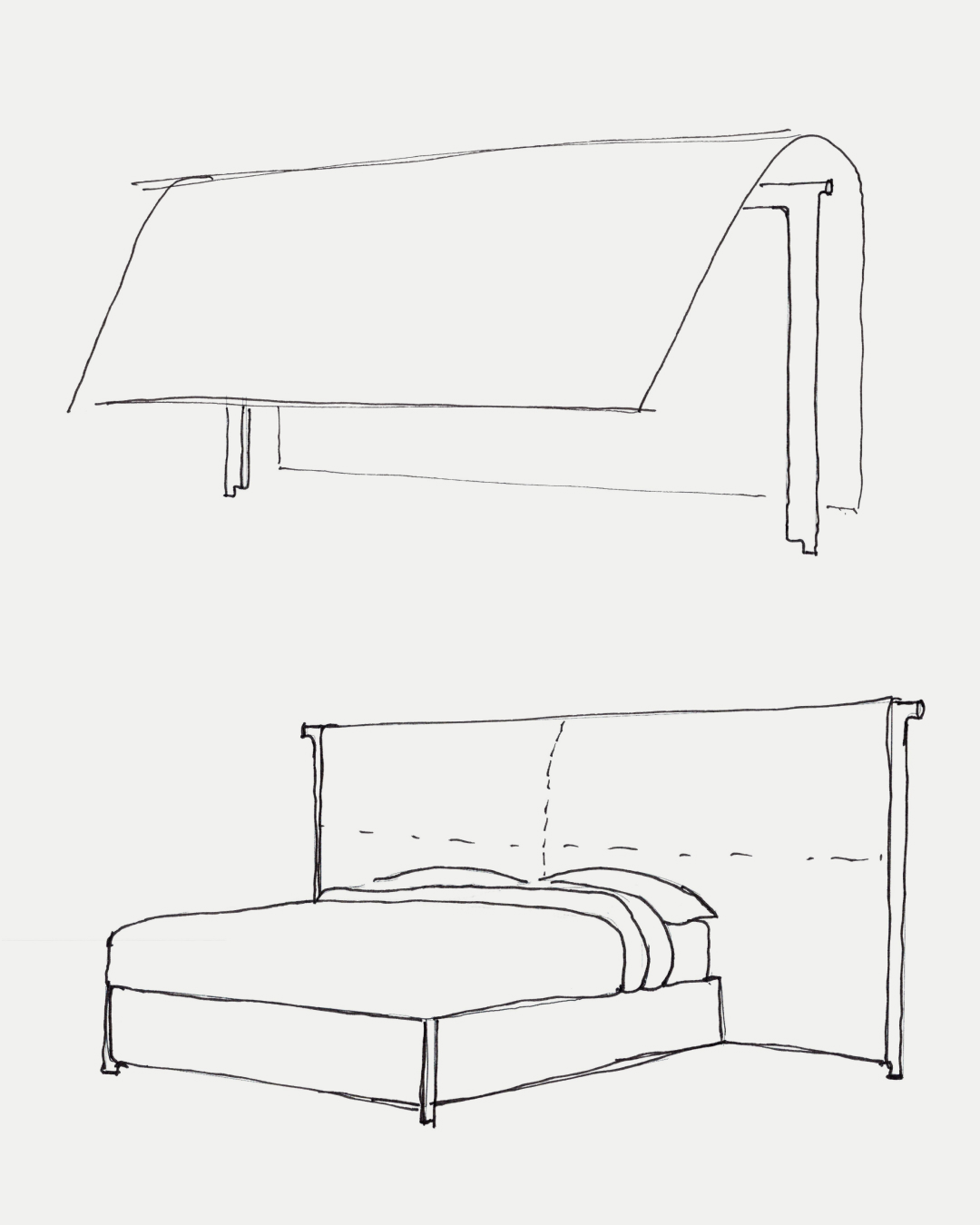
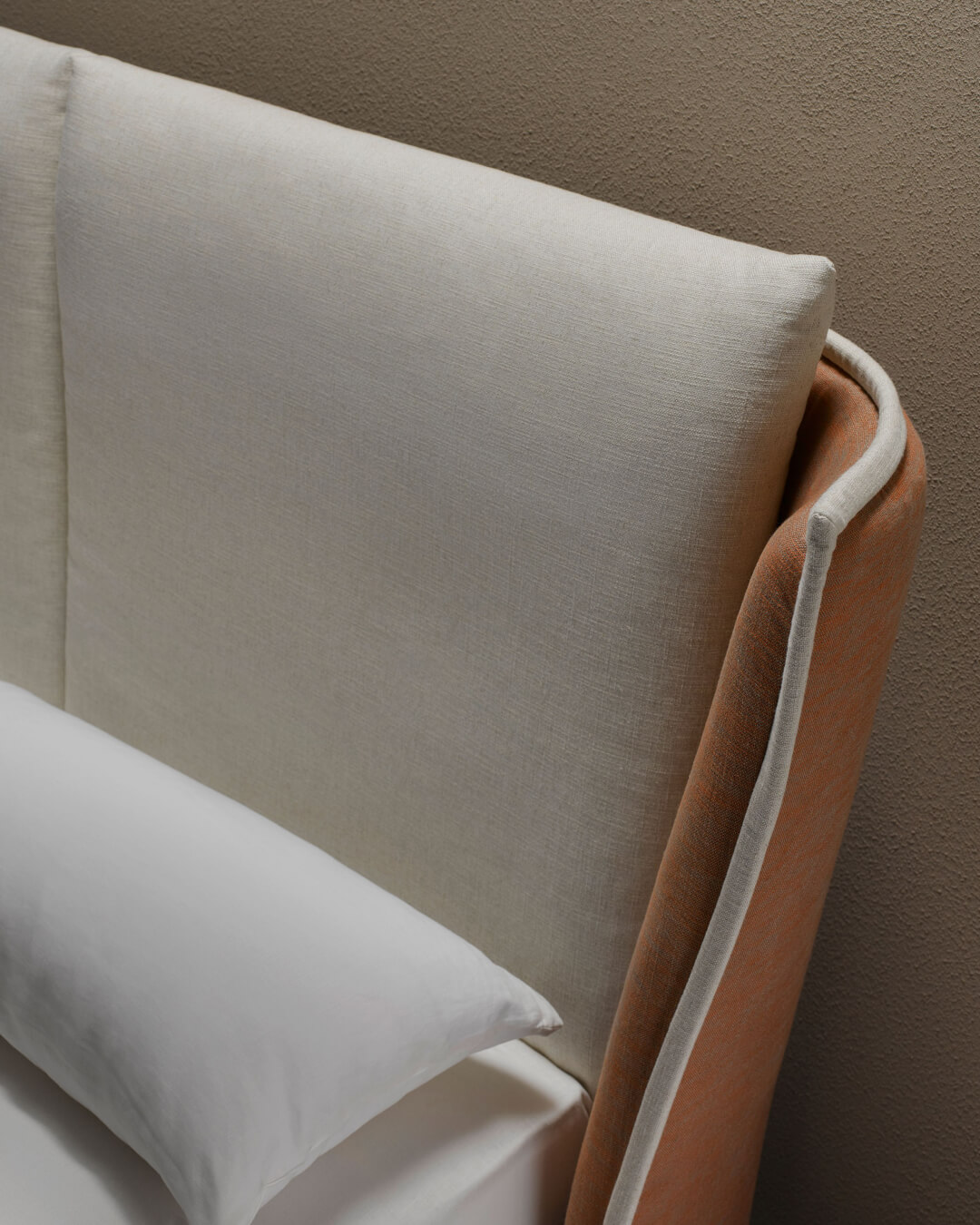
For Schramm, the true mission is the theme of “sleep,” and this is reflected in the attention they devote to every single detail: from the From the production of mattress springs to the carpentry, right down to the choice of fabrics and the attention to stitching. All of these things fascinated us. We immediately established an excellent relationship with the people in the company, and from there, a dialogue began that later translated into the creation of five beds.



Another long-standing collaboration of yours is with Stelton: what did this company in particular convey to you?
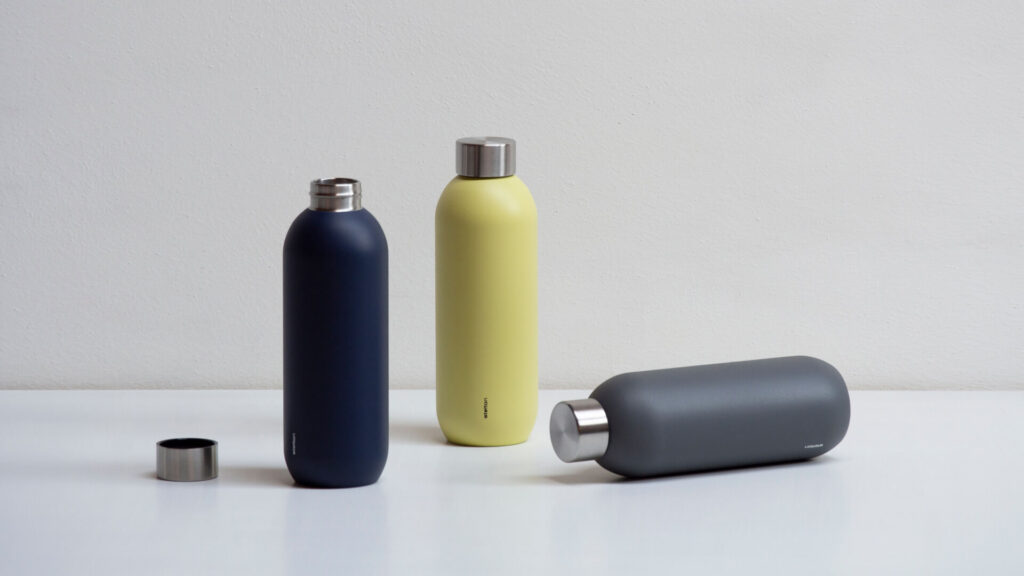
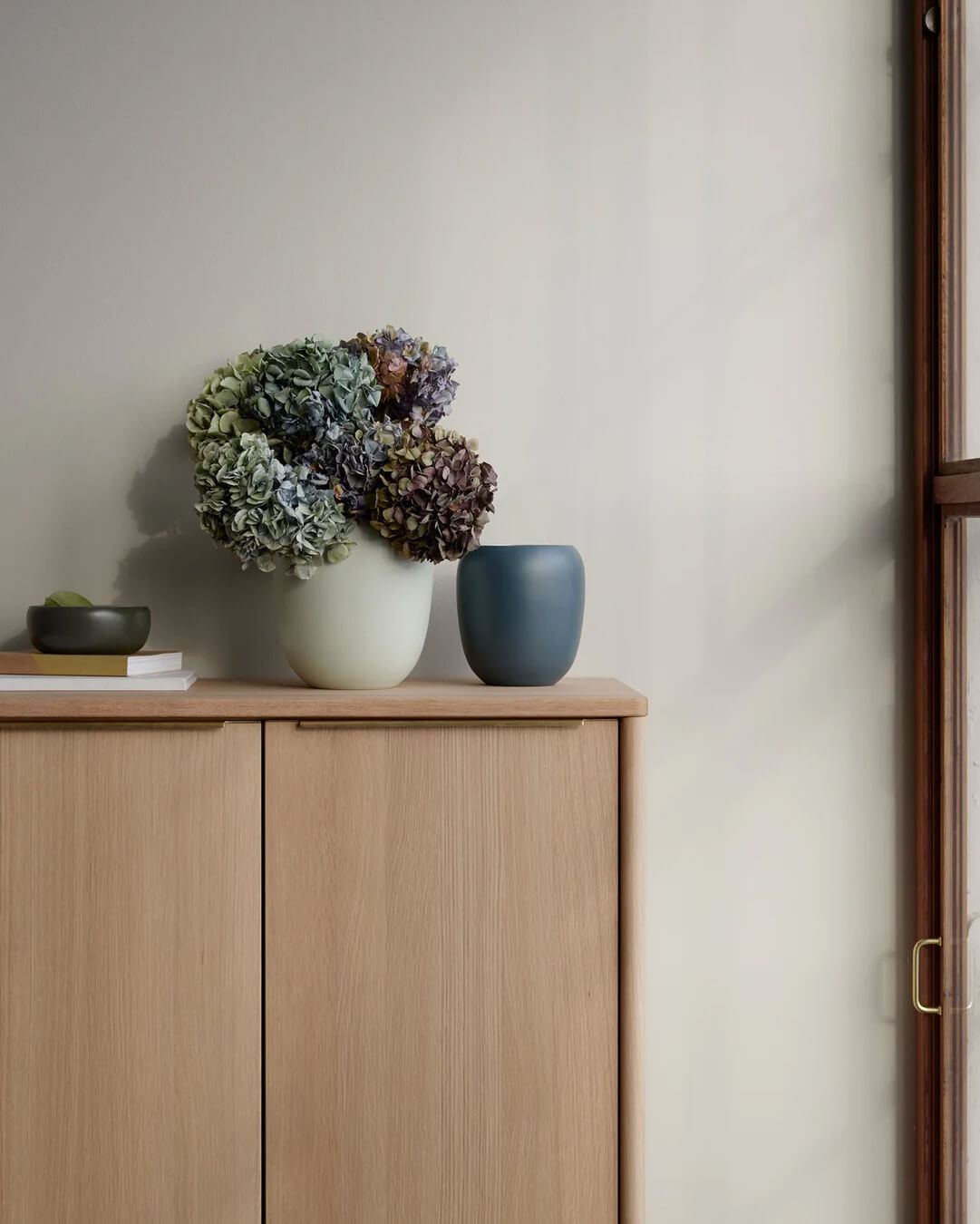
DD: Stelton has always been our “dream” company, ever since we were in university. Magnussen and Jacobsen’s designs, unmistakable yet with a twist, have always been a part of our daily references. One day, we decided to contact them and introduce ourselves. Shortly thereafter, we were already developing our first collection together, “Collar,” designed to celebrate the ritual of preparing and drinking coffee, a theme dear to the company. The “Collar” collection expanded to other product types (teapot, thermos, tealights, etc.), and subsequently, new collections and products were born in other areas: Ora, Fjord, and the bestseller Keep Cool.