

Discover our e-shop and access a digital catalogue of over 40.000 design products.
Go to shopSpring Days | Use the coupon code SPRING15 to get 15% off on purchases starting at 480€ and SPRING20 to get 20% off on purchases starting at 4800€
Discover our e-shop and access a digital catalogue of over 40.000 design products.
Go to shop4 October 2021
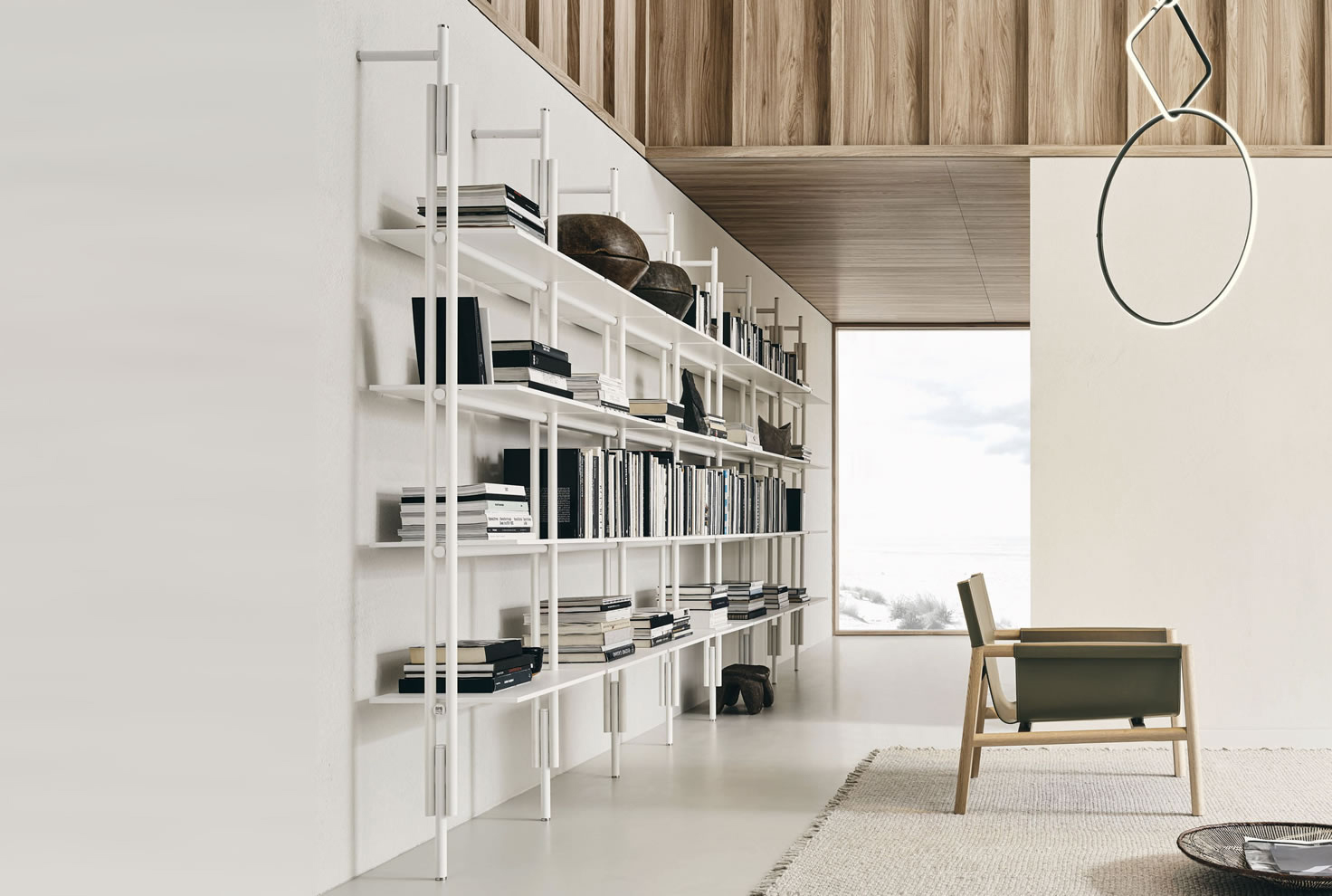
The bookcase is not a simple piece of furniture but a real architectural element to be chosen and integrated with care
The bookcase is a piece of furniture that can determine the atmosphere of the living area. It is an element of important dimensions, which therefore stands out and “dresses” the space in which it is inserted. Uprights and shelves perform the precious function of accommodating books and objects in a visual composition that affects the overall decoration. It is a piece of furniture that allows you to customize the space by inserting volumes and accessories dear to us, bringing warmth and atmosphere. To fully experience and enhance it, it is appropriate to integrate it with some elements, such as the right light and the right seats. This is why it is important to approach the choice through a wide-ranging design that involves the entire area in which it will be inserted. It will be the place to relax by reading, or chatting with a guest with the reassuring background of the books. We see below a selection of iconic bookcases and some ideas of accessory elements to complete them.
Bookcases like walls that come to life

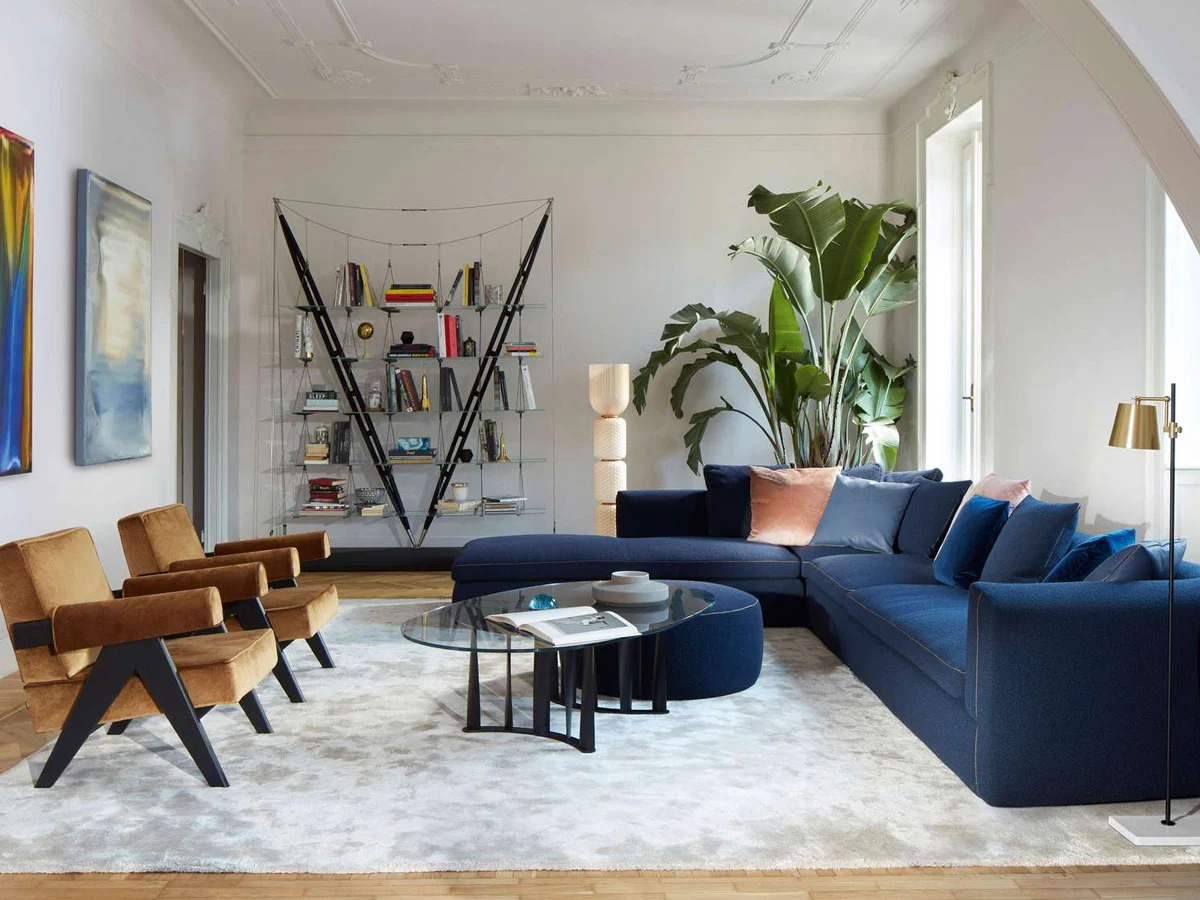
Discrete and imposing, the bookcases dress the walls and sometimes replace them becoming dividing elements. This is why they are similar to architectural components much more than furnishings and for the same reason they require a high level of care and awareness in the choice phase. Veliero, is the bookshelf designed in 1940 by Franco Albini for his own house and produced, starting from 2011, by Cassina. The name is a visual promise, because its structure evokes the image of a sailboat: in the center two ash wood rods dictate the rhythm of the design. The shelves are anchored to them through a system of tie rods. It expresses itself at its best in the center of the room but is also perfect on the wall.
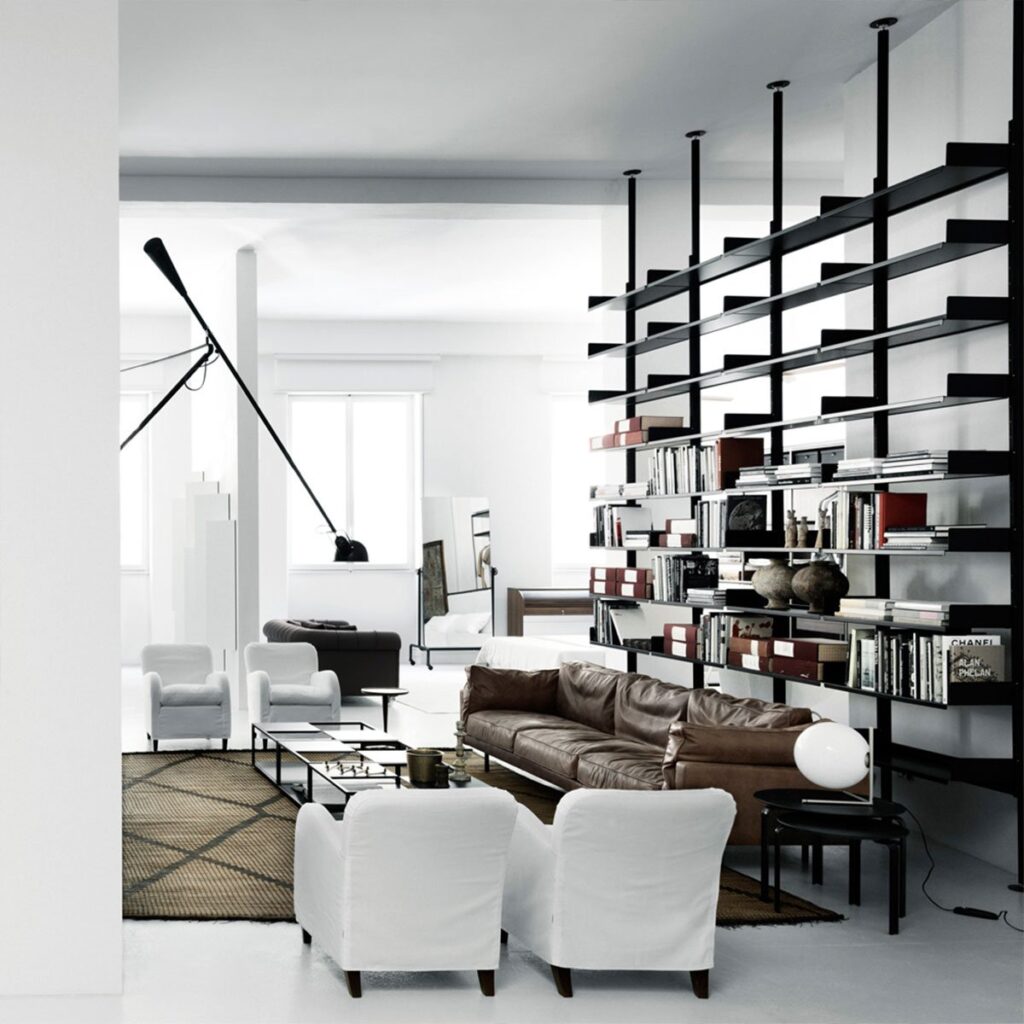
The Jack modular system by Michael Anastassiades for B&B Italia (on the cover) can assume various configurations which also include optional storage elements. The design is essential and strongly characterized by the uprights, anchored to the wall or floor. DePadova proposes the 606 system: it is a project characterized by formal rigor, extreme functionality and visual discretion. Precisely for this reason it is an ideal background for the living area where it can be inserted both on the wall and as a dividing element. Finally, sophisticated and minimal, Red Baron is the modular bookcase designed by Piero Lissoni for Knoll. It is characterized by the side elements that can be in tempered glass or chestnut wood and is available in four different sizes.

Lights and seats complete the library area
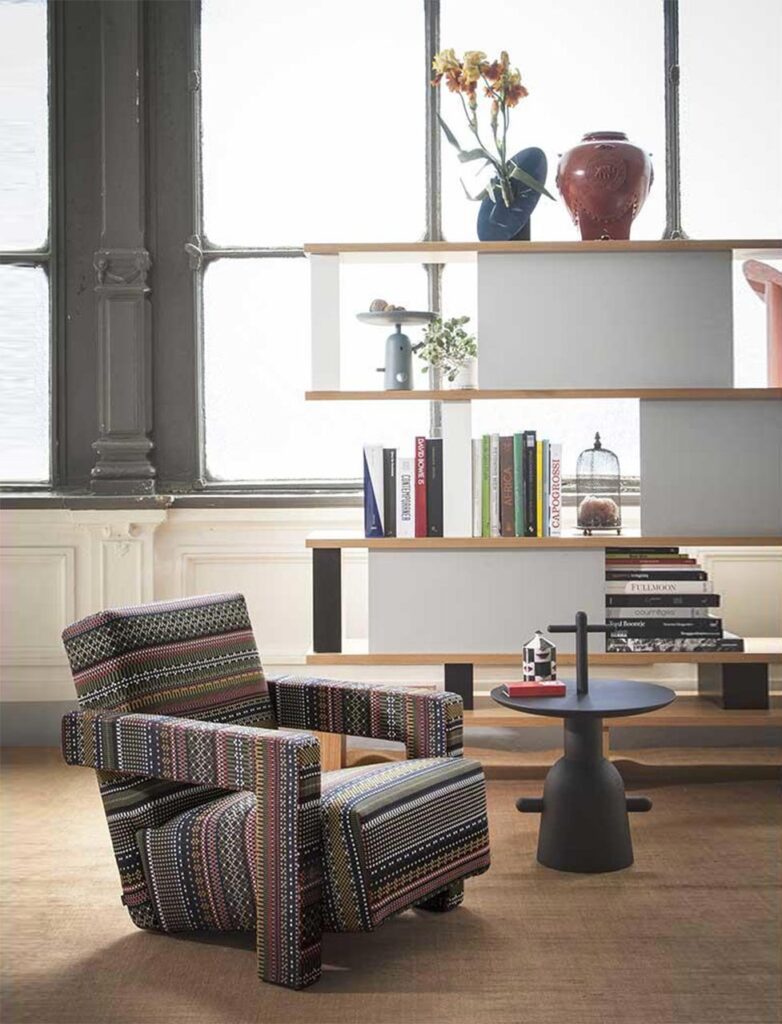
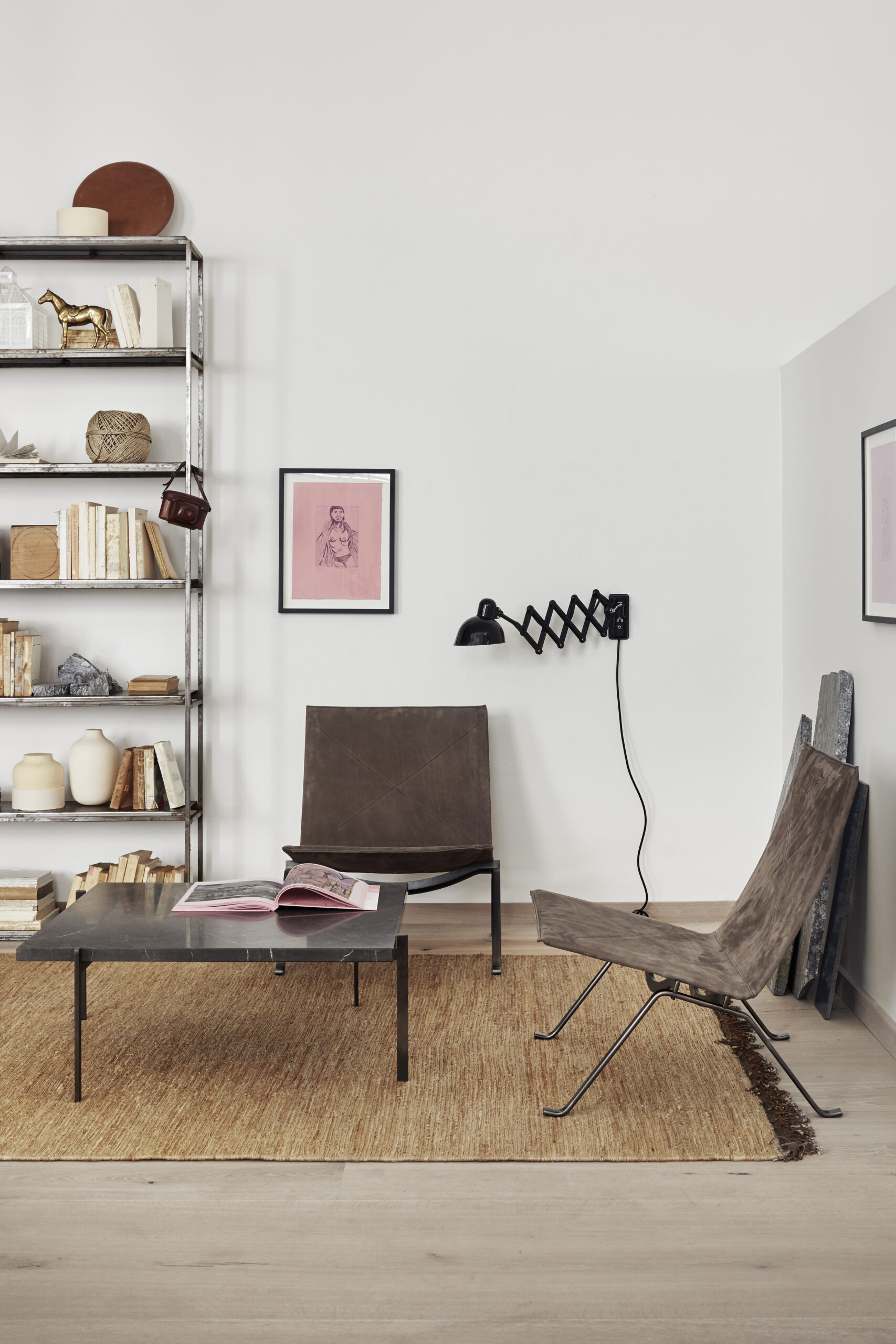
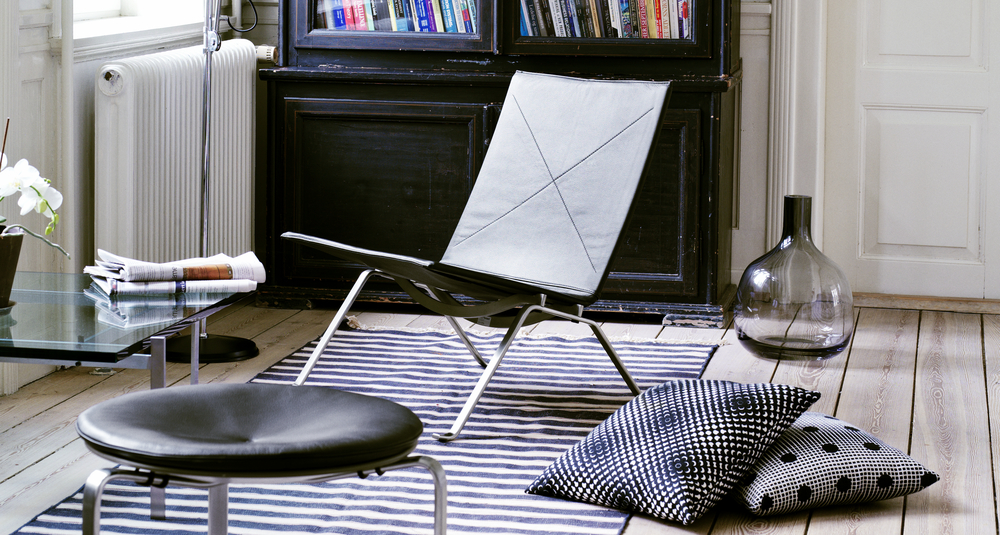
What makes the library area elegant and welcoming? There are at least two fundamental elements to complete this space and they are the seats and the right lights. The seats must be comfortable, designed to accommodate moments of reading and conversation, but also to give character to the living area in which they will be placed. An example is the Utrecht Point armchair by Cassina in collaboration with Mohd. The armchair is the right size and in this limited edition it is upholstered with a fabric designed by Paul Smith. More essential but equally suitable for the library area is the Pk22 by Fritz Hansen: designed in the 1950s by Poul Kjærholm, it is still extraordinarily current, an authentic icon of Danish design.

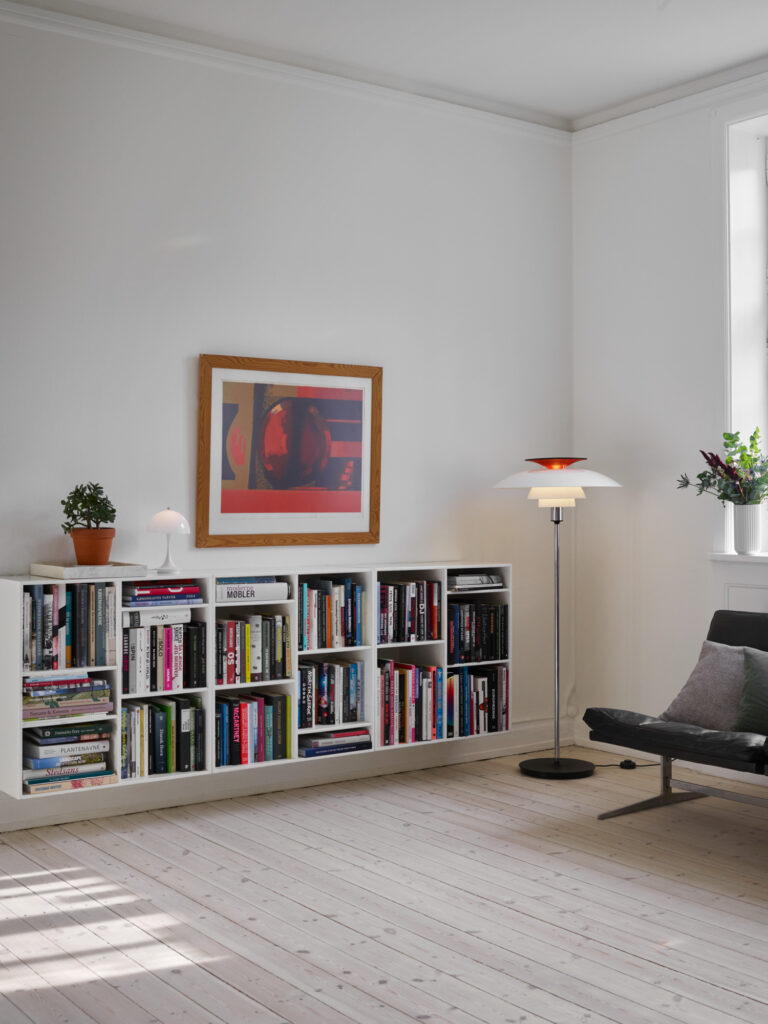
Finally, light is an element that plays a functional and decorative role: it illuminates our readings, the most beautiful objects and volumes housed in the bookcase, it helps to create the right atmosphere. An interesting solution is that of portable and rechargeable lamps: among these the Panthella is an excellent example of an icon translated into contemporary language. The design is that of Verner Panton‘s original project, the technology allows you to move the lamp, without wire, according to the situation. Finally, creative and poetic is the Oskar book holder by Ingo Maurer, which finds its ideal location in the bookcase.