

Discover our e-shop and access a digital catalogue of over 40.000 design products.
Go to shopFrom Inspiration to installation. Discover Mohd Interior Design Studio
Discover our e-shop and access a digital catalogue of over 40.000 design products.
Go to shop8 August 2026

From the birth of OliveLab to the value of light as a project material: Giulia Liverani discusses research, experimentation, and conscious design.
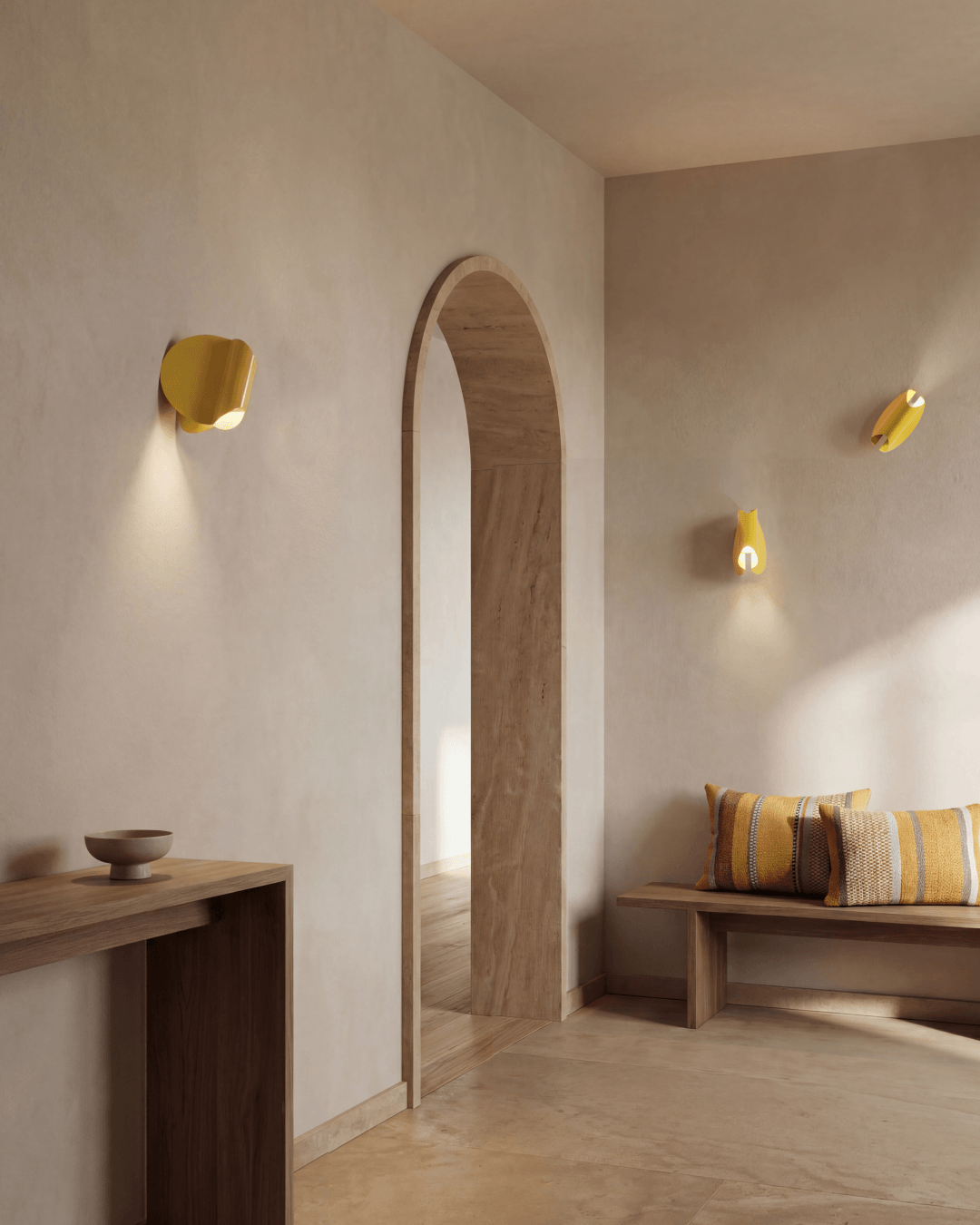
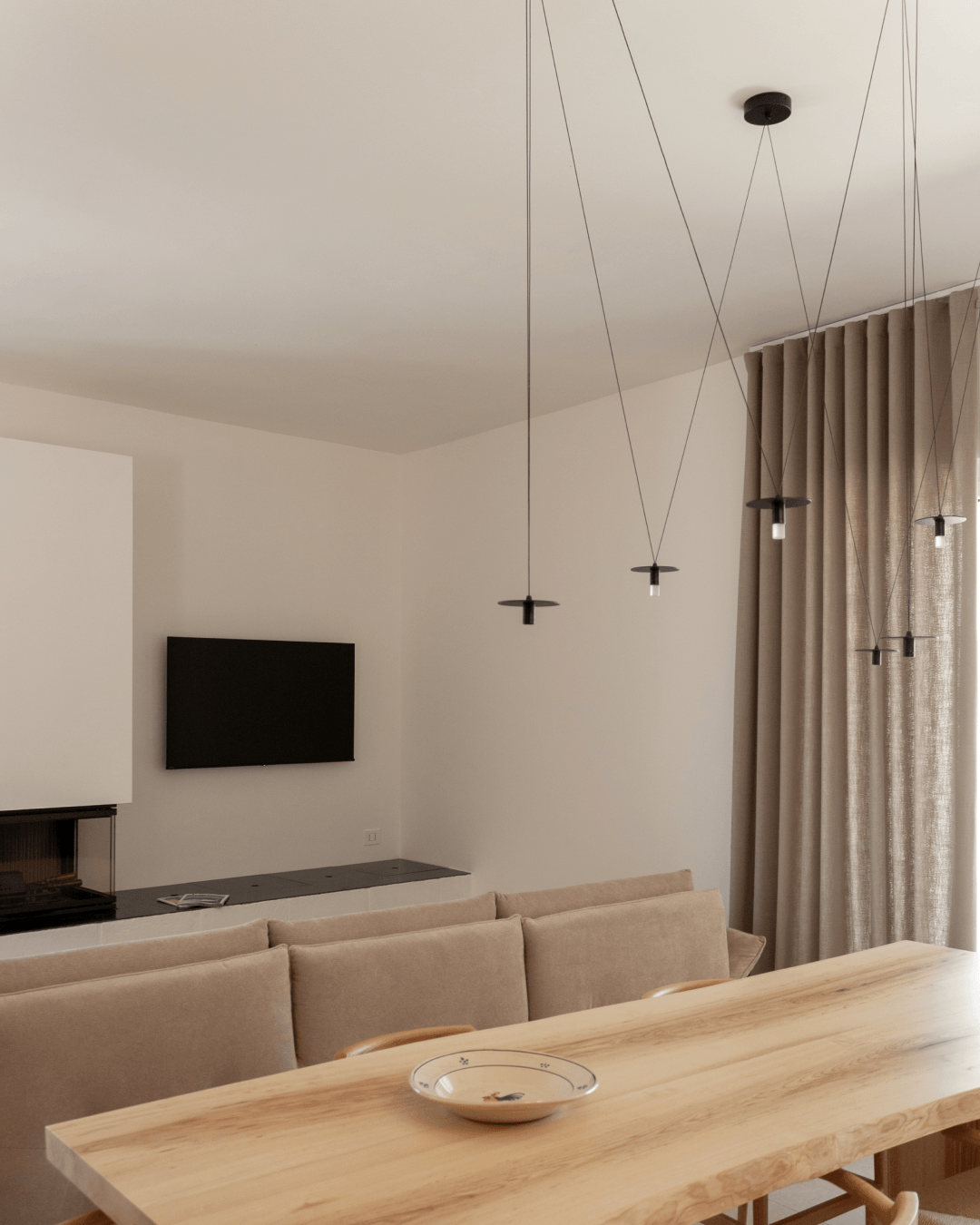
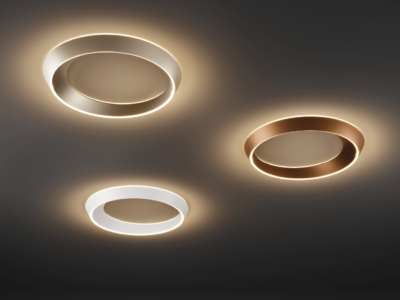
For Giulia Liverani, light is not simply a tool for illuminating spaces, but a true project material, capable of generating emotions and redefining the relationship between people and environments. After training in Italy and the United Kingdom, based on experimentation and direct work with materials and prototypes, she and Marco Signoretto created OliveLab, a brand that interprets lighting design through a simple, innovative language deeply rooted in research. In this interview, she discusses the birth of the brand, the value of making, the role of light in everyday well-being, and the responsibility that design is called upon to assume today.
Interview conducted in Italian – English translation and editorial adaptation.
Your career path combines design, research, and a strong sensitivity for materials and light. Which educational experiences have most contributed to shaping your approach to design?
My first real breakthrough came in my third year of university, studying product design: I had the opportunity to participate in IN Residence, a week-long workshop that puts you in close contact with internationally renowned designers, trained at different universities and with completely different approaches than mine. From there, I developed a desire to see the world of design from a different perspective. I chose the Master’s in Product and Space Design at Kingston University in London precisely for this reason, for the labs: enormous, with countless machines and materials of all kinds available. Here, I could spend hours prototyping, experimenting, trying and trying again to create something. Exciting. It was then that I realized that, for me, design comes from the hands, not just from drawing. But if I look even further back, the first spark came from my dad, an electronics engineer: he was the one who taught me how to solder the first cables and make the first connections. Without knowing it, he literally gave me the tools I use to work with light today.
With OliveLab, you’ve created a project that intertwines design, craftsmanship, and experimentation. How did the brand come about, and what need or intuition drove you to create your own design language?
I approached the world of light during my master’s degree in London: that’s where Sun Memories was born, a lighting system capable of recording your memories of light—a sunset, a trip, a special day—and bringing them into your home through a lamp. It was my first real encounter with light as a design material, and I immediately understood one thing: for me, light is wonder, and I wanted to convey the same feeling to those who interact with my objects. I’ve always believed that light is a true material with which to create, something the user can interact with to better experience their space. In a saturated sector like lighting, the intuition behind the creation of OliveLab was to still find space for innovative, unique, and unusual products. And that’s what we continue to search for, project after project.
Light has a profound impact on our well-being and the way we experience spaces. As users, what aspects should we keep most in mind when choosing a lamp for our home?
I don’t think there’s a universal recommendation, because everyone has different needs: those who work from home need different lighting than those who simply want a corner to relax in the evening. What applies to everyone is to keep in mind that lighting isn’t an accessory: it’s a tool that allows us to enjoy our spaces and feel good while doing so. For this reason, it should be chosen with the same care as everything else, not at the last minute, as a detail to be added to the finished project, but as an integral part of the architectural design from the very beginning, because lighting performs so many functions, all of which are important.
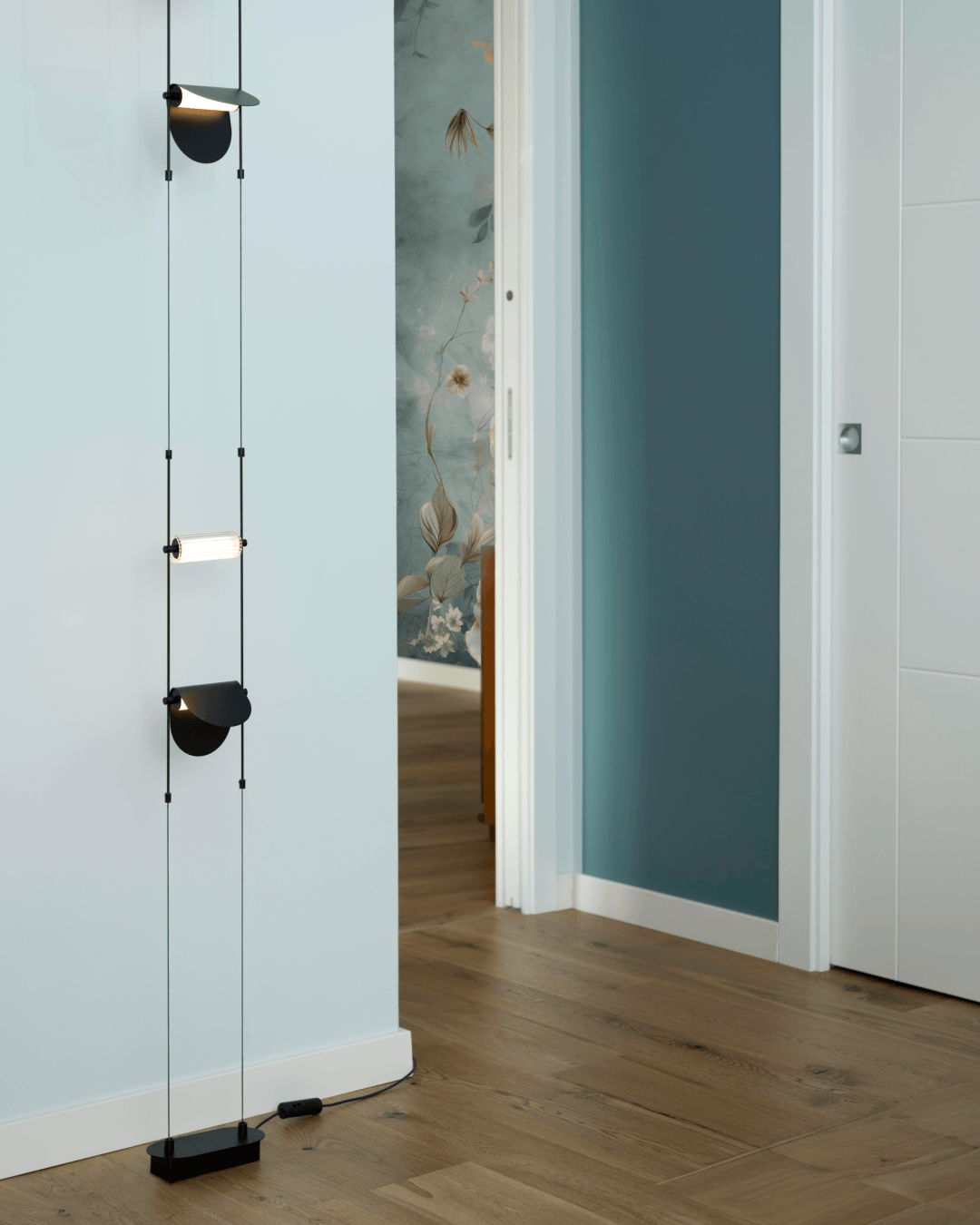
OliveLab’s lamps seem to arise from a dialogue between function, material, and emotion. How does a new project take shape? Where does the idea begin, and what are the phases that lead to the finished object?
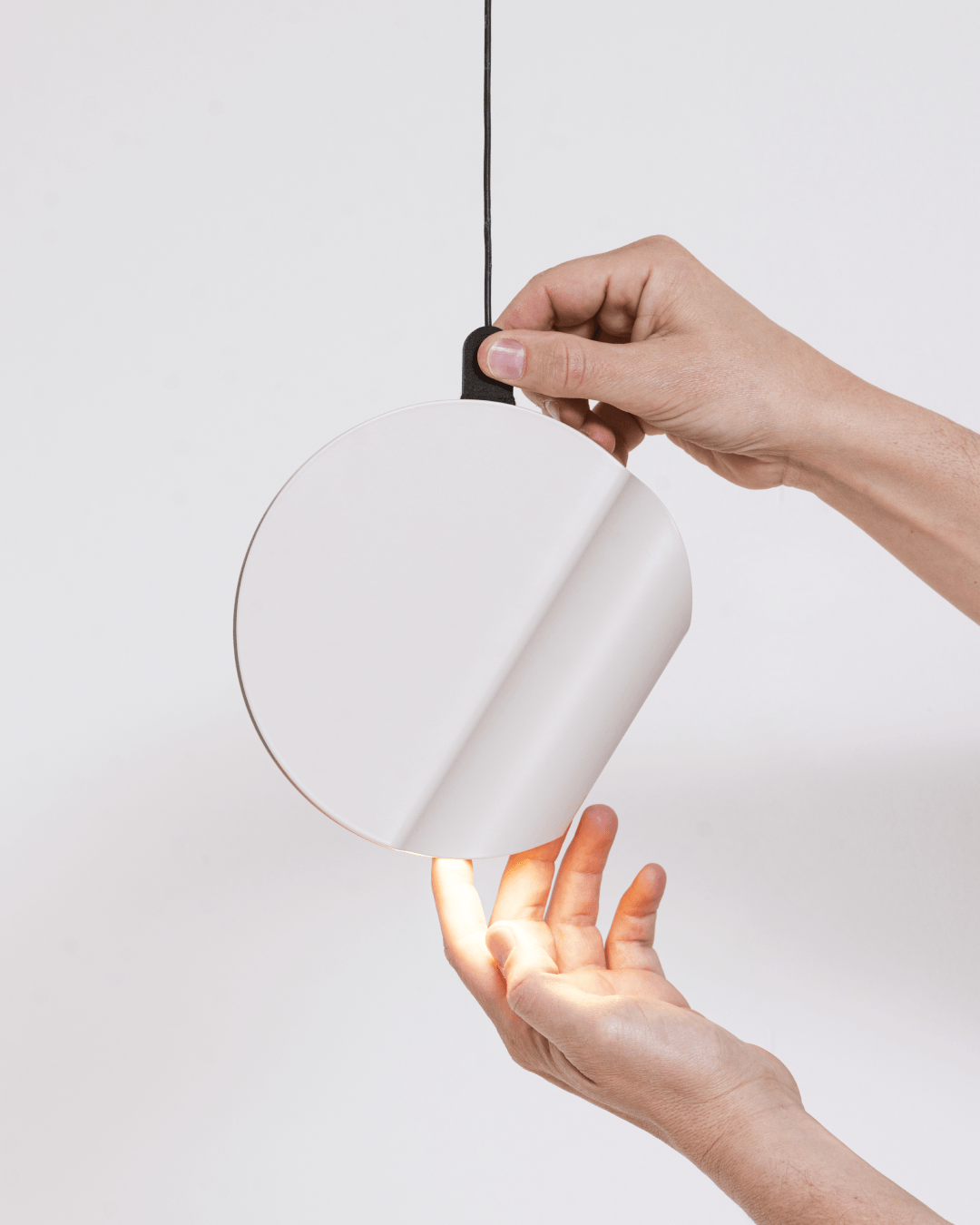
It depends; there’s no single starting point. Sometimes it’s a technical challenge, like with Opla, where I wanted to create a pendant that rotated 180 degrees. Other times I start from a feeling, or from a material that intrigues me and that I want to fully understand. The new collection, which will be released next year, even originates from the pages of a book: I don’t know yet where it will take me, but some sentences, in their simplicity, struck me so much that I felt the need to transform them into objects. Once the idea is found, we enter the concept development phase, and this is where the prototyping begins: it’s about understanding how a material responds to a stress, or how a certain light effect, a particular reflection, is generated. Then comes the most difficult part: giving shape to the idea, because the same idea can take a thousand different forms. I’m a great advocate of form follows function: I set myself technical constraints, essential characteristics that the product must have to perform the defined function well, and it is those constraints that define the form. Once the form is reached, we move on to the final prototypes, tackle the technical challenges, find production solutions, and enter the engineering phase: a phase of compromises, in which we must try not to distort the project, to bring it to life as we had imagined it.
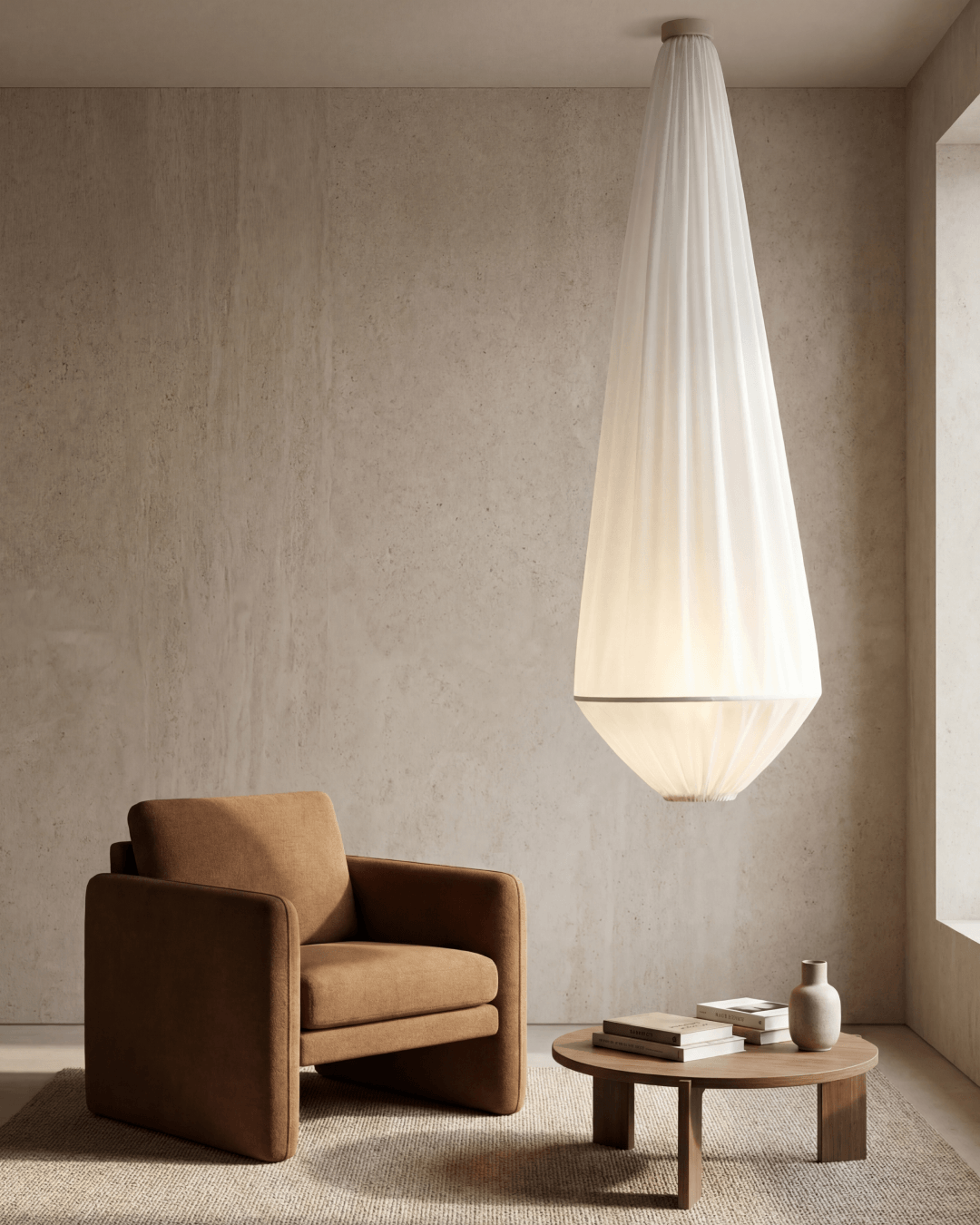

At a time when design is increasingly called upon to be sustainable and conscious, what responsibilities do you think a designer should take on today, and what contribution would you like to make through your work?
I have an anti-waste approach: I’m not in favor of buying excess, but of buying less, and what truly makes you feel good. I believe we designers have a responsibility to create durable, high-quality, modular objects, so that if something breaks, just that part can be replaced, without throwing away the entire object. It’s also important to develop products that can evolve over time, that adapt to their users: a component that can be changed or added, a finish that can be updated, a shape that can vary as the needs of those who live with them change. These are objects that aren’t thrown away when they no longer meet a need, but rather transform along with their owners. It’s difficult to talk comprehensively about sustainability in an electronic object like a lamp: electronic components, cables, and drivers are inherently complicated to make 100% sustainable. What I can do, and what I try to do, is work on what’s within my control: the choice of materials, repairability, modularity, and durability. It’s not the solution to everything, but it’s the responsibility I feel is mine.
Photo credit: Anna Brignolo
Related articles