

Discover our e-shop and access a digital catalogue of over 40.000 design products.
Go to shopFrom Inspiration to installation. Discover Mohd Interior Design Studio
Discover our e-shop and access a digital catalogue of over 40.000 design products.
Go to shop30 May 2026
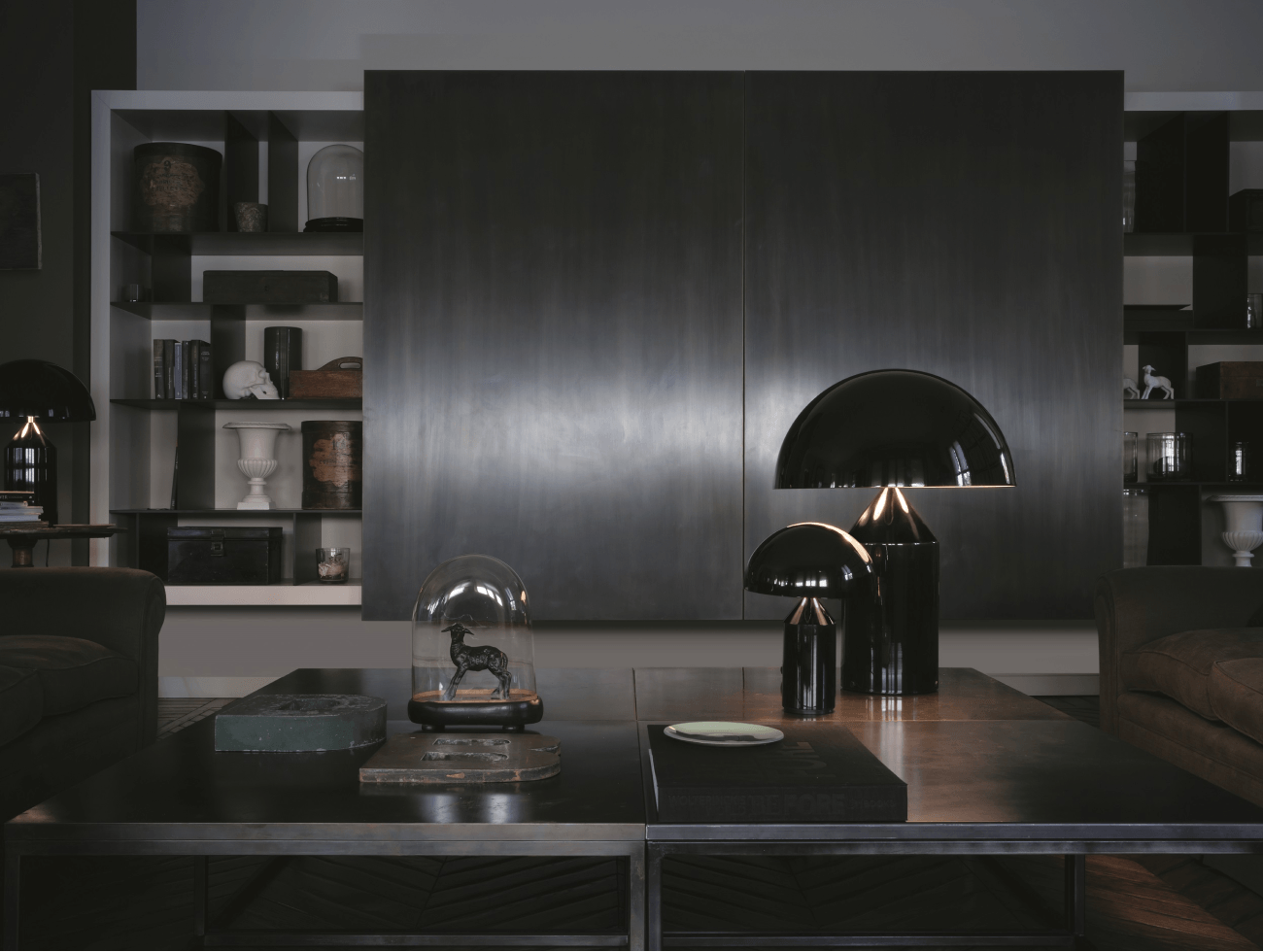
From the absolute geometries of Atollo to the visionary experiments of Joe Colombo, Oluce spans eighty years of Italian design, transforming light into an architectural presence capable of inhabiting time.
Oluce’s history intertwines with that of the designers who transformed the language of contemporary living. During the 1960s and 1970s, while Italian design explored new formal freedoms, the Milanese brand entrusted light to a rigorous research approach, far from ornament and close to the essence of form. Its lamps do not seek decorative effect: they work on the perception of space, on the relationship between geometry and atmosphere, and on the ability of light to become a silent, architectural presence.
The history of Oluce is intertwined with that of designers who changed the language of contemporary living. In the 1960s and 1970s, as Italian design experimented with new formal freedoms, the Milanese brand entrusted light to a rigorous form of research, far from ornament and close to the essence of forms.
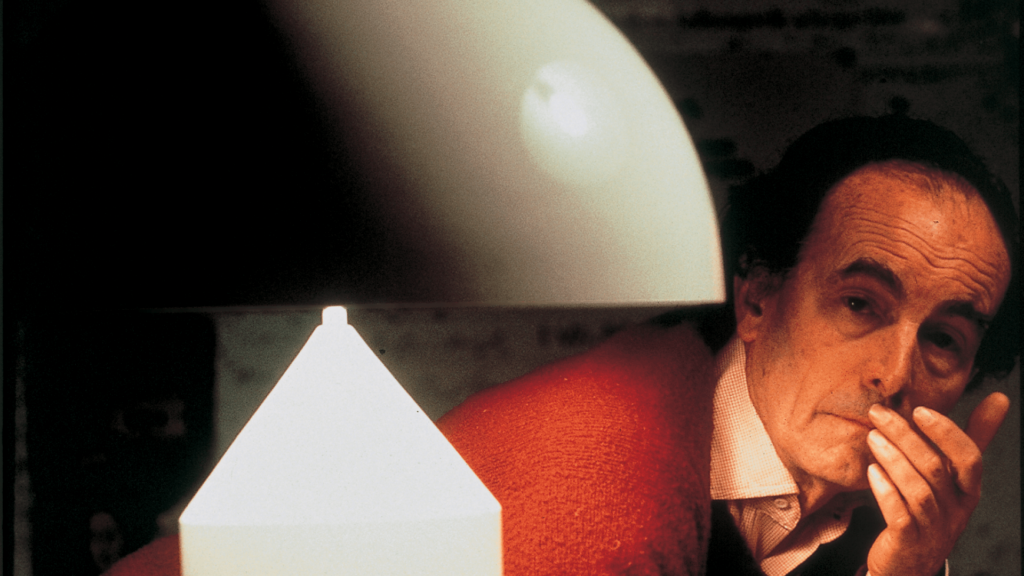
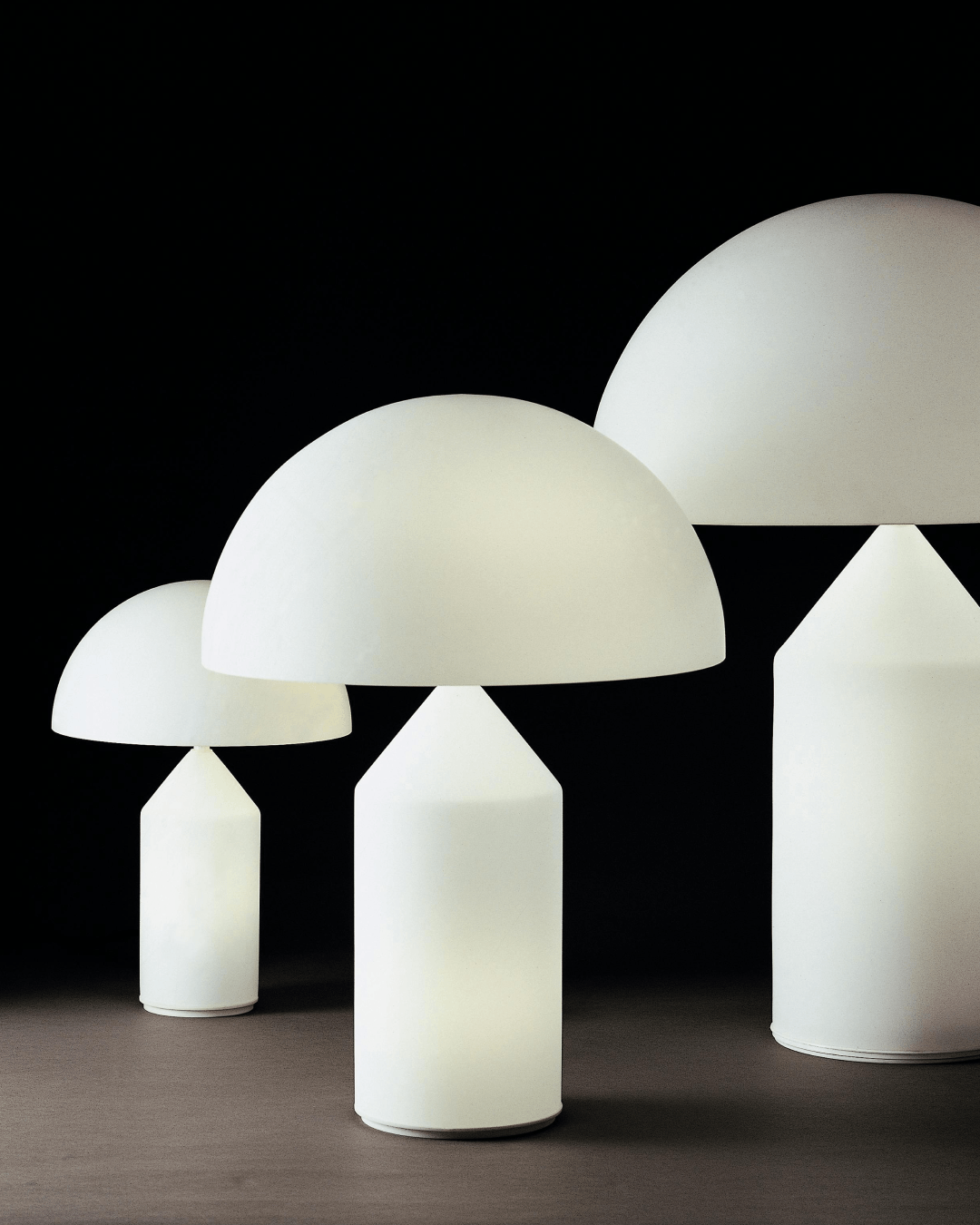
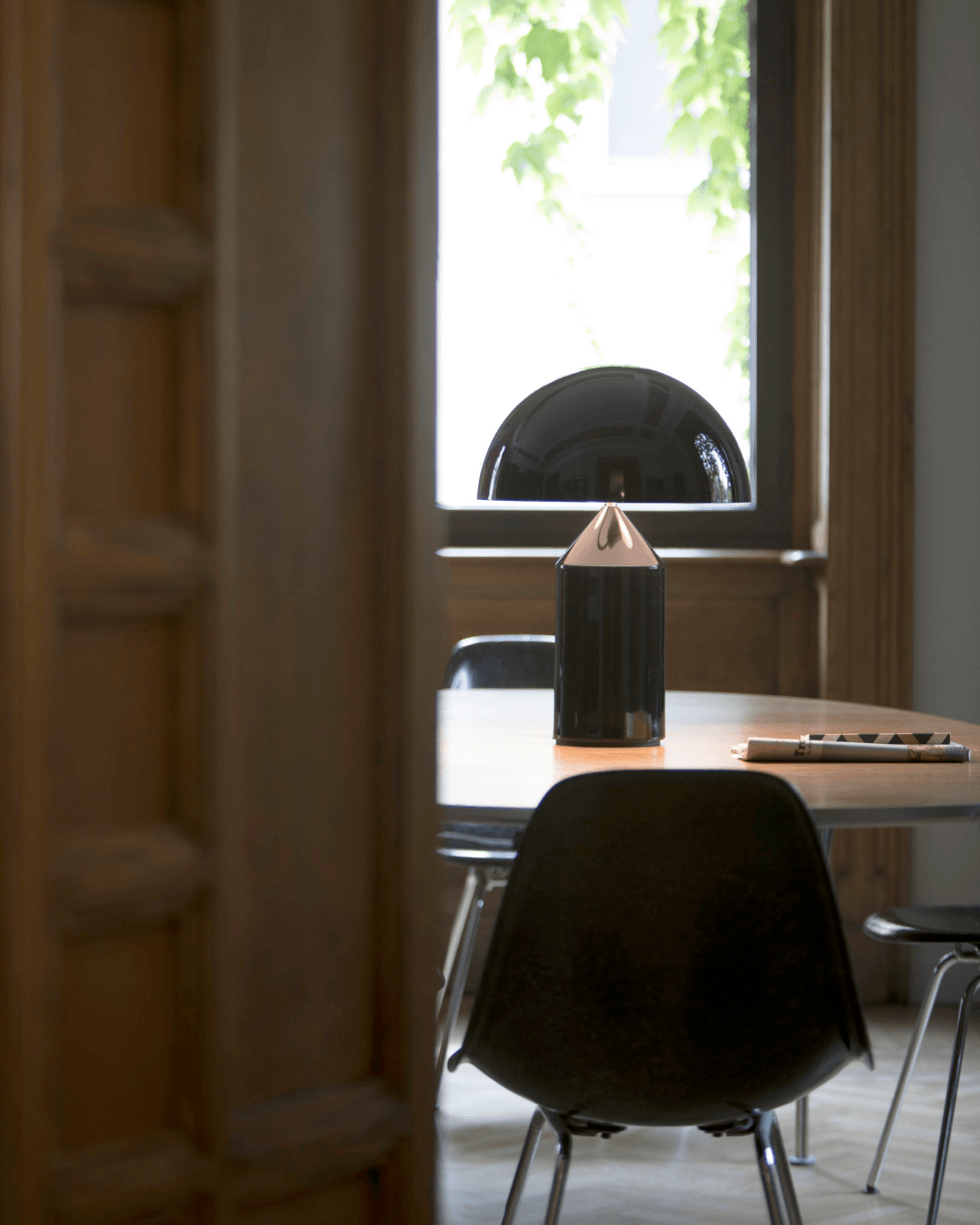
With Atollo, designed by Vico Magistretti in 1977, this research reached one of its most radical expressions. A hemisphere suspended above a cone and a cylinder is enough to create an object destined to transcend time. Atollo eliminates the superfluous and transforms geometry into atmosphere: light emerges naturally, grazing surfaces and bringing an almost metaphysical calm to interiors.
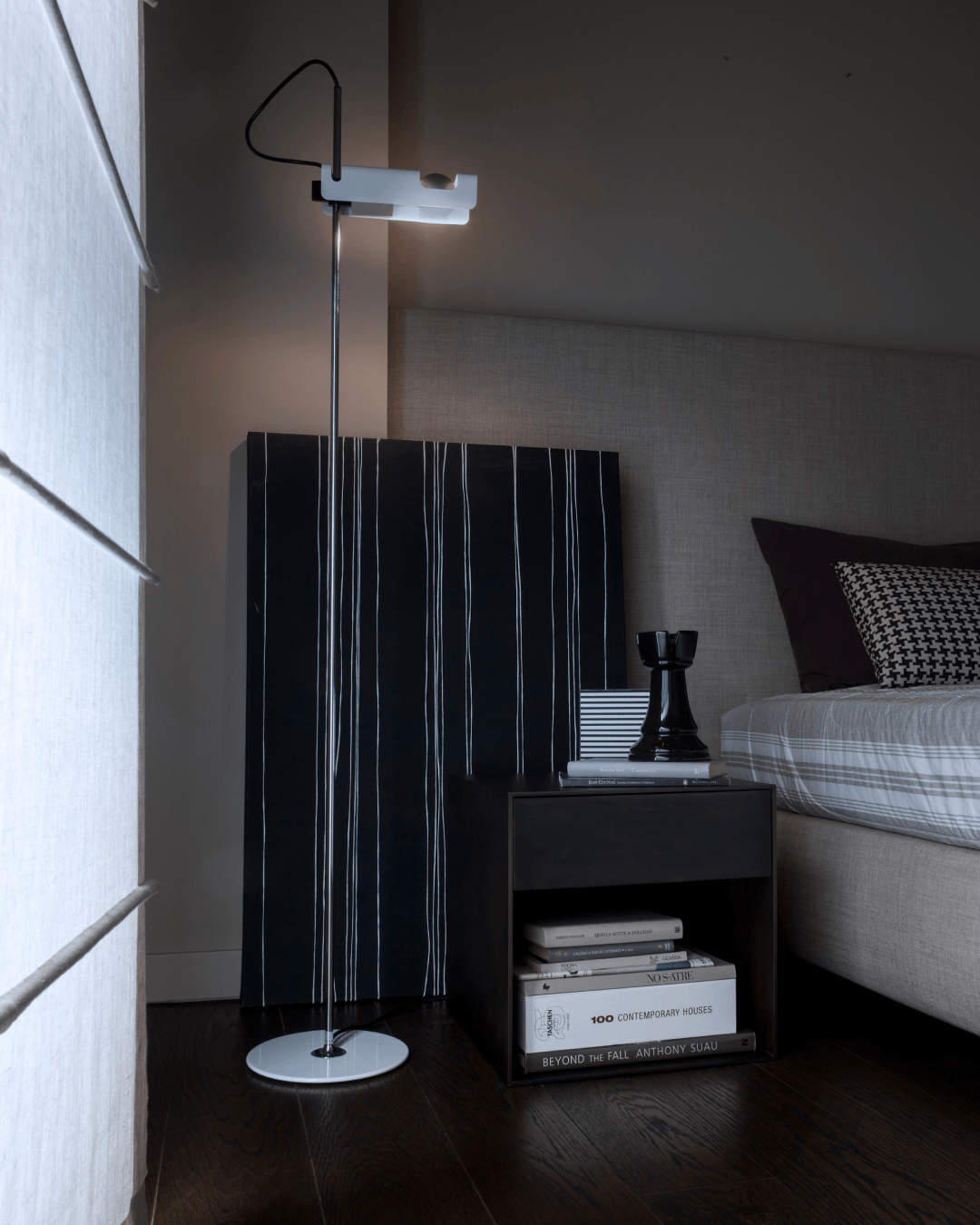
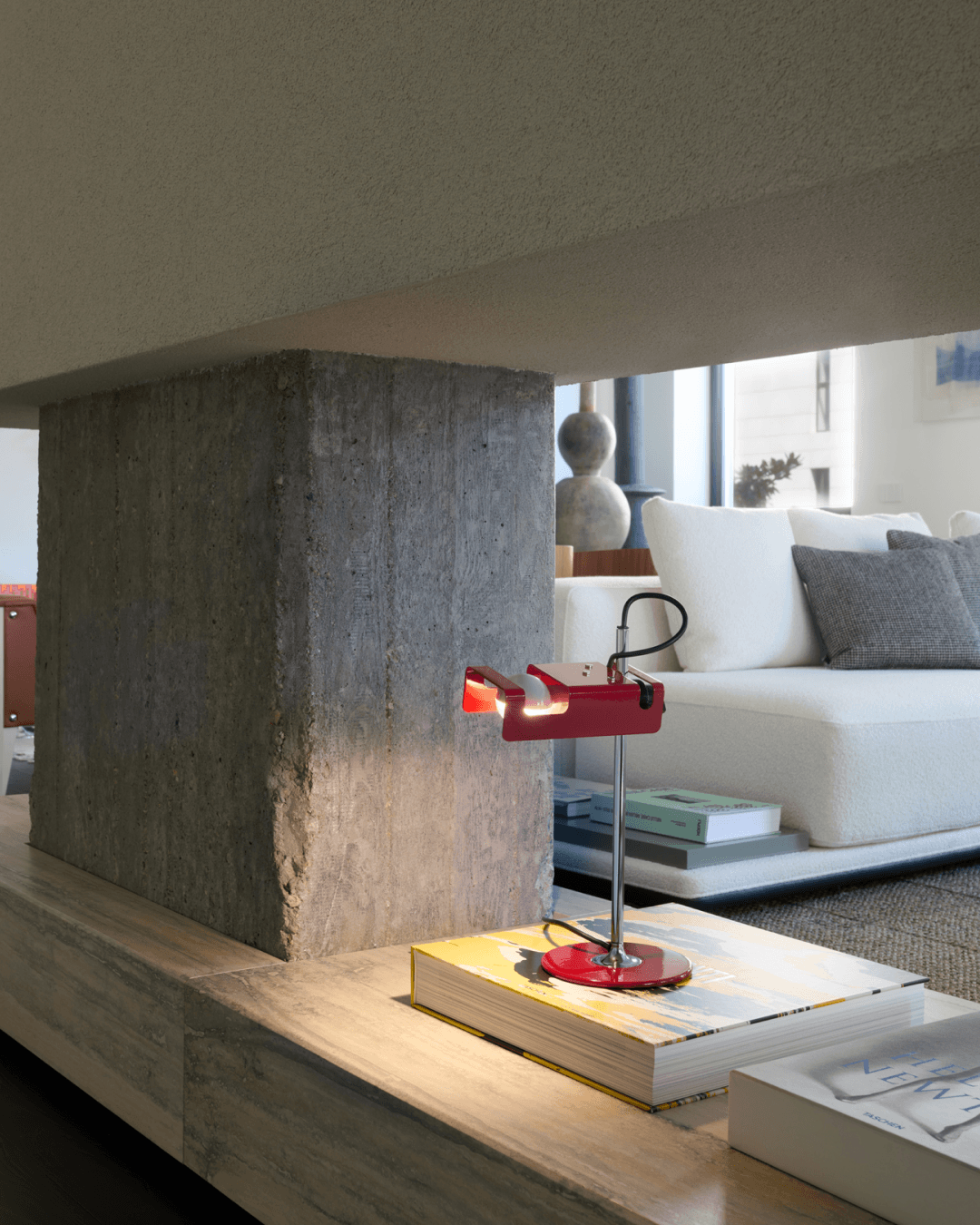
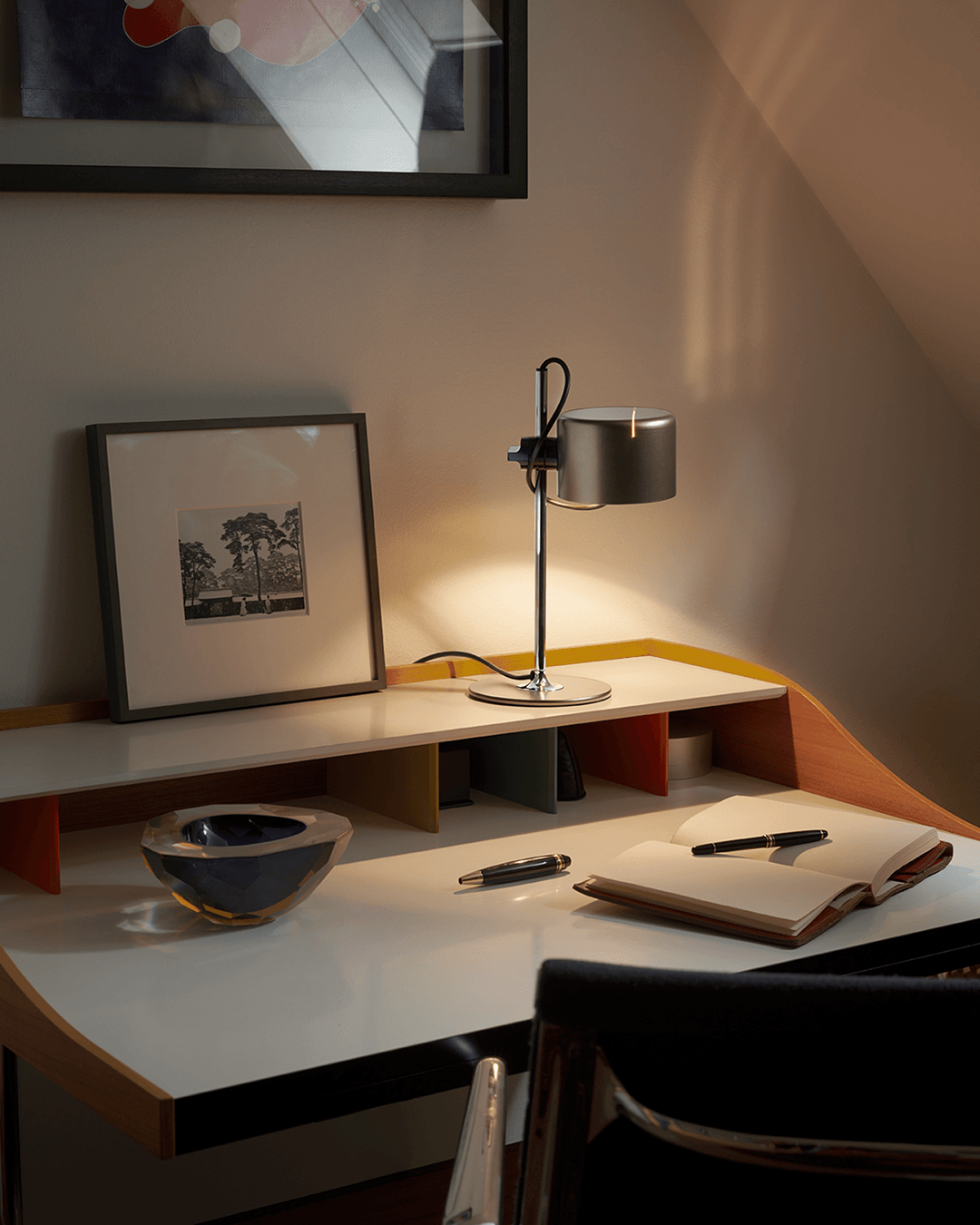
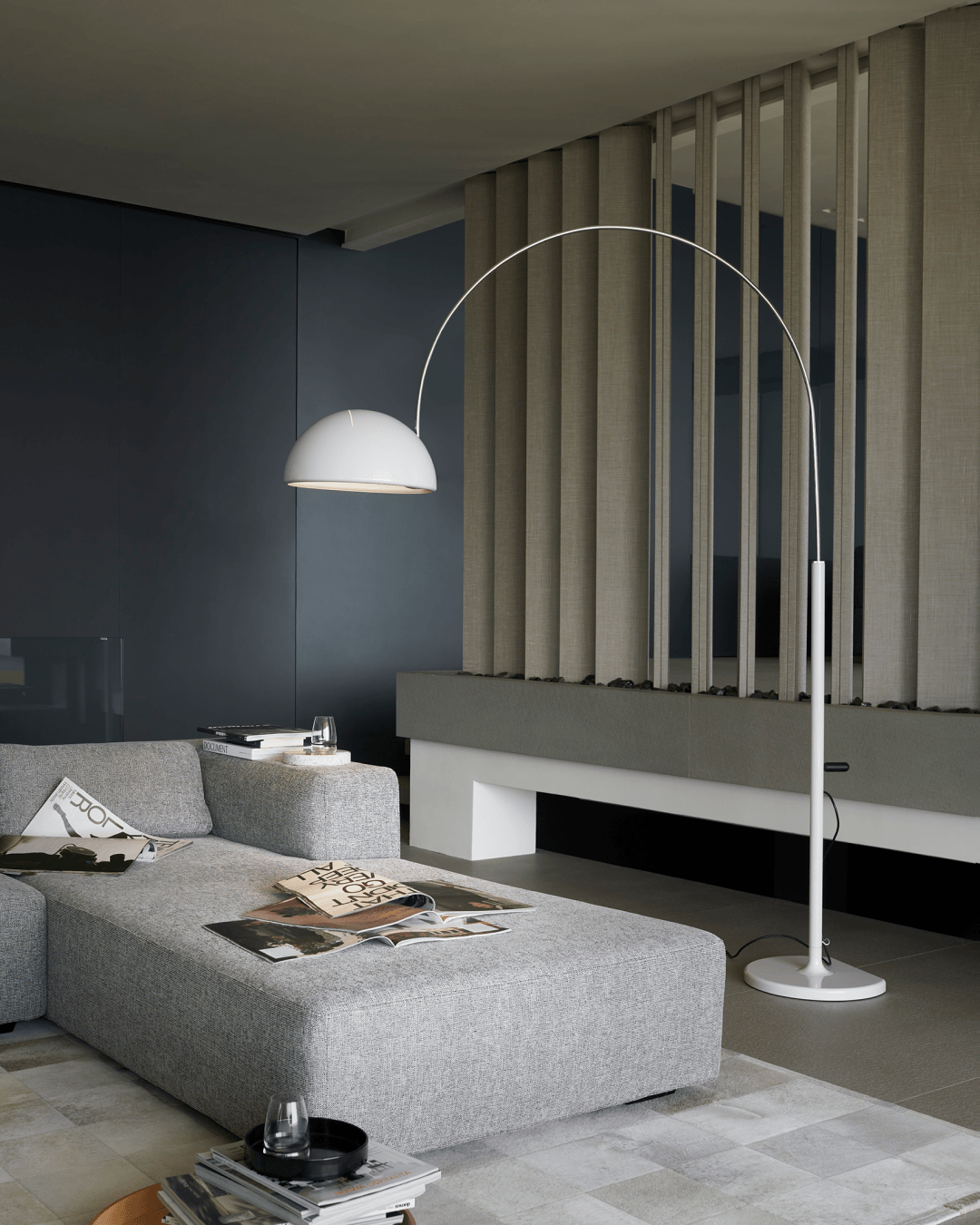
Alongside Magistretti’s rigour, Oluce embraced the experimental vision of Joe Colombo. Lamps such as Spider and Coupé introduced a more dynamic and technical idea of light: adjustable structures, industrial details, light proportions that seem to anticipate a future that still feels contemporary. Objects designed to move freely within the domestic space, adapting to everyday gestures without losing formal precision.
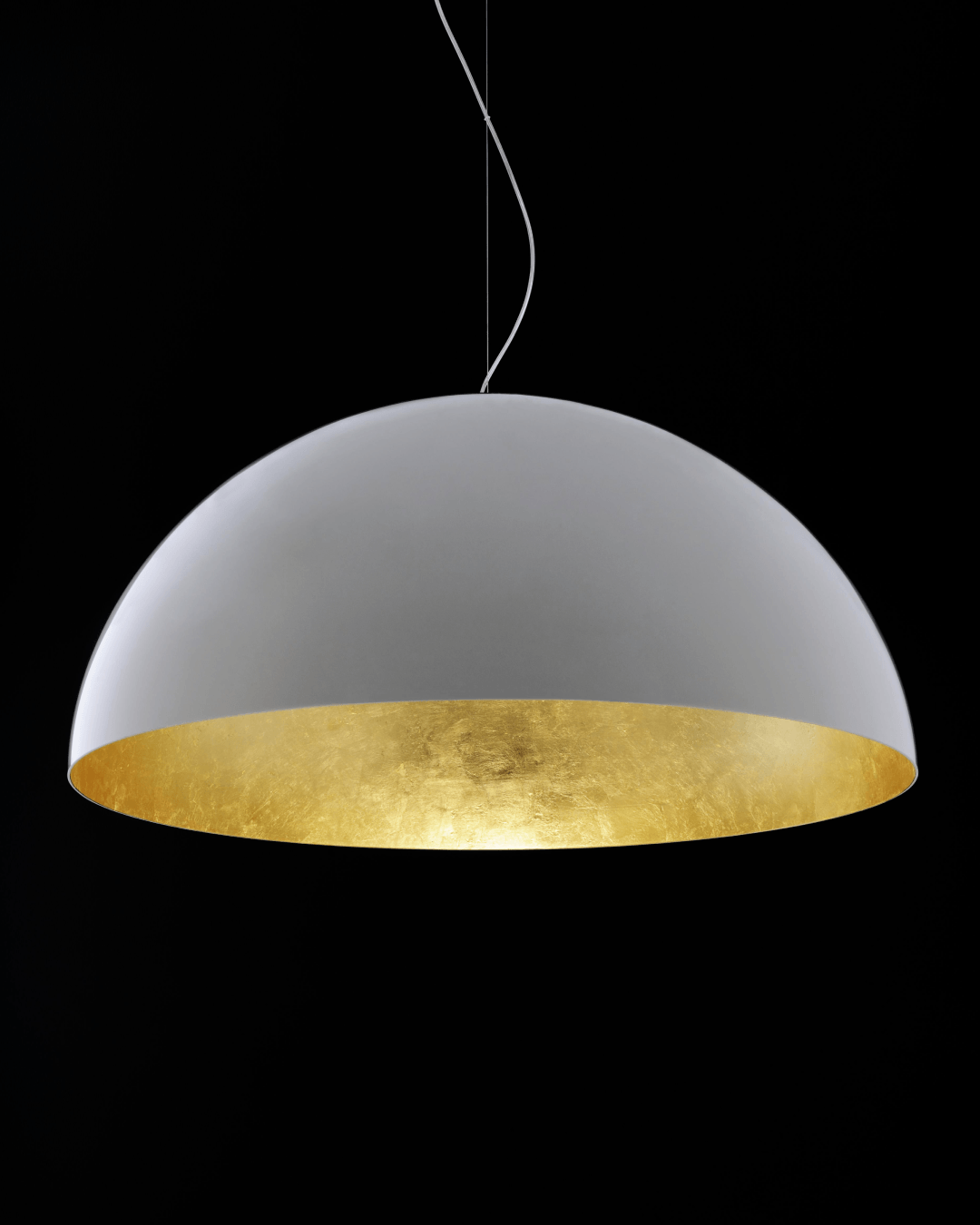
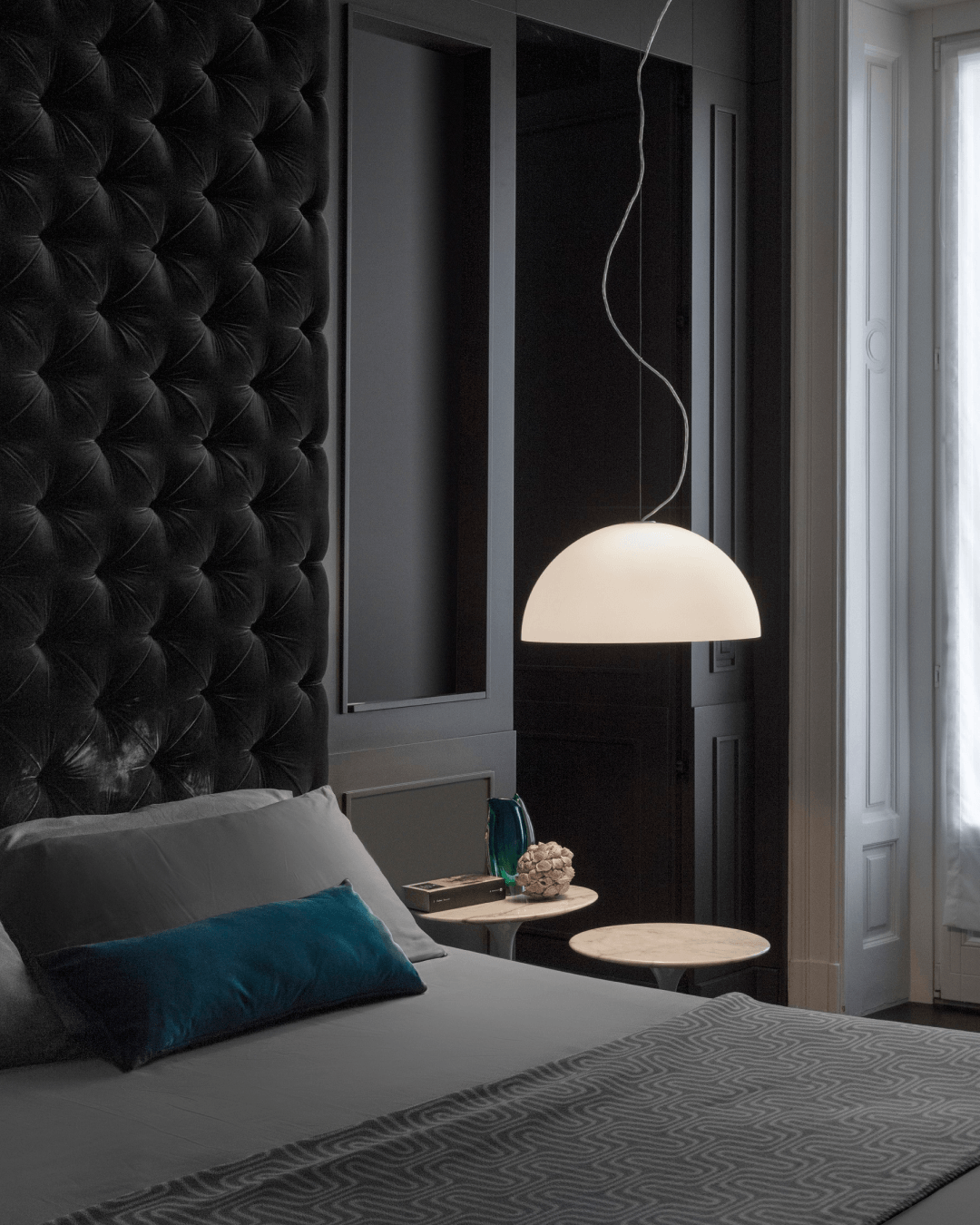
In its suspension lamps too, Oluce works with the archetypal strength of silhouettes. Sonora floats in space with a presence that is both soft and monumental, transforming luminous volume into an element capable of redefining the architecture of the room.
Oluce icons remain relevant not because they have been preserved over time, but because they continue to inhabit the present with natural ease. In a landscape dominated by the speed of trends, these lamps retain a rare quality: they still seem necessary.
Related articles