

Discover our e-shop and access a digital catalogue of over 40.000 design products.
Go to shopFrom Inspiration to installation. Discover Mohd Interior Design Studio
Discover our e-shop and access a digital catalogue of over 40.000 design products.
Go to shop30 June 2026
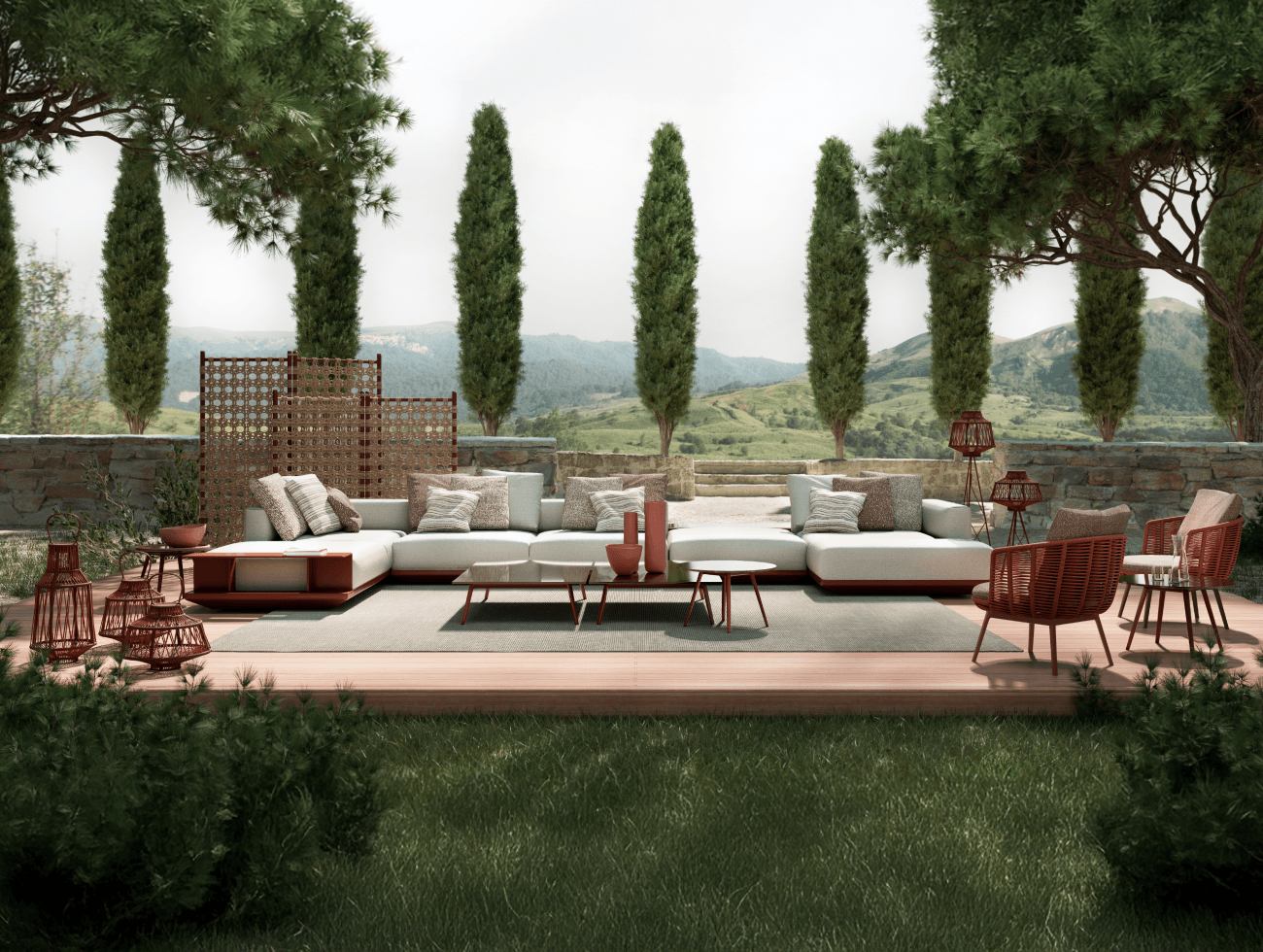
Nature, perception and comfort converge in Rayle, the new collection designed for Talenti. A conversation with Ludovica Serafini and Roberto Palomba on how design is redefining the way we inhabit space.
Off the coast of Railay Beach in Thailand, monumental limestone formations appear to hover above the sea. Rayle, the new collection by Palomba Serafini Associati for Talenti, takes shape from this apparent defiance of gravity. A landscape that becomes the starting point for exploring the subtle balance between presence and suspension, weight and lightness.
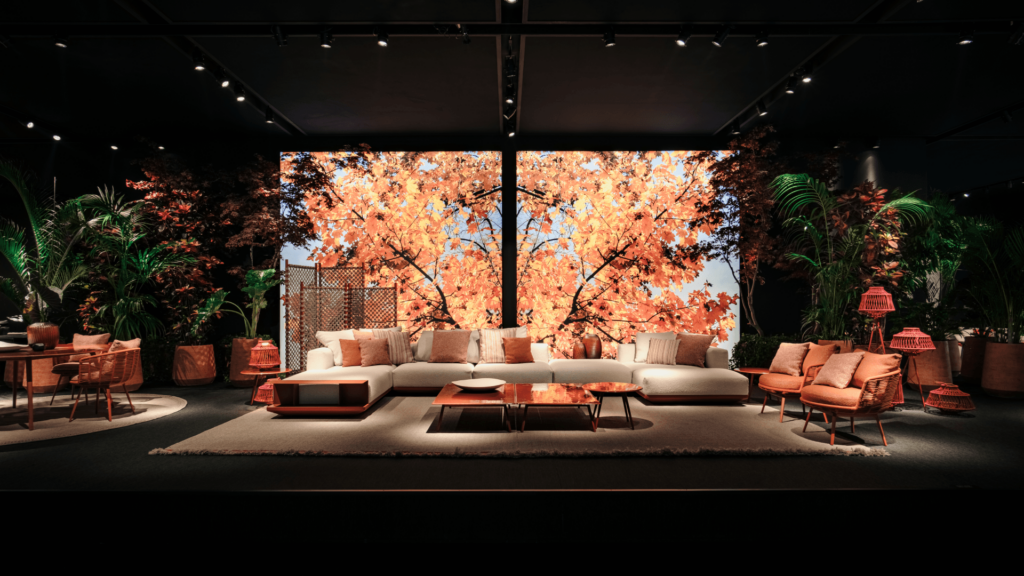
Outdoor design is often treated as a discipline separate from interior design. For Ludovica Serafini and Roberto Palomba, however, the distinction no longer holds. Gardens, terraces and hospitality spaces have become part of a broader transformation in the way we live, experienced with the same intensity, complexity and design quality as interiors.
“Design does not always follow a way of life. A good designer is able to listen to society’s needs, while anticipating its desires and the way people will live”, says Roberto Palomba.
For the Milan-based duo, outdoor living is therefore not the result of a market trend, but the consequence of a broader cultural shift. Ludovica Serafini approaches the subject from an architectural perspective:
“For an architect, indoor and outdoor spaces carry the same value. It is a distinction driven more by commercial logic than by genuine ways of living.”
It is within this reflection that Rayle takes shape. Its origin lies in a very specific landscape: Railay Beach, Thailand. Facing the shoreline, vast rock formations appear suspended above the sea. Yet it is not their shape that fascinated the designers, but the perceptual effect they create. Marine erosion has carved the stone into an oblique profile which, when viewed from the right angle, creates the illusion that these immense masses never actually touch the water.
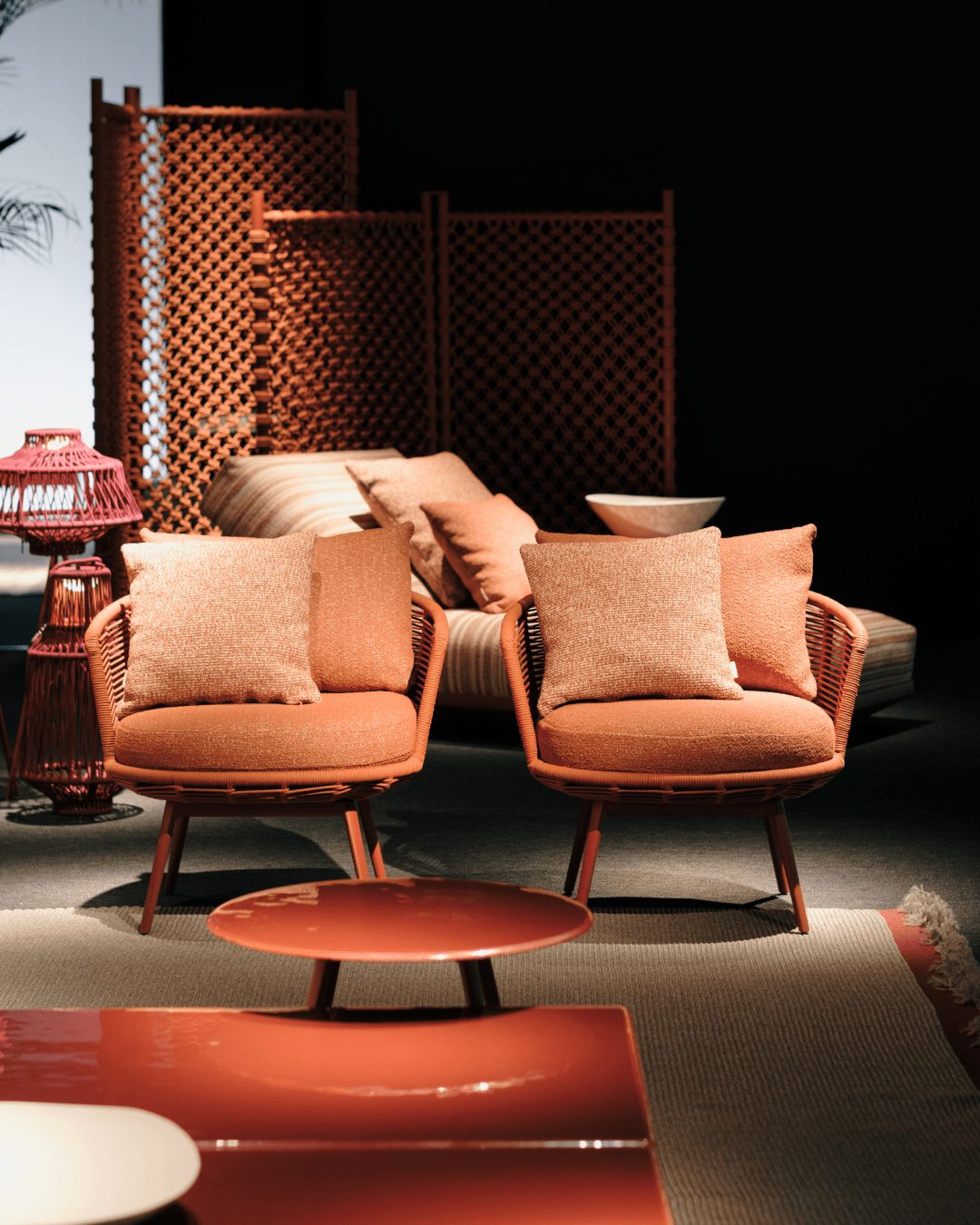
“When we observe nature, we copy the method, not necessarily the form,” explains Roberto Palomba.
Ludovica Serafini adds: “We reproduce the feeling, the emotion it gives us, and translate it into a product.”
In their work, nature is never a catalogue of forms to imitate, but a system of principles to interpret. The monumental rock formations of Railay become the starting point for an exploration of the balance between weight and lightness, presence and suspension.
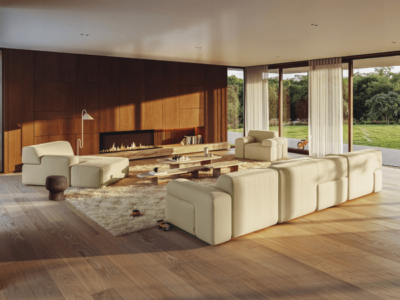
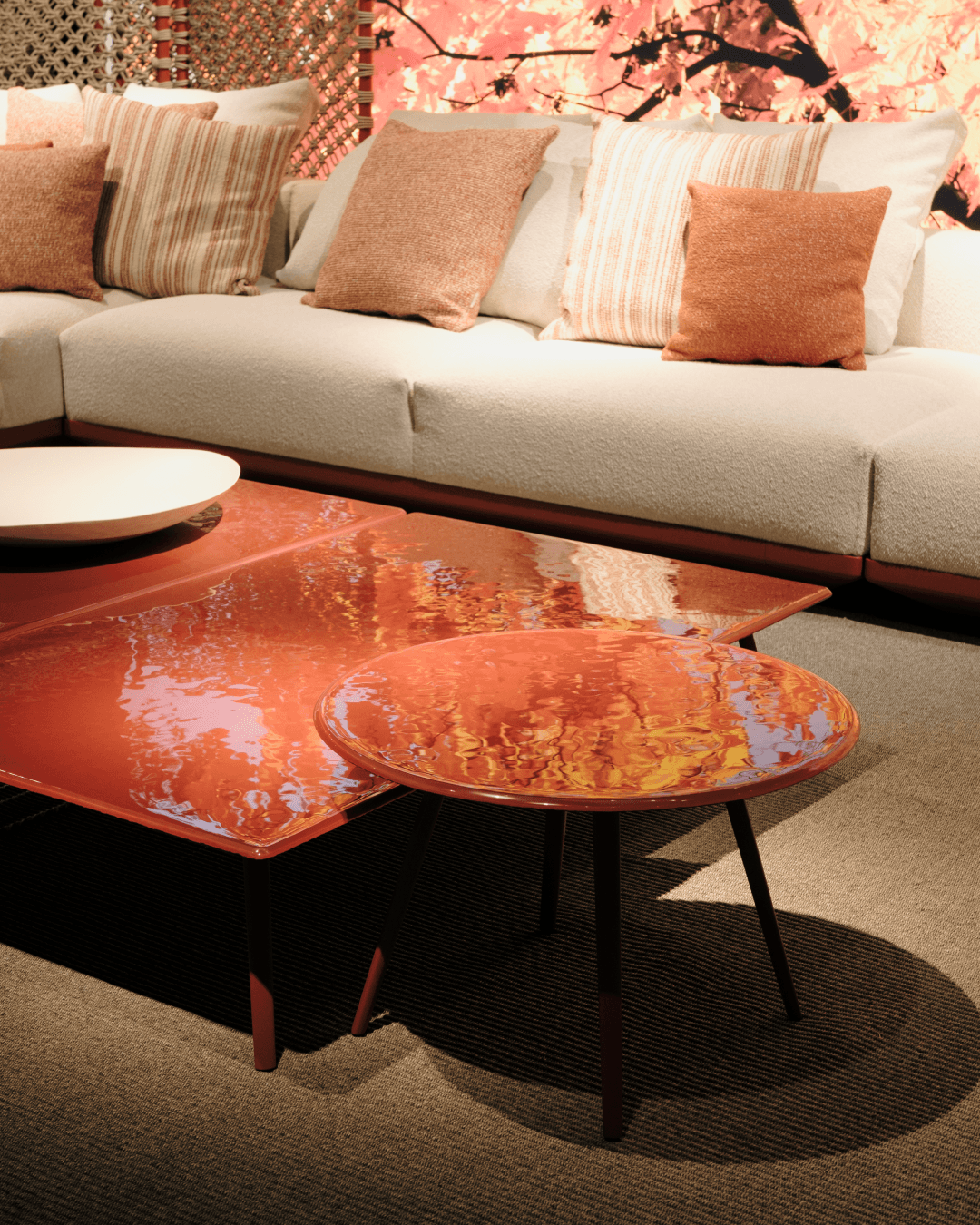
Rayle’s generous volumes appear to rest naturally on the ground, while its recessed base and soft forms create a striking sense of levitation. This perception of lightness is achieved through proportions, detailing and visual balance rather than through an actual reduction of material.
The collection also continues the design journey that Palomba Serafini Associati and Talenti have developed together over recent years, progressively redefining the very idea of outdoor living.
For the designers, a project is never limited to answering an existing need. It has the power to generate new habits, reshape behaviours and redefine the relationship between people and their environment. This philosophy emerges even more clearly when the conversation turns to comfort.
Long associated primarily with ergonomics, comfort now takes on a broader meaning. “Comfort is a system.”
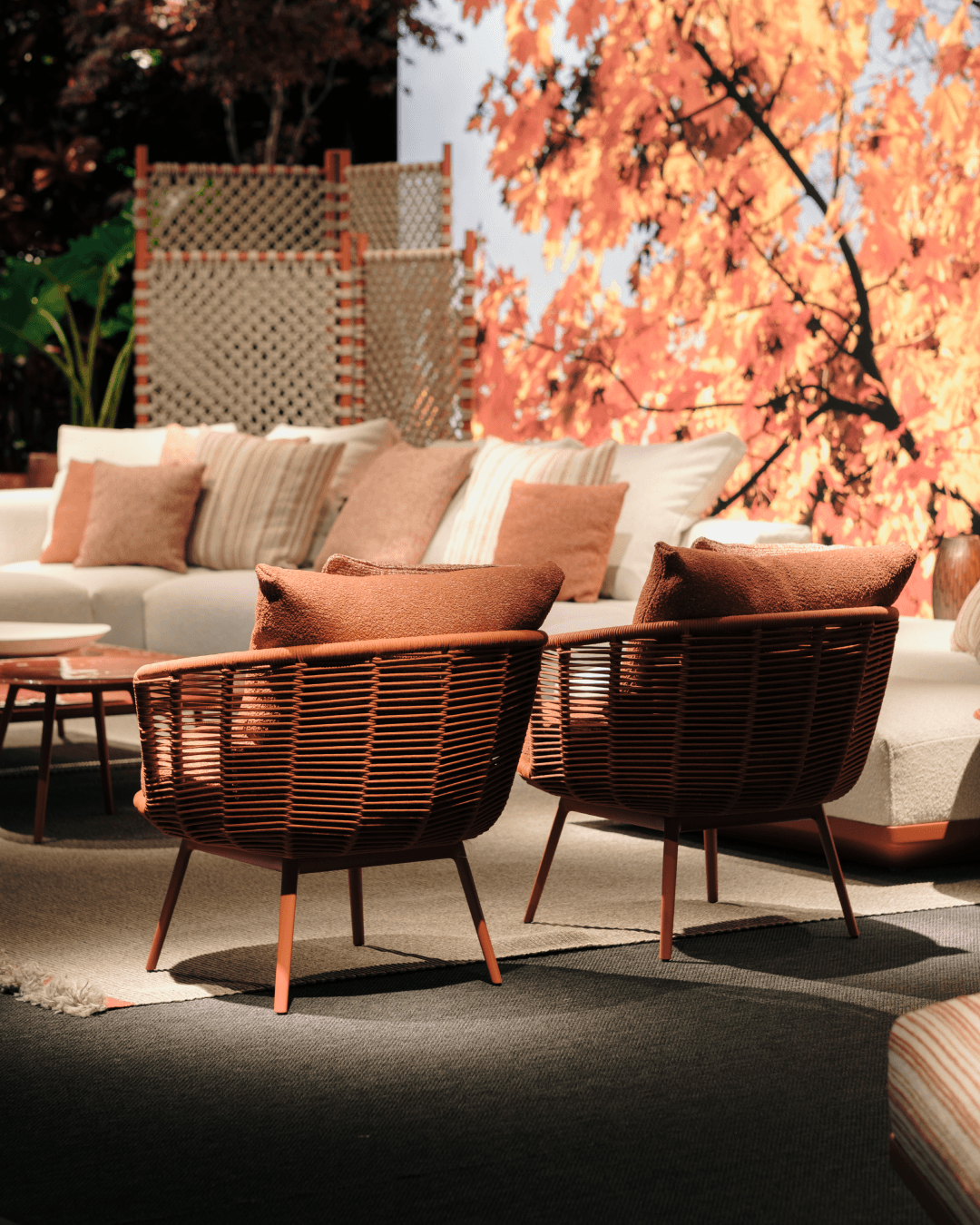
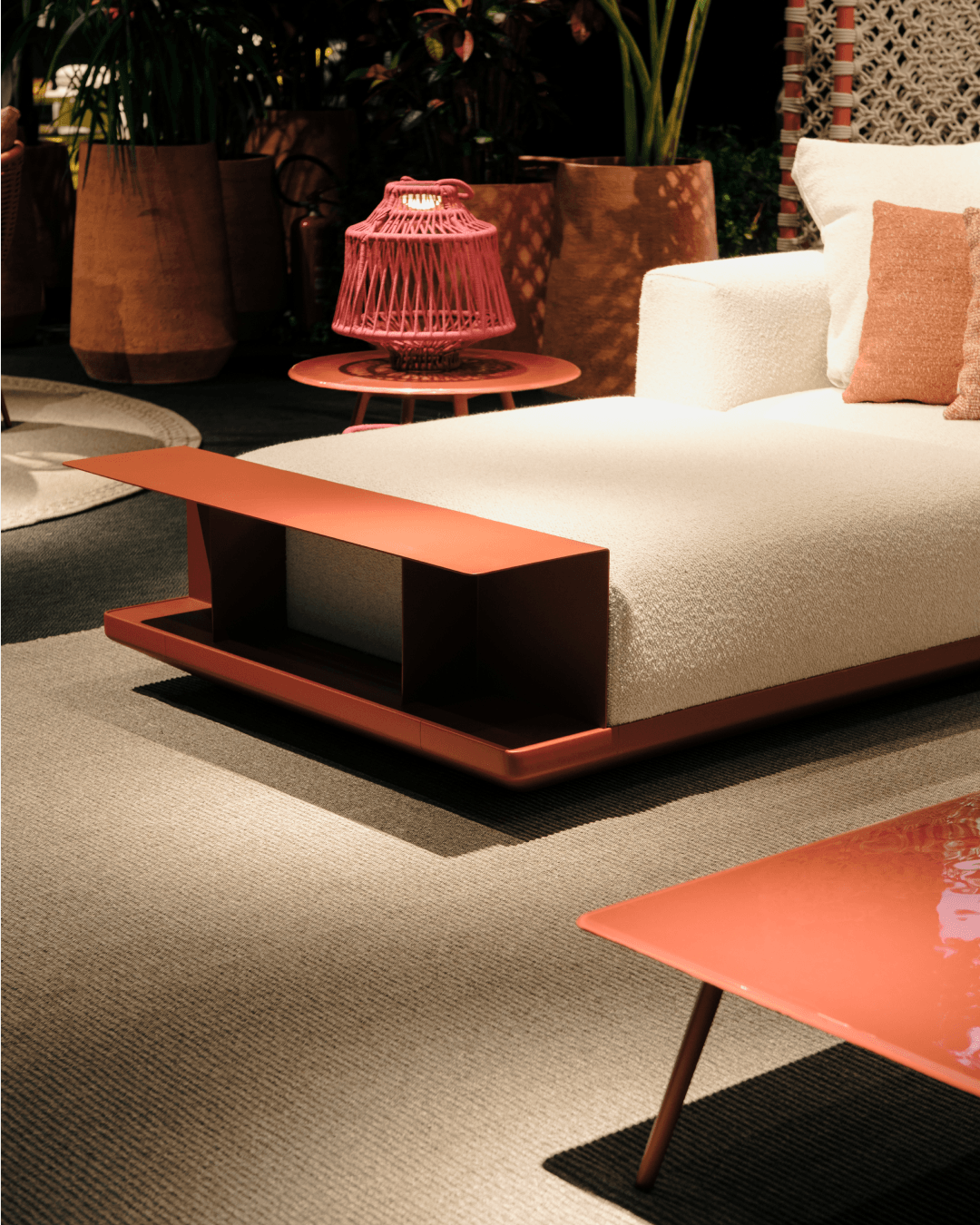
A definition that appears simple but reflects a far more complex vision. As Roberto Palomba explains:
“You can have an incredibly comfortable sofa in a space that isn’t comfortable, and comfort immediately diminishes.”
The quality of an experience depends not on a single object, but on the relationship between forms, materials, light, colours, proportions and atmosphere.
“You know that moment when you arrive home, or enter a place, and you instinctively sigh, ‘Ah…’ That’s comfort. It’s that feeling of relief created when shapes, spaces, colours, light, softness, solidity and materials all work together.”
The comfort of a seat, therefore, cannot be separated from the environment that surrounds it. In the same way, a successful space emerges from the balance between all its elements rather than from the simple sum of its parts.
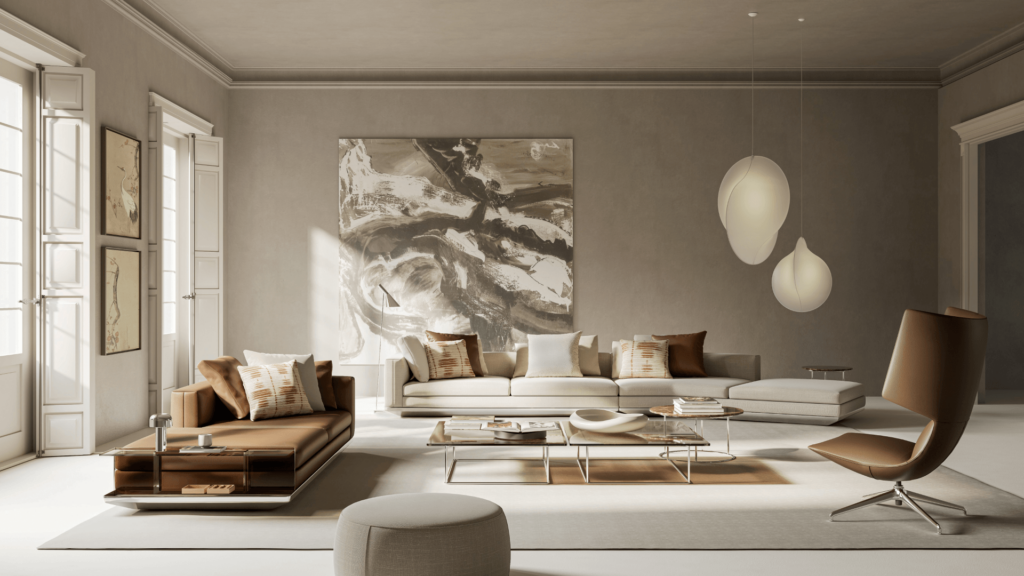
In Rayle, these reflections converge into a collection that moves beyond the traditional distinction between indoor and outdoor. Not only through its formal language, but through a vision of living in which architecture, furniture, landscape and perception become part of a single, cohesive experience. For Palomba and Serafini, design still means observing the present, imagining new possibilities and translating into space what nature has always taught us—not by copying its forms, but by understanding its method.
Related articles