

Discover our e-shop and access a digital catalogue of over 40.000 design products.
Go to shopSpring Days | Use the coupon code SPRING15 to get 15% off on purchases starting at 480€ and SPRING20 to get 20% off on purchases starting at 4800€
Discover our e-shop and access a digital catalogue of over 40.000 design products.
Go to shop22 December 2025
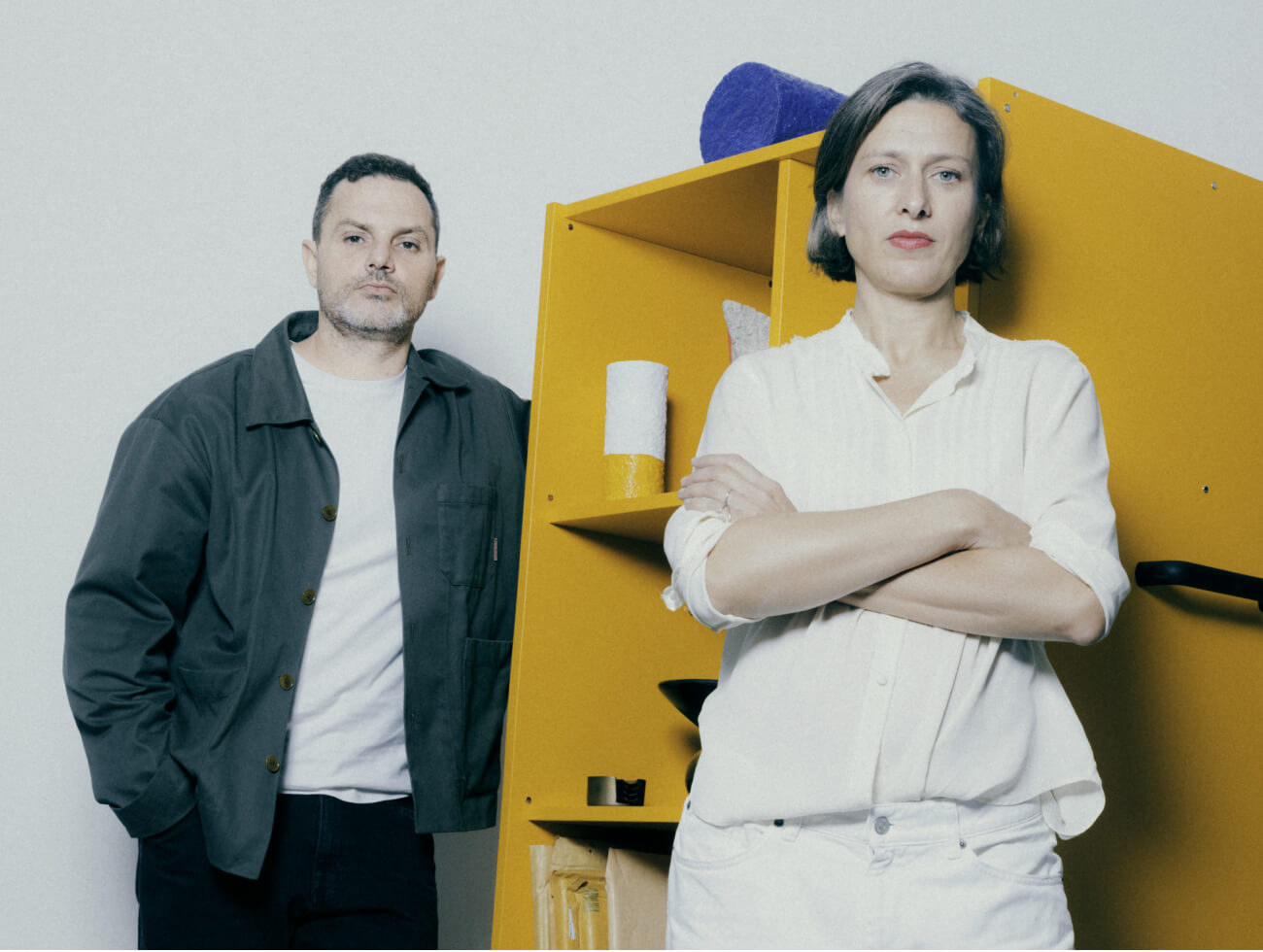
Enrica Cavarzan and Marco Zavagno, founders of Zaven Studio, share their latest projects and the need to fuel their work with independent research.
Zaven Studio, founded by Enrica Cavarzan and Marco Zavagno, continues to redefine the boundary between industrial design and independent research. From the Zaza sofa for Zanotta to their ceramic experiments for Bitossi and Cedit, their practice oscillates between production rigor and laboratory freedom, maintaining a language that evolves through materials, testing, and daily intuition.
In this conversation, Zaven explains how collection extensions are born, what happens behind collaborations with companies, and why experimentation remains the most authentic driving force behind their work.
After the first Zaza sofa was presented in 2022, how has the collection evolved with Zanotta?
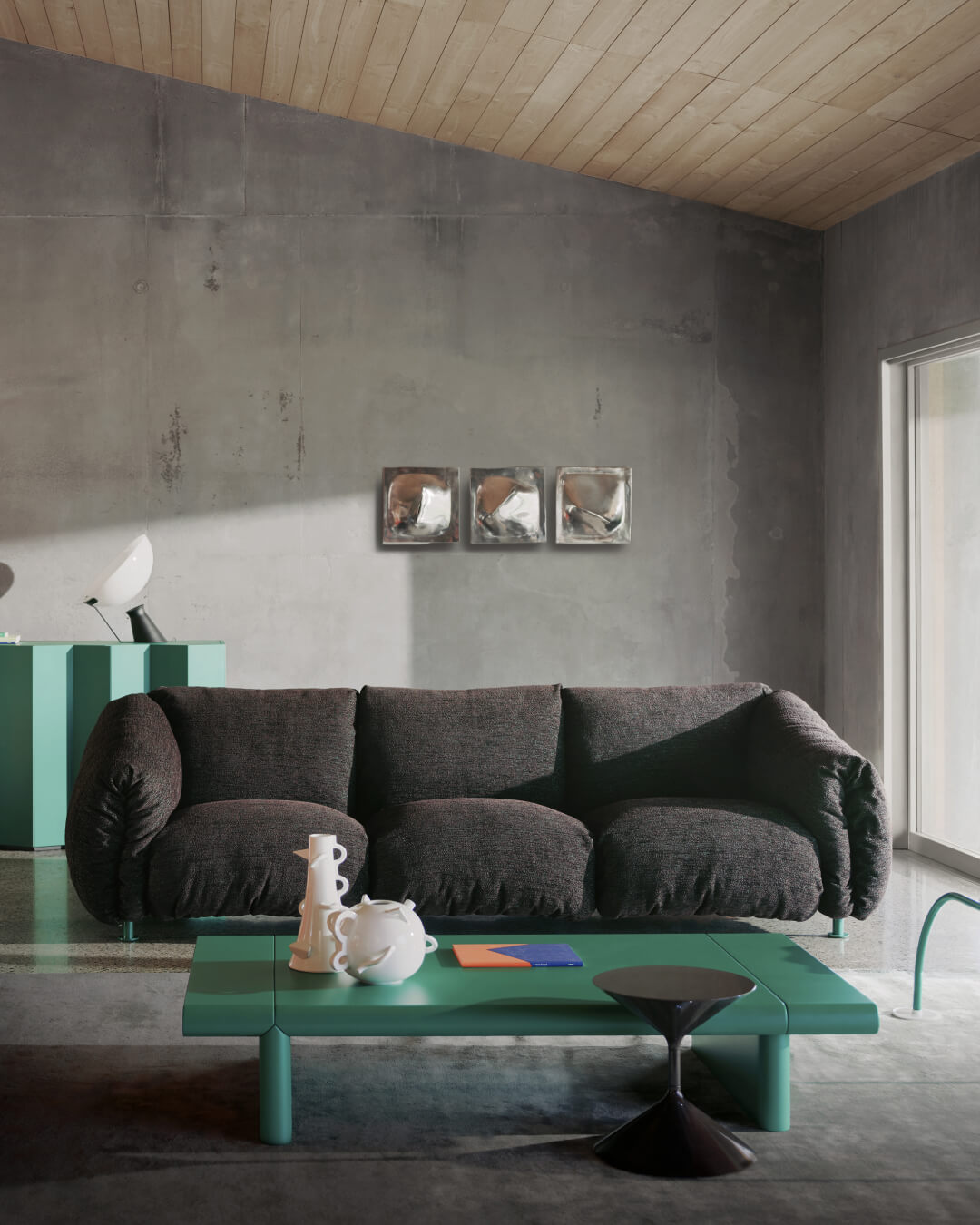
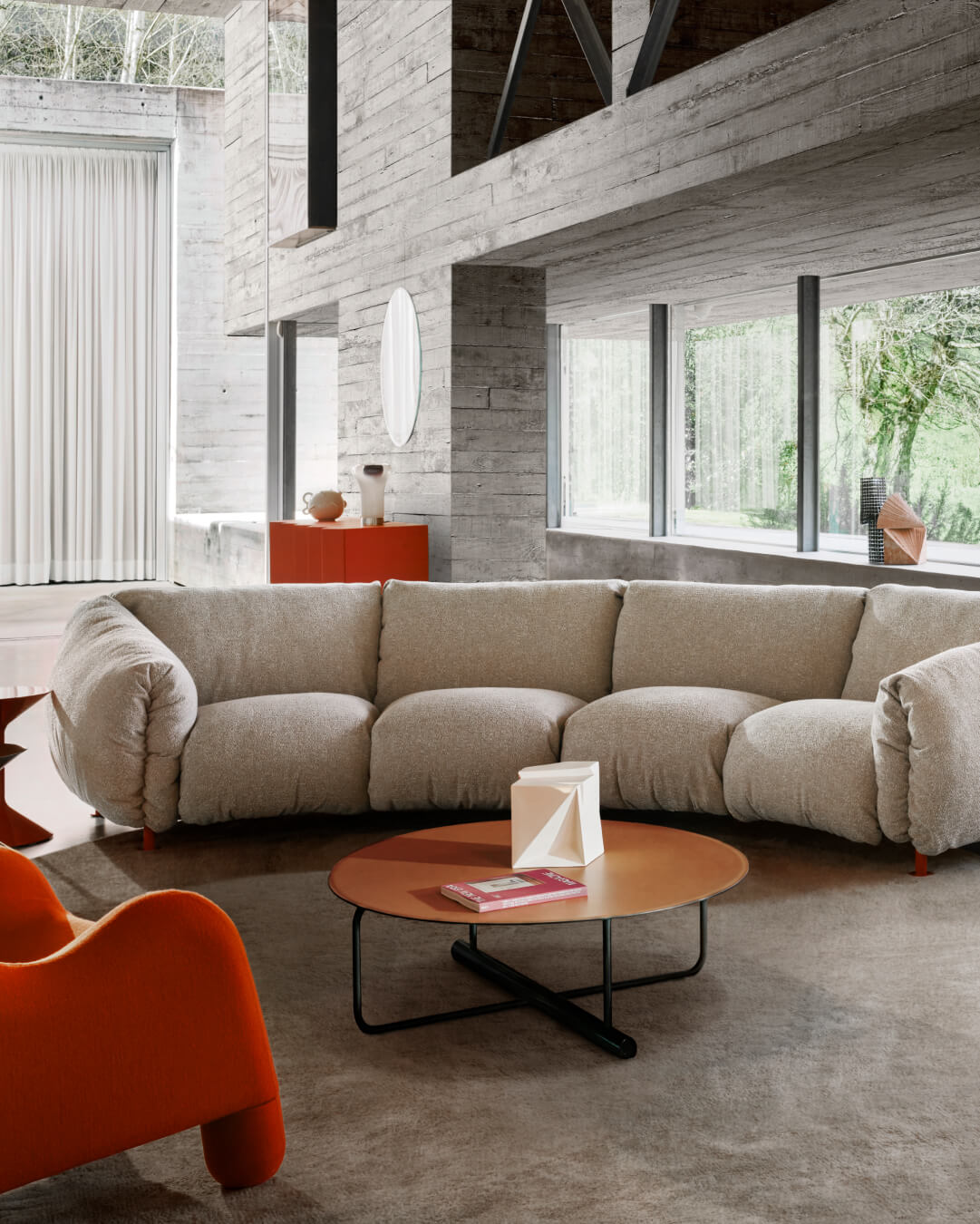
After the debut of Zaza, the response from the public and the company led us to imagine a larger family. This is how Zaza Max was born, a lower and deeper version, designed for a different level of comfort and larger spaces. We introduced semi-curved and more structured variants while maintaining the idea of a monoblock suspended on straps. Added to this were poufs and finally the bed, which echoes the language of “dressed” cushions but is adapted to a structure designed for a mattress. The logic remains the same: enveloping softness, a comfort you can feel before even using it.


The theme of the product family also recurs in the Bol project for Zanotta. Where does the extension come from?
The idea of how the table legs meet and interpenetrate has generated new possibilities: low tables and ceramic vases that exploit the same principle of interlocking cylinders. When a design works, it can become a small vocabulary.
For SCAB, you worked on Koala, a contract seat. What was the main brief?
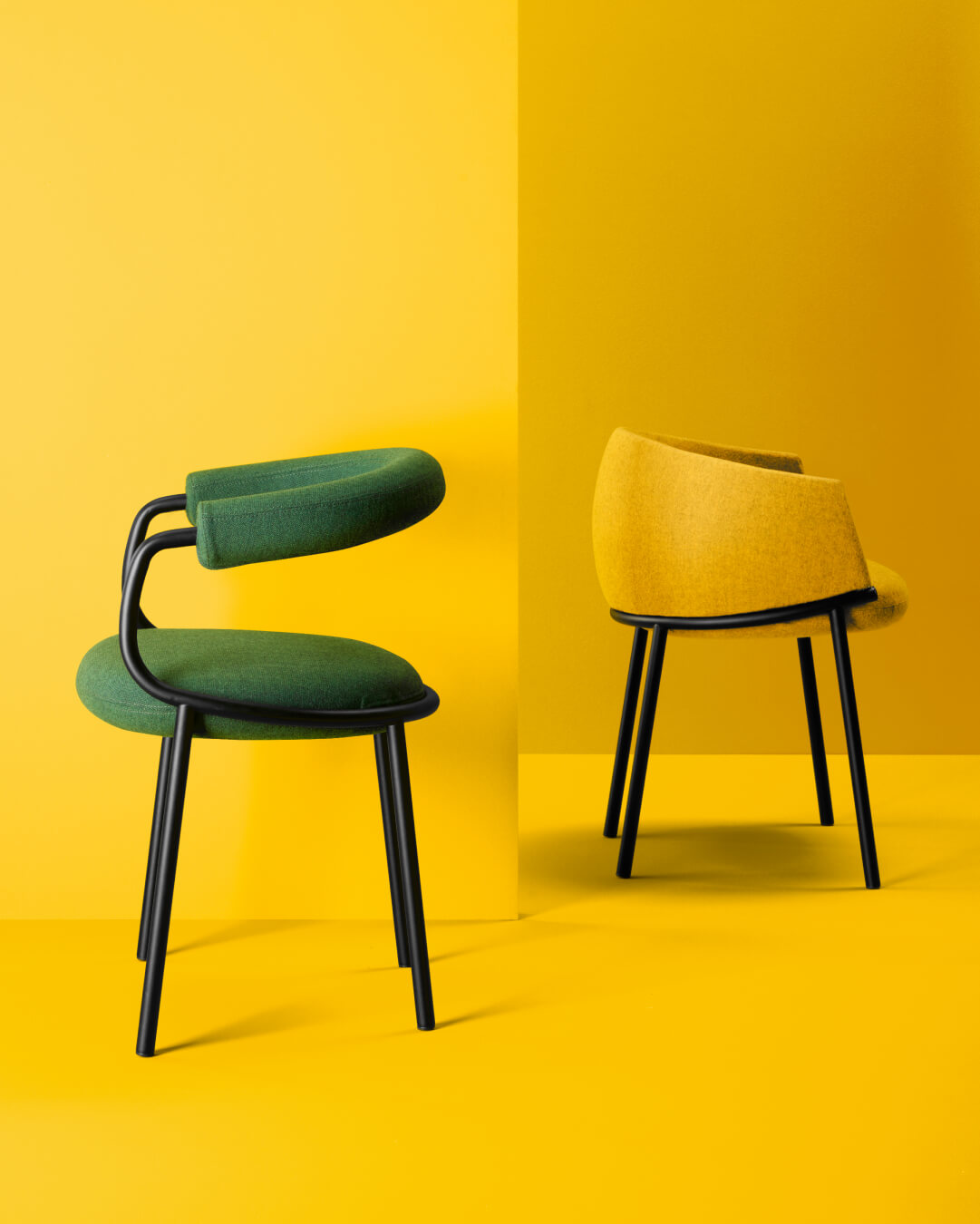
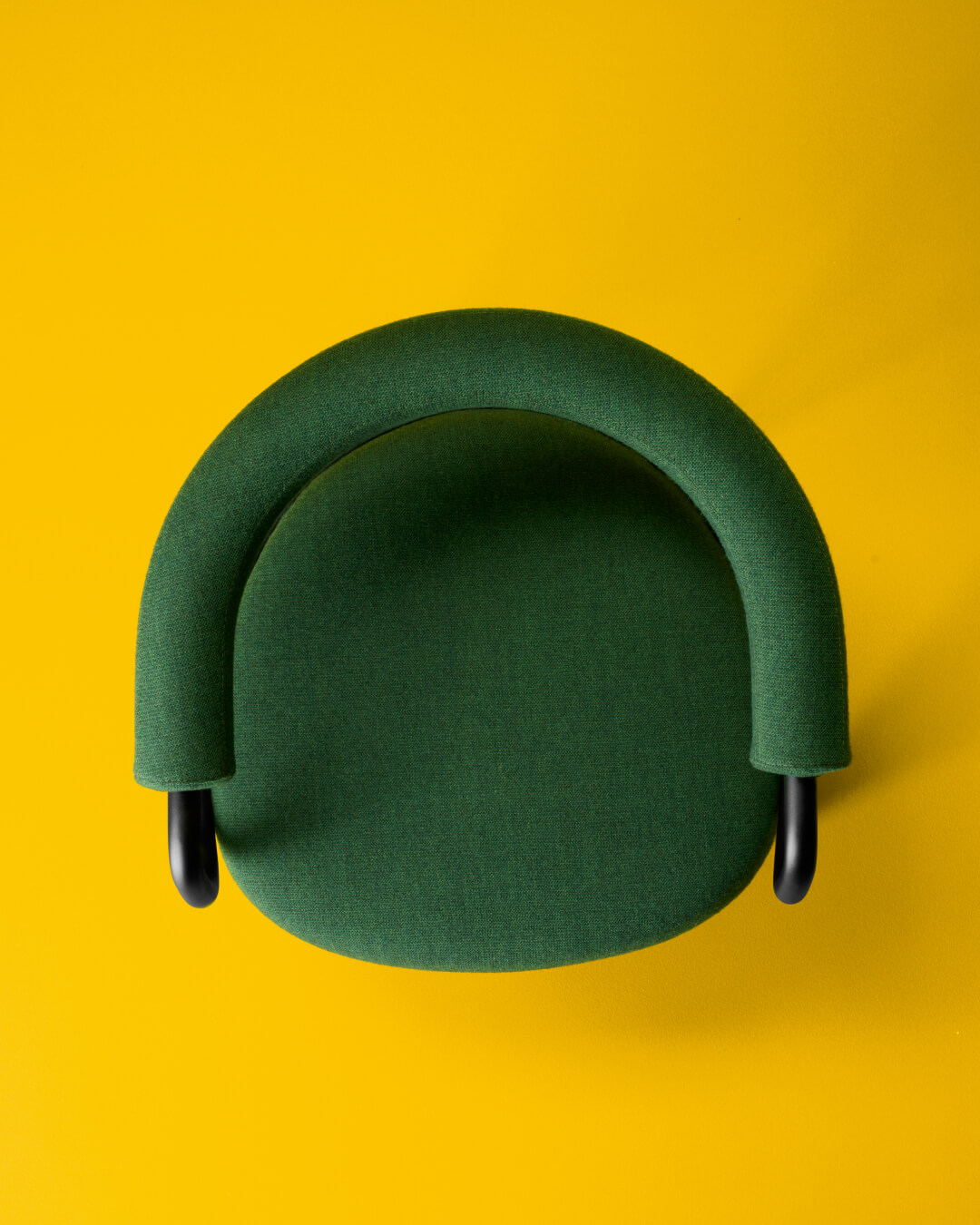
We were asked to develop a compact, comfortable upholstered armchair suitable for contract spaces. This resulted in two versions: a closed one, almost bourgeois in its restrained form, and an open one, where the metal ring rises to form the armrest, covered with a soft sleeve. A fresher, lighter approach, tailored to the needs of their market.
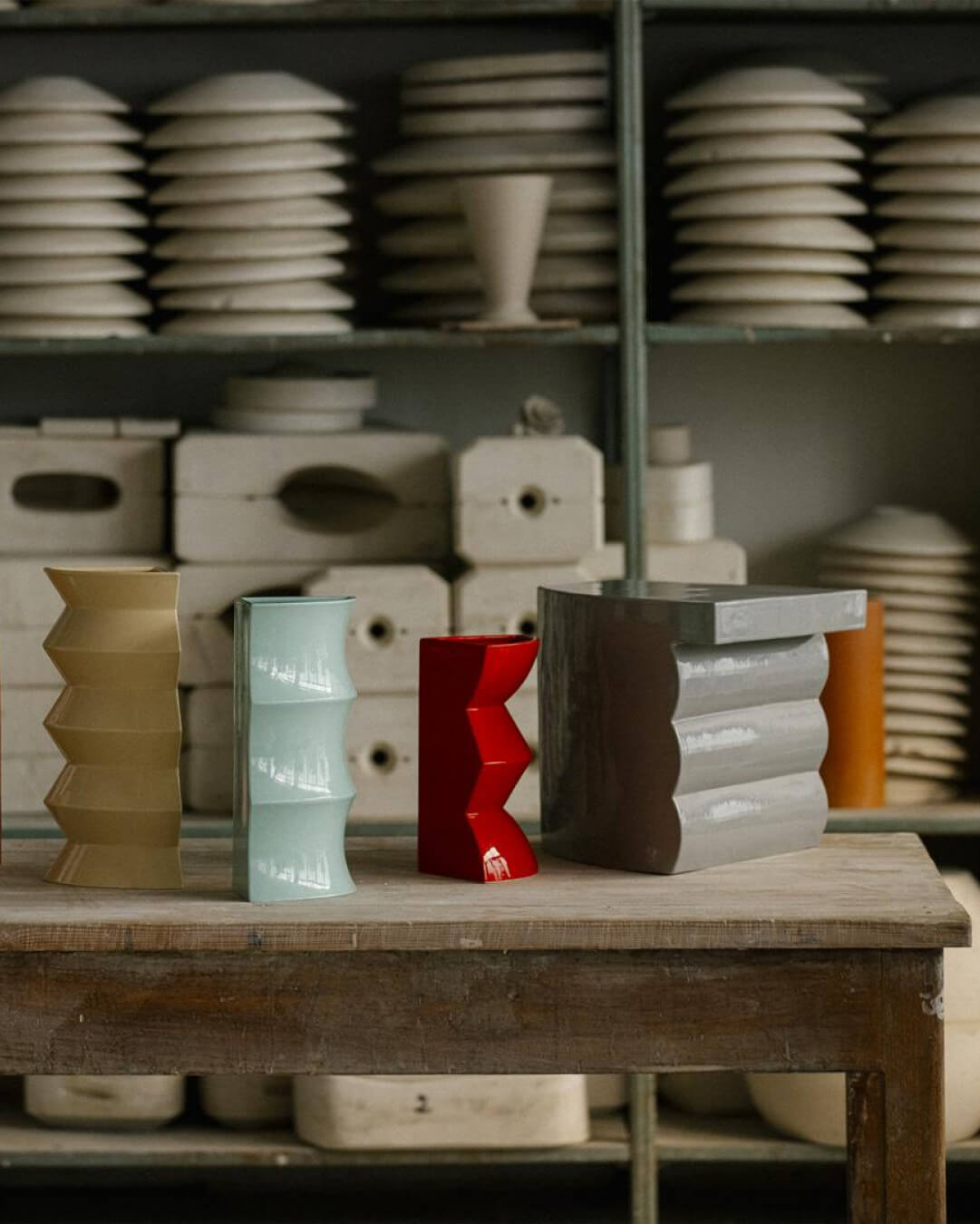
The project for Bitossi led you to work with ceramic for the Curve vases and Isola tables. Was this new territory?
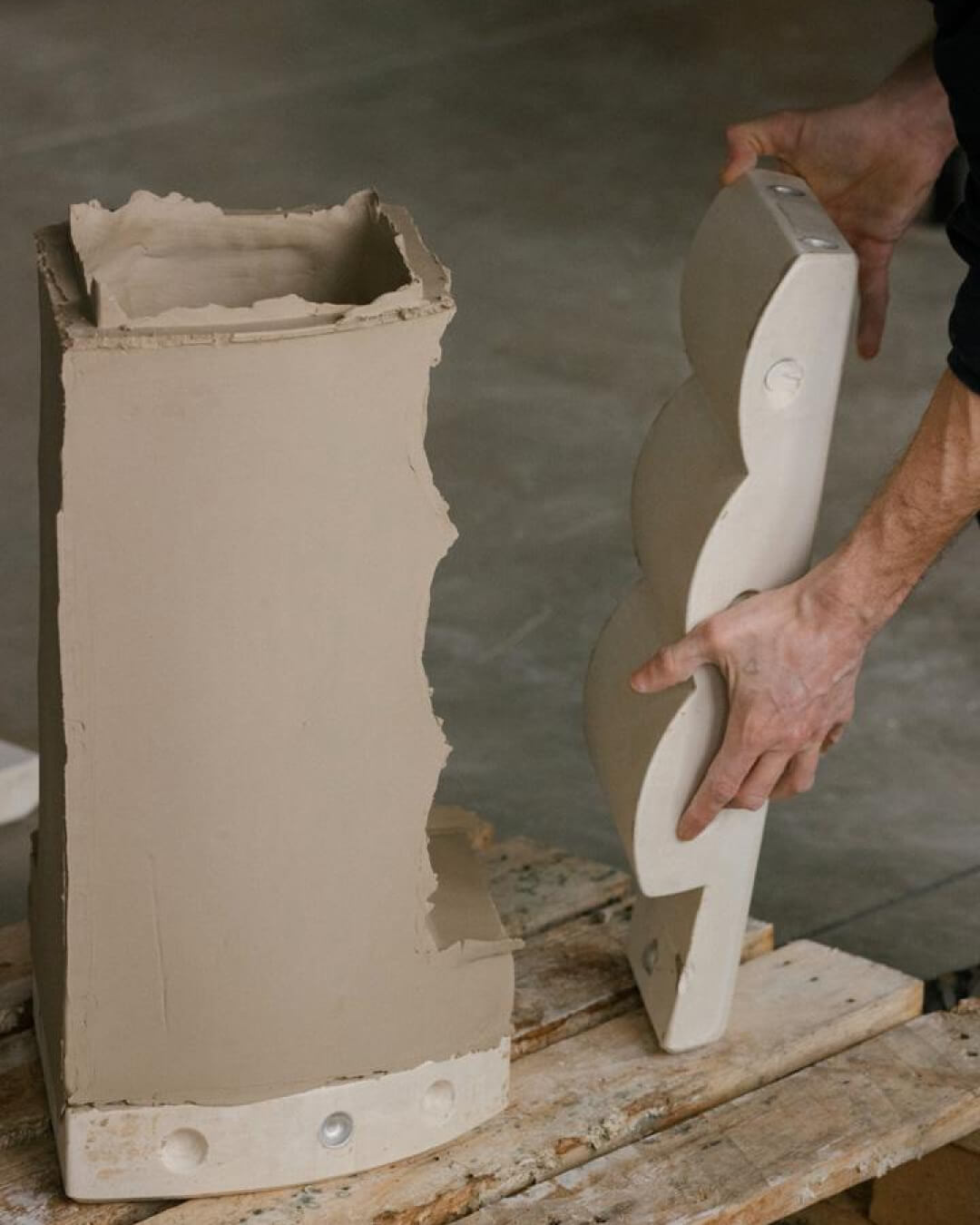
We were already familiar with ceramics, but each company has its own “touch.” The vases arrived quickly, while the tables required extensive testing: millimeters of variation in angle could mean the difference between an intact piece and one that cracked after firing. Ceramic is alive; it moves; it requires patience.
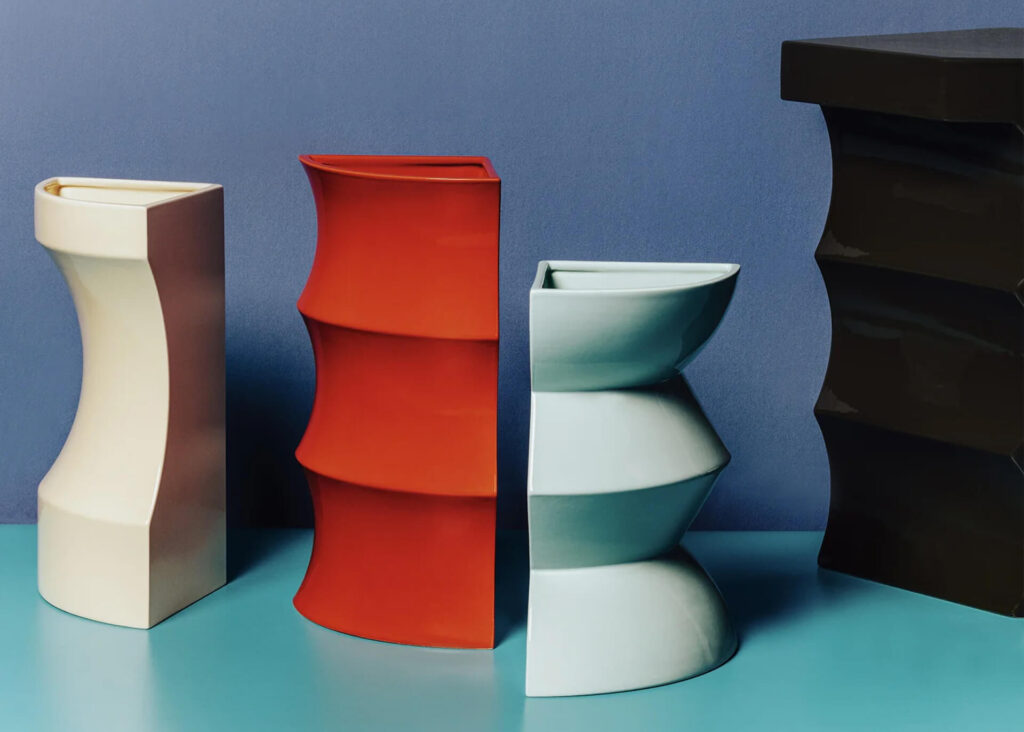
You also reinterpreted ceramic for Cedit, this time in a three-dimensional way for vertical surfaces. How did the project develop?
It began with a piece we presented at the London Design Festival. Cedit asked us to transform it into an industrial collection: we redesigned the shapes and colors, adapting the idea to press production. Three models, six colors, and ceramic as an architectural surface, not just an object.
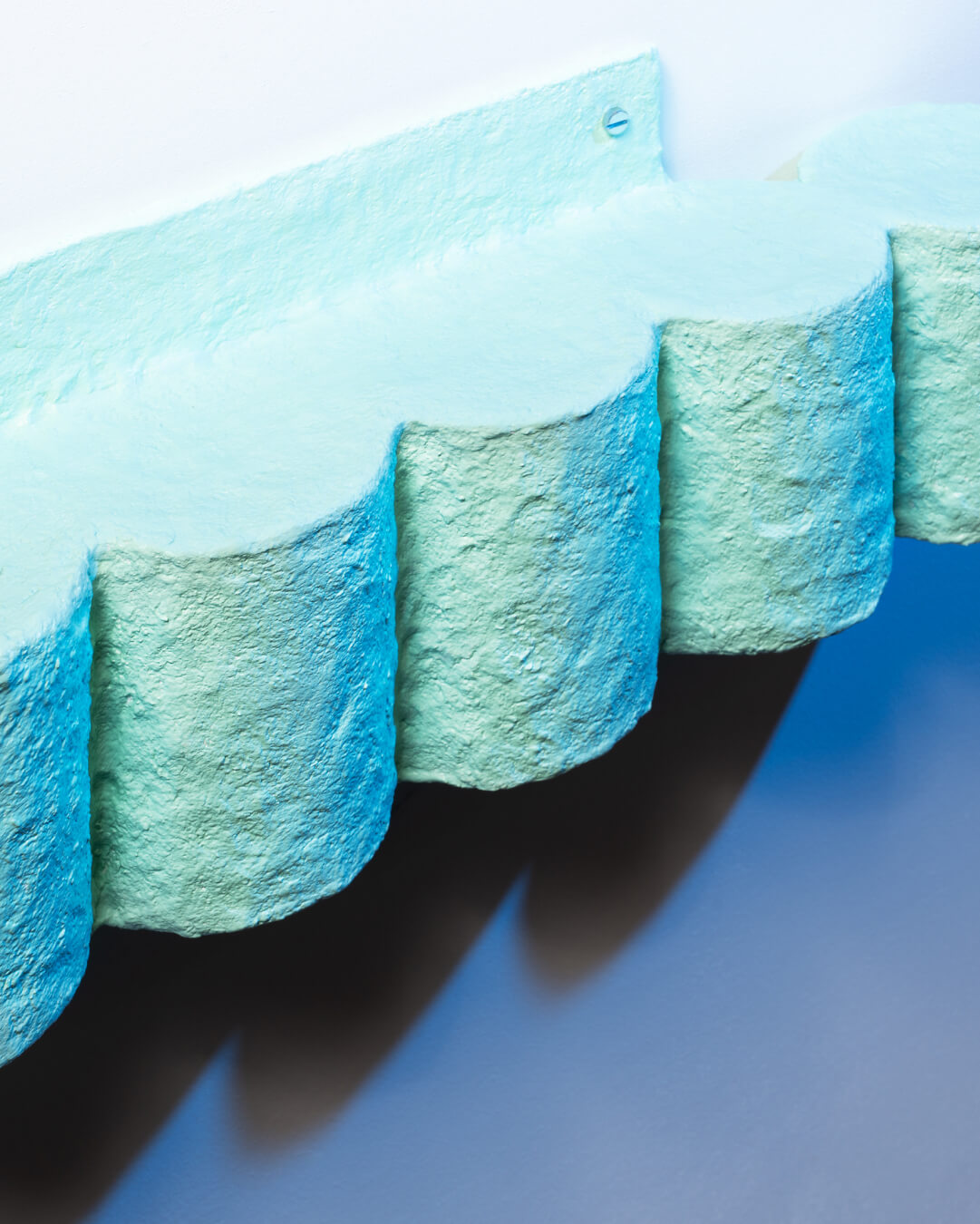
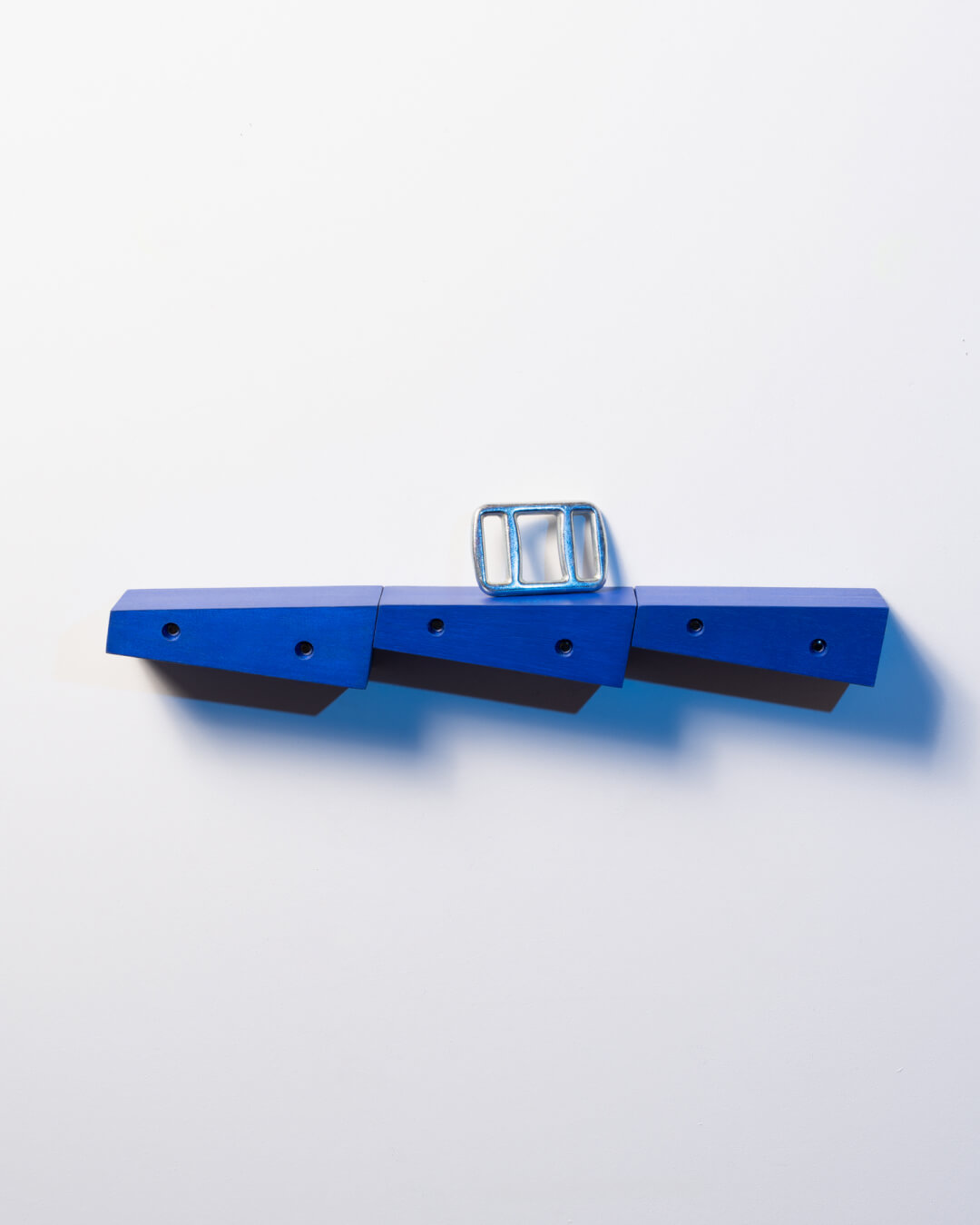
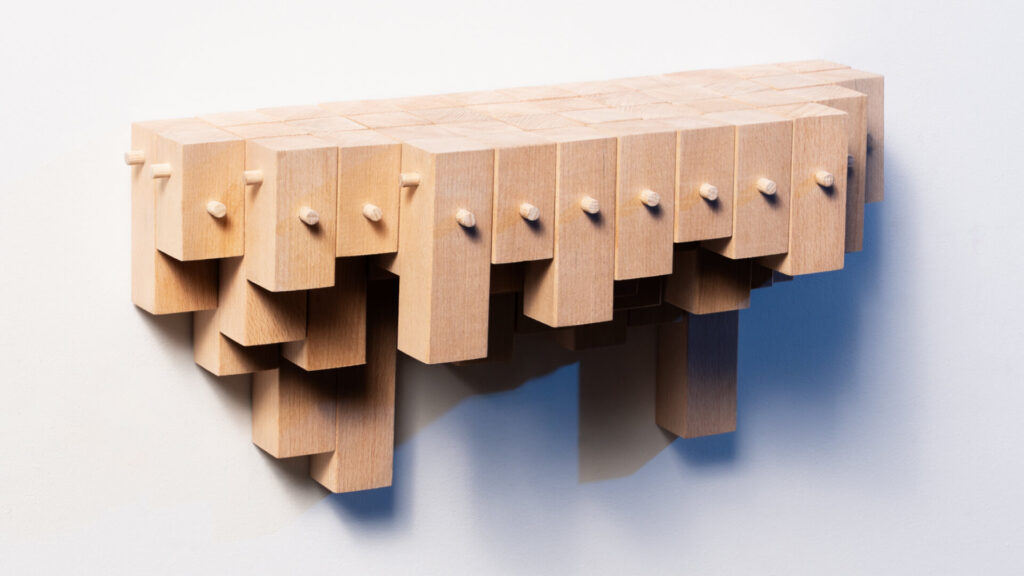
In your recent independent exhibition, Massimo Carico, you displayed 23 shelves. What is the need for these “free” projects?
They are moments of respite: opportunities to experiment without a brief. The shelves were born from the constraints of the exhibition space, which only allowed for wall-mounted elements. Each shelf is a different interpretation, influenced by industrial, artisanal, and artistic worlds. We learn so much here: materials that don’t work, ideas that transform, useful mistakes.
How important is it to carve out these moments of autonomy?
Fundamental. Experimentation is part of our identity. Touching, cutting, trying: these are gestures that recur in industrial projects. We don’t have much time to do so, because we work with companies constantly, but precisely for this reason, every opportunity becomes precious. And often, these explorations give rise to insights that companies then embrace, as happened with ZaZa for Zanotta.